A plain drill stalls in concrete, and a cutting disc used on its side can break. This guide to construction power tools and their uses is for foremen, site engineers and first-time buyers or hirers who must name the tool class and its accessory before the work starts. Compaction equipment is covered in plate compactor, rammer or roller.
Construction power tools and their uses: which tool for which job?
Find your task in the table, then read the section for that row. The sections explain the differences people get wrong.
| Task | Tool class | Accessory that matters | Safety point |
|---|---|---|---|
| Hole in wood or metal | Plain drill | Bit made for that material | Clamp small work; do not hold it by hand |
| Hole in block, brick or light concrete | Hammer drill | Masonry bit | Dust mask and eye protection |
| Hole in concrete, or light chipping | Rotary hammer (SDS) | SDS-plus or SDS-max bit | Side handle fitted; hearing protection |
| Breaking concrete, block or brick | Demolition hammer (breaker) | Chisel or point for the material | Limit time on the tool; vibration |
| Cutting steel, tile or masonry | Angle grinder | Cutting disc or blade made for that material, of the right size and rating | Guard fitted; sparks away from fuel |
| Smoothing or removing metal | Angle grinder | Grinding disc, not a cutting disc | Never exceed the disc's rated speed |
| Joining steel | Welding machine | Correct electrodes or wire and gas | Welding helmet, gloves; check the power supply |
Drilling: drill, hammer drill or rotary hammer (SDS)?
These three look similar but work differently.
- A plain drill only rotates. It is for wood and metal.
- A hammer drill adds a mechanical hammering action. It is lighter and suits masonry and light concrete.
- A rotary hammer makes its hammering with a piston mechanism. It suits drilling and chipping in concrete.
The common mistake is using a hammer drill for repeated holes in concrete. It is usually slow, the bit wears quickly and the operator pushes harder, which tires the arms. Move to a rotary hammer when the holes are many, deep or in dense concrete.
Before drilling or breaking, find out what is inside the element: reinforcement, cables and pipes. Holes in structural members may need the engineer's approval, so confirm with the site engineer first. The scan and approval checks are in core drilling versus breaking concrete openings.
Rotary hammers take SDS bits. SDS-plus is for lighter machines and smaller holes. SDS-max is for heavier machines. A bit only fits the matching chuck, so confirm the system when you order, and order the bits with the tool.
Tip. If a hole is large enough that a hammer drill or rotary hammer struggles, the job may need a different method: core drilling or sawing.
Chipping and breaking: when is a demolition hammer the right tool?
A demolition hammer, also called a breaker, is for chipping and breaking concrete, brick and block. It is the step up from a rotary hammer when you are removing material, not making a hole.
Larger classes weigh more and break more. They also cost the operator more in fatigue and vibration exposure. A heavier breaker is not automatically better: pick the smallest class that does the work in a reasonable time.
Ask the supplier:
- Which chisel or point is supplied, and is a spare included?
- What does the machine weigh, and can one person hold it at the working angle?
- Does it need a generator or a compressor, and of what size?
For large areas or floors, a machine mounted on an excavator may be more sensible. The excavator attachments guide covers that choice. Rotate operators and take breaks; vibration builds up over a shift.
Cutting and grinding: how do you use an angle grinder safely and choose its discs?
The angle grinder is the most used and most misused tool on site. Three rules cover most of the risk.
- Size and speed. The disc must match the grinder's size. Its rated speed must be at least the grinder's maximum speed. Both are marked on the disc.
- Cut versus grind. A thin cutting disc is made to cut along its edge. Using its flat side to grind can shatter it. For grinding, use a grinding disc made for that purpose. Read the label on the disc before fitting it, because the two can look alike.
- Guard stays on. Never remove the guard because it is awkward. Choose a smaller grinder or a different position instead.
Check the disc for cracks or damage before fitting it, and let a new disc run at full speed for a moment while you stand to one side. Use two hands, keep sparks away from fuel, cables and gas cylinders, and wear a face shield as well as safety glasses.
Watch out. Never use a disc that has been dropped, wet or stored badly. Replace it.
Welding on site: which type of welding machine and what power does it need?
Three processes are common on site:
| Process | Strength | Watch out for |
|---|---|---|
| Stick (MMA) | Most tolerant of wind and rough conditions outdoors | Slag to chip off; electrode storage |
| MIG/MAG | Cleaner, faster work | Normally uses shielding gas, so wind disturbs it |
| TIG | Clean, precise welds | Needs the most control of the environment |
For general outdoor repairs in dusty or windy locations, stick is usually the practical choice. MIG and TIG suit cleaner conditions, such as a workshop or a screened area. Structural welds need a qualified welder and an approved procedure, so confirm the requirement with the engineer or site owner.
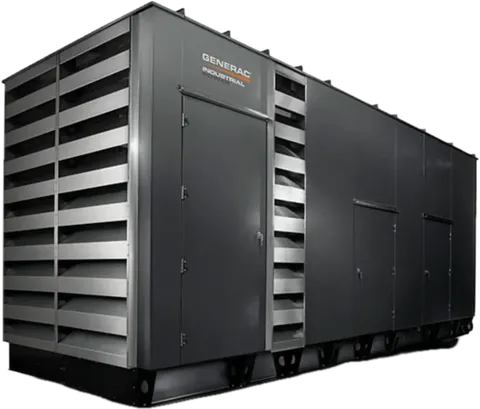
A welding machine draws a lot of power. If it runs on a generator, its requirement must be within the generator's rating. Read the machine's data plate, then follow the steps in how to size a generator. Wear a welding helmet, gloves and flame-resistant clothing, and keep other people out of the arc light. Many sites require a hot-work permit and fire precautions, and gas cylinders must be kept upright and secured. Confirm the site owner's rules before starting.
Running tools on a generator: what to check about power and cables
Many tool problems on site are really power problems.
- Add up the tools that run together, not just one.
- Motors and welders draw more when they start or strike.
- A cable that is too long or too thin drops voltage and overheats. The tool runs hot and weak.
- Use cables rated for the tool and for outdoor site use. Uncoil a cable reel fully, because a coiled cable heats up.
- Use earth-leakage protection (an RCD) on the supply.
- Cordless tools avoid cable and generator problems, but their battery chargers still need a supply.
Air-powered tools follow a similar rule: the compressor must keep up with all the tools connected. See air compressor sizing. Before each shift, look over cables and tools using the daily walk-around inspection approach.
Dust and noise: what protection does each task need?
Cutting, drilling or chipping concrete, block and tile produces fine dust that is harmful to breathe. Control it at the source, then protect the person.
| Task | Control the dust | Wear |
|---|---|---|
| Drilling concrete | Dust extraction on the tool | Mask, eye and hearing protection |
| Breaking and chipping | Water suppression or extraction, where the tool allows | Mask, eye and hearing protection, gloves |
| Cutting masonry or tile | Water feed or extraction | Mask, face shield, hearing protection |
| Grinding metal | Keep sparks clear | Eye and face protection, gloves |
Use water suppression or dust extraction, and a respirator suitable for the dust: a basic paper mask is not enough for concrete dust, so confirm the rating with the site safety officer. Hearing and eye protection are needed for almost every task here. In summer heat, plan breaks and drinking water, because masks and protective gear raise heat stress. Site rules differ, so follow your site owner's and insurer's requirements.
How to do this on Maedah
Tools like these sit under light equipment and tools, including drills and welding machines. You can browse them as a guest.
To get quotes, post a request with the tools, quantities, city, site and dates. Say the material and job: "drill holes in concrete" tells the supplier to offer a rotary hammer, not a plain drill. State the power available, and whether you want bits, discs and cables included. Quotes are sealed and appear side by side, so you can compare what each includes. Agree price and payment with the supplier directly.