Safety, Inspection & Maintenance
Equipment Daily Walk-Around Inspection and Defect Report
Check the ground, the outside, the fluids and then the cab in the same order every shift. Sort each defect as stop, report today or note for service.
Most breakdowns and incidents begin with a skipped check. This topic covers the daily pre-start inspection, what operator competence means, how heat and dust affect engines, filters and tyres, and why maintenance records matter. It also explains a proper handover when equipment arrives and when it leaves. Start with the daily check guide, and ask the supplier for current inspection certificates. Requirements differ by project, site owner and insurer, so confirm them before the machine is mobilised.
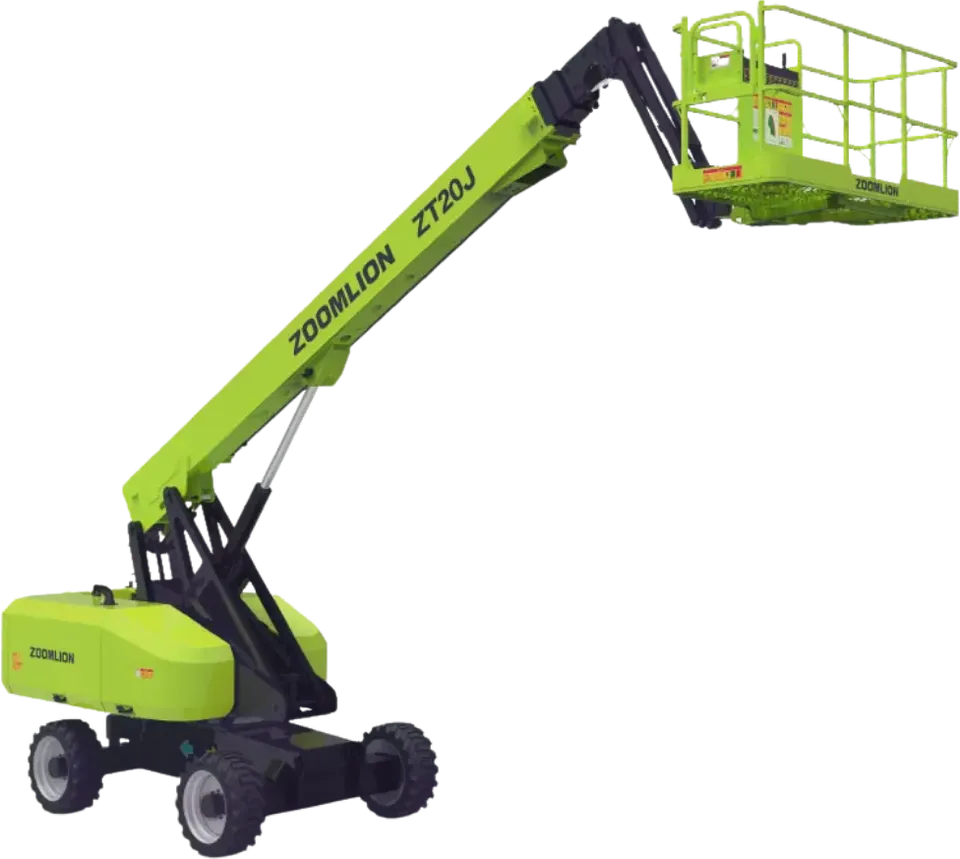
Check the ground, the outside, the fluids and then the cab in the same order every shift. Sort each defect as stop, report today or note for service.
Record the same items and photo angles when a rented machine arrives and when it goes back, so any change between the two is easy to see and agree.
Check three things: the papers, the answers to practical questions, and the first hour of real work. A certificate shows past training; only the work shows skill today.
Heat and dust reach a machine by three paths: the air intake, the cooling package and the moving parts. Check each daily, and stop when a temperature warning shows.
Keep people out of the area a machine can reach or the operator cannot see, and give every blind manoeuvre one trained banksman. Mark the zones and brief the crew.
After a rented equipment breakdown, make the machine and area safe, record the fault, report it to the supplier in writing, and only then decide the next step.
Settle four risks in writing before the machine arrives: the machine, other people's property, injury to people, and transport. Ask for the certificate, not a promise.
Read a certificate line by line: does it match this machine, is it in date, does its capacity cover your lift, and does it list conditions? A mismatch means stop and ask.
Browse equipment for rent and sale, or post one request and compare written quotes from suppliers.