This equipment daily walk-around inspection is for operators, site supervisors and small contractors with a machine on site, owned or rented. You need to know what to look at, what to do about it and what to write down. The same order works as a base for an excavator, a loader, a truck, a lifting machine or a generator.
Why does every machine need a walk-around before the first shift?
A machine changes between shifts. A hose rubs on a bracket, a pin works loose, a seal starts to weep. Many failures give a warning first: a drip, a noise, a loose guard, a warning light.
The walk-around catches that warning while the machine is still stopped. It also gives you a record: a dated note shows whether a later fault was there at the start of the shift.
Checking in a different order each day is the common mistake: a point gets missed. A fixed order makes it a quick habit.
What do you check on the ground around and under the machine?
Before you go near the working parts, park on firm ground with the attachment lowered to the ground, the engine off, the parking brake on and the key out. Never put any part of your body under a raised boom, bucket or load.
Then check the ground and surroundings before you touch the machine:
- Is the area clear of people, vehicles, loose material and open trenches?
- Is the ground firm and level where the machine will stand and travel?
- Are there overhead lines, pipes or low structures in its path?
- Are there fresh drips or wet patches under the machine?
Look on the ground for oil, coolant, hydraulic oil and fuel. A wet patch is probably a fresh leak, but an old dry stain can mean a leak too. If you cannot tell where it comes from, report it.
Then walk around the outside. Check tyres or tracks and the undercarriage, pins, bushes, and the fixings of the bucket or attachment. Check steps, handrails and cab glass, and that every guard and cover is fitted.
Which fluids, filters and leaks should you look at with the engine off?
Open the engine bay and check with the engine off and the machine level, in the position the manual gives for each fluid. Some machines need a set boom or attachment position for the hydraulic level:
| Check | What to look for |
|---|---|
| Engine oil | Level on the dipstick or sight glass |
| Coolant | Level in the reservoir, never open a hot cap |
| Hydraulic oil | Level in the tank or sight glass |
| Fuel | Enough for the shift, no wet fittings |
| Hoses and cables | Rubbing, cracks, bulges, wet fittings, loose clamps |
| Filters and breathers | Fitted, not visibly blocked with dust |
| Cylinder rods | Clean, no wet oil running down the rod |
Read the surface as well as the level. A wet hose, fitting or cylinder rod is a defect to report even when the level reads correct: a slow leak is the earliest sign of a failing seal or hose.
Dust and heat are normal in Saudi conditions. Check air filters, radiators and coolers for blockage, and ask the supplier how to clean them. Dust, sand and overheating covers this in detail.
What do you test from the seat?
Climb up facing the machine, using the steps and handrails. Then check the cab:
- Seat belt works and is not frayed. Seat is adjusted so you reach every control.
- Mirrors and cameras are clean and correctly aimed. Cab glass is clear.
- Gauges and warning lights do what the manual says: they come on at key-on, and the ones that should go out do so after starting.
- Controls move freely and return to neutral when released.
After starting, run a short test in a clear area:
- Horn, reverse alarm, lights and beacon all work.
- Parking brake holds. Service brakes and steering respond normally.
- Emergency stop works, where the machine has one and the manual allows testing it.
- No new noise, smoke, vibration or pulling to one side.
A machine with a faulty safety device stays out of use until it is repaired. A warning light is not a note for service just because the machine still moves: if the manual does not say it is minor, treat it as stop work.
Which defects mean stop, which mean report today and which can wait for service?
Decide the level when you find the defect, not at the end of the shift.
| Level | What it means | Examples |
|---|---|---|
| Stop work | Do not use the machine. Tell the supervisor and supplier now. | Brakes or steering not working properly, damaged structure or boom, hydraulic hose leaking under pressure, any safety device not working |
| Report today | Machine may continue only if the manual and the supplier say it is safe, and the supplier must know today. | A small seep that is not dripping, a new noise, a warning light the manual lists as minor, a worn part still within the manual's limits |
| Note for service | Write it down for the next planned service. | Cosmetic wear, small items, a scratched panel |
After a stop-work defect, take the key, put a visible "do not use" tag on the controls and tell the supervisor. The machine goes back to work only when the supplier or a competent technician confirms the repair.
If you are unsure between two levels, take the higher one. If you cannot tell how bad a leak is, treat it as stop work.
Watch out. Never feel for a hydraulic leak with your hand. A fine jet of oil under pressure can pierce the skin, and oil under the skin needs urgent medical care. Lower the attachment, shut the machine down as the manual says, keep people away and call for help.
How do you write a defect report the supplier can act on?
A good report lets the supplier decide and send a part or a technician without calling you first. Write one line and add a photo:
- Date and time.
- Machine make, model and serial number (or plate).
- Hour-meter reading.
- What you found and where on the machine.
- Whether you stopped the machine.
- A photo, with something in the frame to show the location.
For example: "9 Oct, 06:40. Excavator (add make, model, serial number), 3,420 hours. Oil leak at the boom cylinder rod, wet down the rod. Machine stopped and parked, photo attached."
Pass the report to your supervisor and the next operator too, so the same fault is not found twice. For a rented machine, the arrival condition in the rented machine handover checklist is the baseline your daily reports are compared with.
If the machine stops working during the shift, follow what to do when a rented machine breaks down.
What extra points apply to lifting machines and generators?
Some machines add their own points to the walk-around above.
Lifting machines. Look at the lifting parts: ropes, chains, hooks and their latches, slings and shackles, and any load-limit or load-moment indicator. A lifting accessory is never loaded past its marked limit; a damaged or unmarked one is taken out of use (see rigging basics). Ask the supplier for the current inspection certificate and its expiry date, and check it as in what to check on a lifting equipment inspection certificate. Never bypass a load-limit indicator. For a mobile or truck-mounted crane, also check the outriggers or stabilisers, their pads and cylinders.
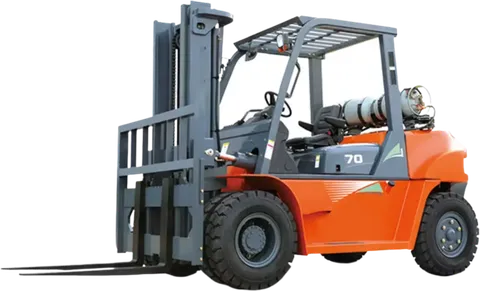
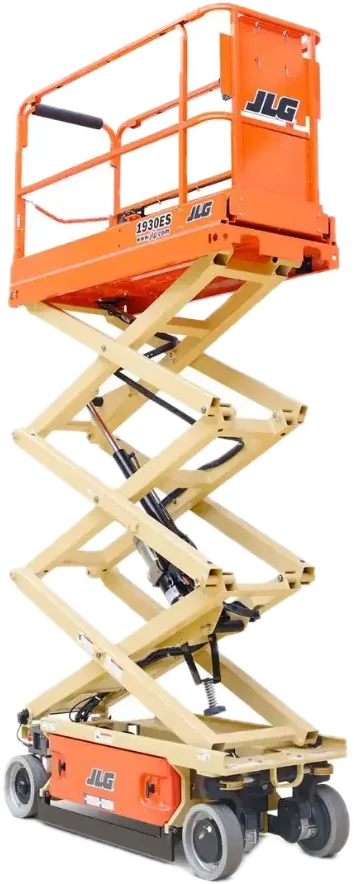
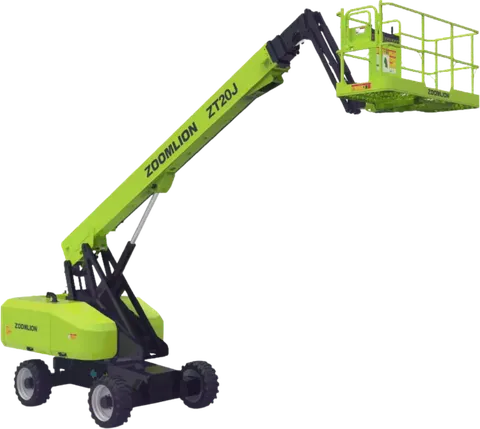
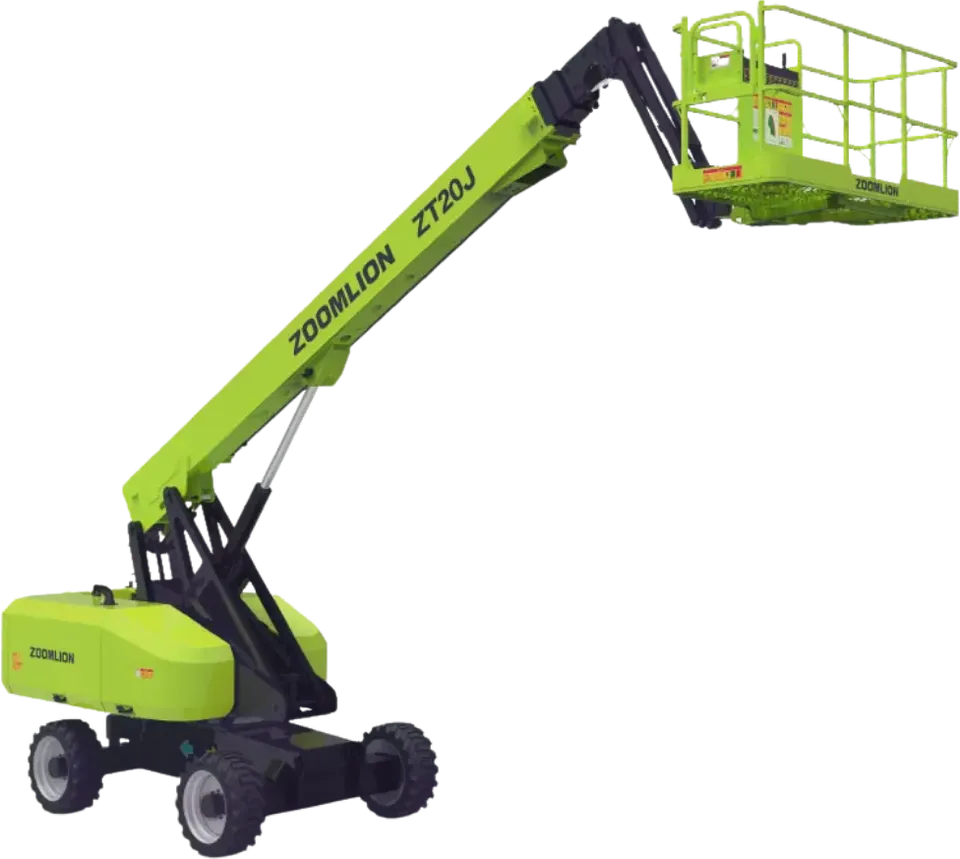
For forklifts, use the forklift pre-start checklist. For scissor and boom lifts, use the scissor and boom lift pre-use checks. Browse lifting equipment for the machines themselves.
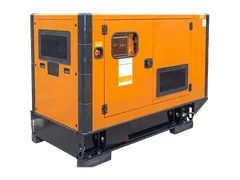
Generators. Check for fuel and oil leaks, the exhaust and its guards, cable condition and connections, earthing, the emergency stop, and that the area around the air intake is clear. Do not open covers on a running unit. See power equipment for generators and similar units.
Note. The operator's manual and the site's rules set the exact checklist for each machine. Requirements differ by project, site owner and insurer, so confirm them before mobilising.
How to do this on Maedah
If you are hiring a machine, post one request with the machine and quantity, the city and site, the dates, and requirements such as a driver or a TÜV inspection.
When the sealed quotes line up side by side, compare what each includes, such as a driver, inspection papers and who handles faults, not only the price. In the quote chat, ask how the supplier wants defects reported, and keep your reports in that thread.
Maedah does not inspect machines: the daily check stays with the people who use them.