Buying Used Heavy Equipment in Saudi Arabia, Step by Step
Buy a used machine in six steps, and do not move to the next step until the current one is proven. No money moves before the documents, the cold start and the written agreement are done.
A machine you buy stays with you for years, so check it before you discuss price. These guides compare new and used, show how to inspect a machine and read its service history, and list the ownership and import documents to ask a seller for. They also explain the running costs that follow a purchase (fuel, tyres or tracks, spare parts, downtime) and what affects resale value later. Read the new-versus-used guide first, then the inspection checklist before you visit a machine.

Buy a used machine in six steps, and do not move to the next step until the current one is proven. No money moves before the documents, the cold start and the written agreement are done.
Decide with four questions, not a list of pros and cons: hours per year, cost of an idle day, your maintenance ability and how long the work lasts.
Prove three links before any deposit: the machine is the one on the papers, the papers are in the seller's name, and nobody else has a claim on it.
Hours show engine running time. Age shows time-based wear. Neither shows how hard the machine worked, so read both with service records and wear.
Add ownership, operating and hidden costs for a year, then divide by the hours the machine really worked. Ownership costs run while it is parked, so fewer hours raise the cost per hour.
Cash, finance and rent differ in the capital they tie up, who owns the machine at the end and who carries repair and resale risk. Ask the questions for each route, then compare total cost over the same period.
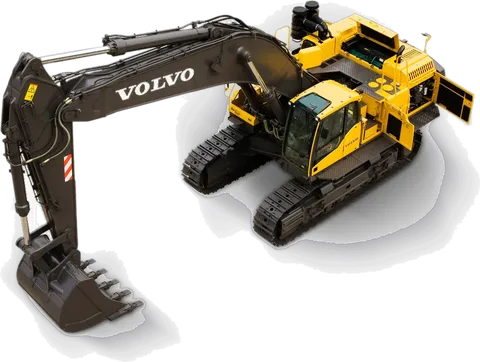
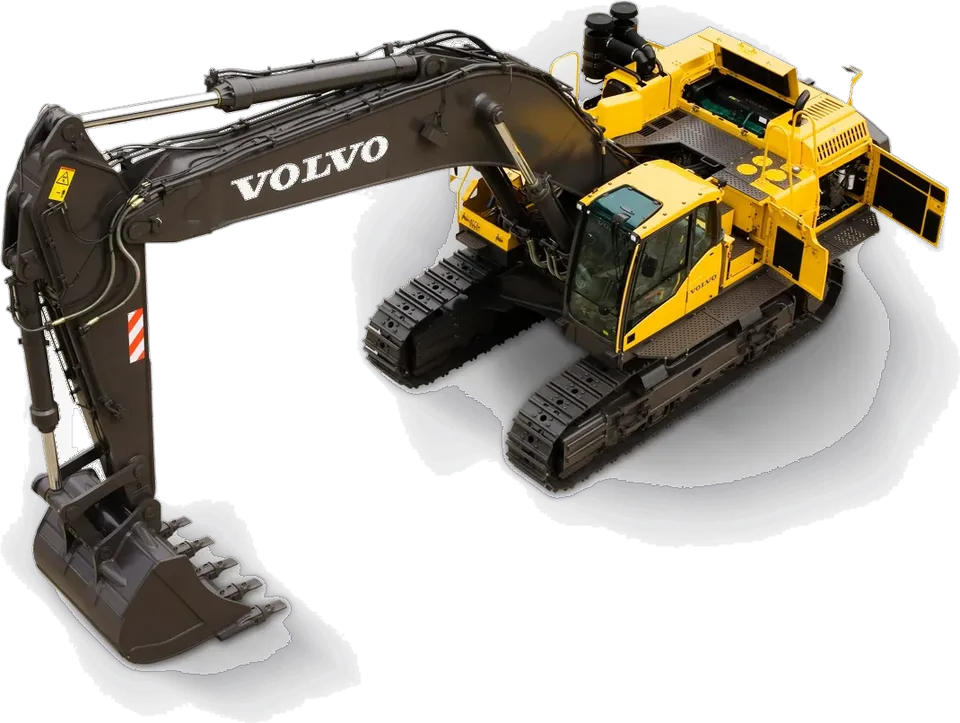
Inspect a used excavator in a fixed order: papers and cold start, undercarriage, structure and pins, hydraulics, then a full working test.