Work at Height & Scaffolding
Work at Height Equipment: Lifts, Scaffolds and Platforms
Choose work at height equipment from the job: how long it lasts, how many people work, how much material they need and where equipment can stand.
Work at height starts with three questions: how high, on what surface, and doing what. These guides compare scissor lifts and boom lifts, explain scaffolding types and the checks made before use, and introduce suspended platforms and formwork systems. They separate working height from platform height and indoor from outdoor use, and they cover fall protection and inspection tags. Read the scissor lift versus boom lift guide to choose the machine, and the scaffolding inspection guide before anyone climbs.
Choose work at height equipment from the job: how long it lasts, how many people work, how much material they need and where equipment can stand.
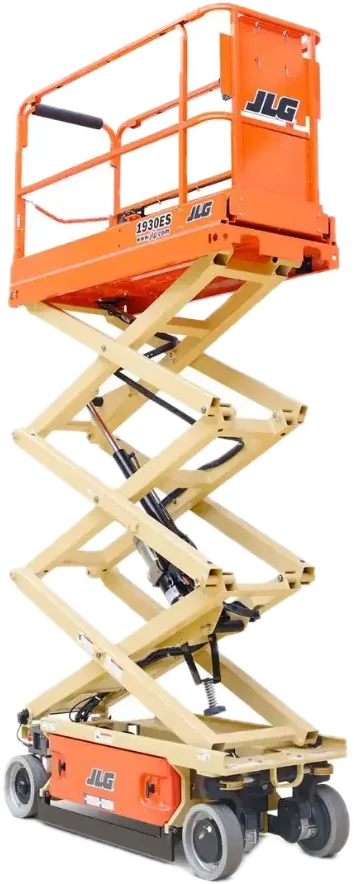
Ask whether your work point is directly above a place the machine can stand. If yes, a scissor lift. If you must reach over something, a boom lift. If access is tight, a spider lift.
Choose by five things and write them in your request: work height, platform load and size, floor or ground, electric or engine power, and the route to the work area.
Choose frame scaffold for straight, repeated facades, tube and coupler for complex shapes, and cuplock when you need rigid, modular scaffold in between.
Look at a scaffold from the ground up before you climb: base, frame, platform, edges, access and load. Any doubt means stop and call the scaffolder.
Choose formwork by how often the same shape repeats, whether a crane is on site and how fast the cycle must be. Then have the props designed for the real load.
Do a walk-around and a function test before the platform leaves the ground, then work inside the limits in the manual and site rules. A defect means tag out.
Browse equipment for rent and sale, or post one request and compare written quotes from suppliers.