
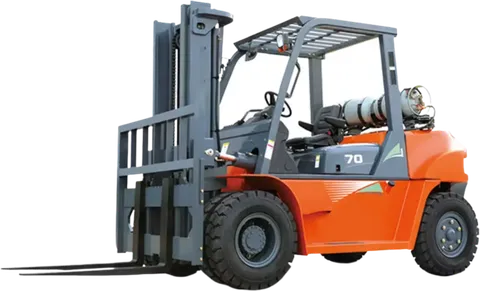
Forklifts & Material Handling
Types of Forklifts and How to Choose the Right One
Choose by three things: what you move, what surface you move it on, and how high it must go. The type name comes after those answers.
A forklift's rated capacity is not a fixed number: it falls as the load centre moves outward and as the forks go higher. These guides explain that, compare forklift types, and show when a telehandler, pallet stacker or reach stacker suits the load, the surface and the space better. They also cover attachments, battery against diesel power, and the checks an operator makes before each shift. Read the capacity guide first, then the forklift-versus-telehandler comparison for rough-terrain and warehouse work.
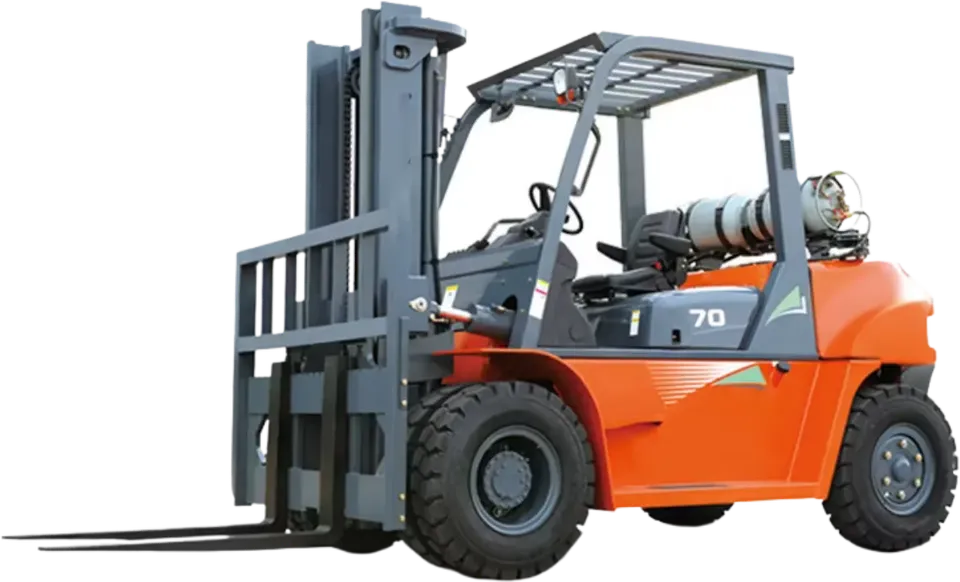
Choose by three things: what you move, what surface you move it on, and how high it must go. The type name comes after those answers.
A forklift's rated capacity holds only at one load centre and up to one lift height. Measure your load's centre, then ask the supplier for the reduced figure.
Match the power type to the worst place the truck works and the shifts it runs, then order its support: ventilation, a charging point, gas storage or fuel.
Choose a forklift for repeat pallet moves on firm ground. Choose a telehandler when the load must go up, forward or over an obstacle, and read its load chart first.
Measure the heaviest load, the lift height, the lowest doorway and the aisle width first, then write them into your request so every quote is for the same truck.
Check the forklift in walking order: outside, power source, seat, then a lift test. Tag out and report any truck with a safety defect.
Browse equipment for rent and sale, or post one request and compare written quotes from suppliers.
