Power, Generators & Lighting
How to Size a Generator: kVA, kW and Power Factor
Add the kW of the loads that run together, divide by 0.8 to get kVA, check the largest motor start, then add headroom. The supplier confirms the final set.
A generator that is too small trips under load, and one that is too large runs inefficiently at low load. These guides explain kVA and kW, how to size a set when motors and other loads draw extra current at start-up, the difference between prime and standby ratings, and when a silent canopy set is worth specifying. They also cover tower lights for night work and air compressors for tools. Before you contact suppliers, list every load you plan to connect, then read the sizing guide.
Add the kW of the loads that run together, divide by 0.8 to get kVA, check the largest motor start, then add headroom. The supplier confirms the final set.
The same generator set carries a higher kVA number as standby than as prime. Compare quotes only on the same rating, then compare the kVA.
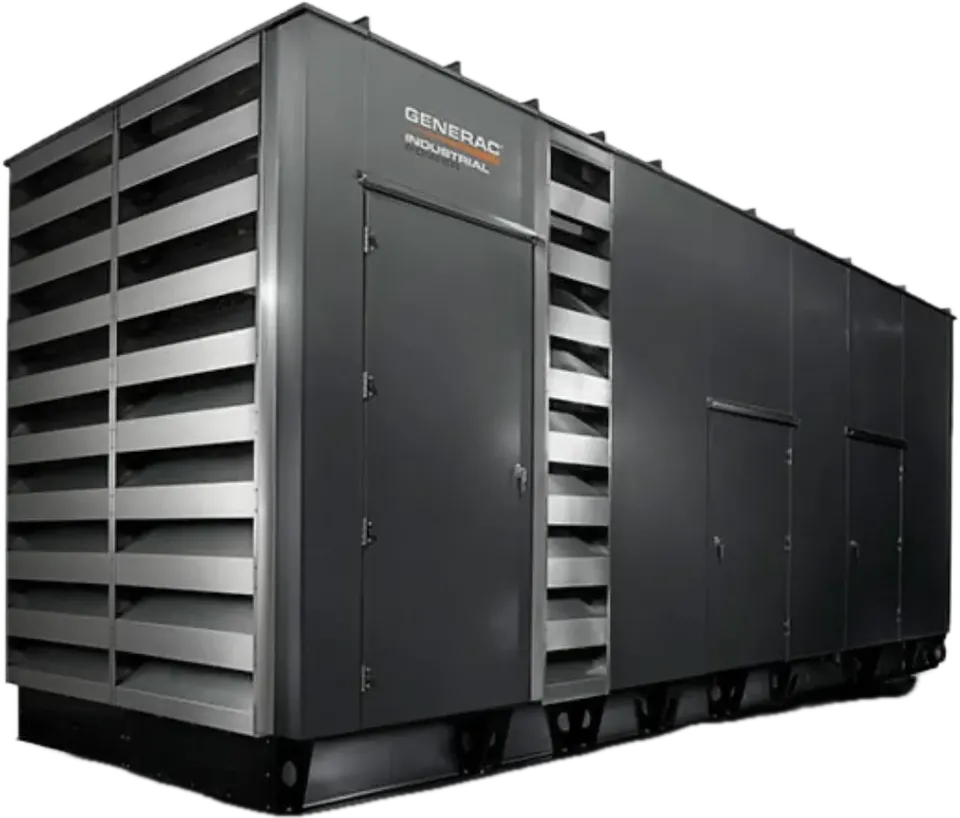
Choose a silent (canopy) generator when people live or work close by or the set stands outdoors in dust and rain. An open set suits remote, supervised, sheltered sites.
Divide the usable tank volume by the set's consumption at your real load, then choose a built-in tank, an extra tank or a tanker and refuel with a reserve left.
You need an ATS when a generator must take over from mains with nobody at the switch. Consider paralleling when one set is too small, or you need a spare if one fails.
Know your load, supply type and running hours first. Then make every supplier state the rating, fuel, service and connection terms, so quotes match.
Plan tower lights from the layout, not the catalogue: mark the work zones and danger spots, light each from two directions, then choose lamps, power and runtime.
Read each tool's air use and pressure from its data plate, add up the tools that run together, add a margin, then match the total to the compressor's delivered air.
Browse equipment for rent and sale, or post one request and compare written quotes from suppliers.