Trucks, Trailers & Transport
Types of Trucks and Trailers for Construction, by Load
Group vehicles by what they carry: machines, bulk material, liquids, or people and small loads. Then check payload before you ask for quotes.
Every heavy machine must reach the site, yet transport is often the last thing planned. These guides cover lowbed trailers and flatbeds, dump trucks, and water and fuel tankers, and show how to match trailer capacity to a machine's weight and dimensions. They explain loading and securing, route and access checks, and which permits and escorts to confirm with the supplier. Start with the guide on moving heavy machines, then the truck guides that match your load.
Group vehicles by what they carry: machines, bulk material, liquids, or people and small loads. Then check payload before you ask for quotes.
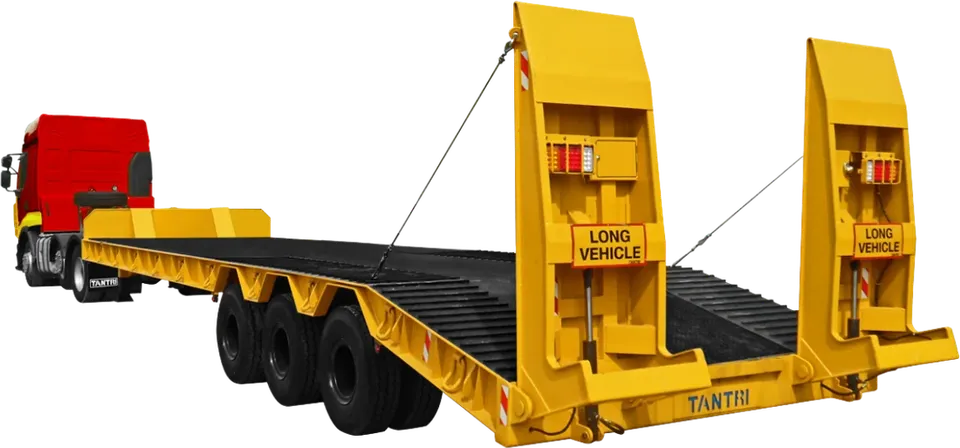
Weight, loaded height and deck size choose the trailer. A flatbed suits light, low machines, a lowbed suits tall or heavy ones, and a modular trailer suits very heavy or very long loads.
Confirm the machine's travel size and the route first, then prepare the ground, the machine and the lashing in that order. Each line says why it matters.
Rigid dump trucks suit roads and prepared haul routes, articulated trucks suit soft or uneven ground, and mining haulers stay on quarry and mine roads.
Start from what the water is for, not the tanker size. Then settle quality, outlet, filling point and site access so the truck does not make a wasted trip.
Book a vacuum truck by telling the supplier what is in the tank, where the cover is, how far the hose must reach and where the truck can stand.
Split the move into seven legs, name one owner for each in writing, and settle the vehicle, permits and site readiness before the cargo is released.
Browse equipment for rent and sale, or post one request and compare written quotes from suppliers.