This is for owners, developers and contractors clearing an old building or structure. It settles the demolition project steps and equipment sequence: which machine belongs at each stage, what must be finished before it starts, and where the debris goes.
What are the steps of a demolition project, in order?
The order below is typical. Your method may add or merge steps, because it follows the structure's type, condition and surroundings. For where demolition sits among the other site phases, see planning equipment by construction phase.
| Step | Typical machine or crew | Must be finished first |
|---|---|---|
| 1. Survey and method | Competent person, no machine | Access to the structure and its drawings, if any exist |
| 2. Isolate services | Service providers | Survey that lists every connection |
| 3. Remove hazardous materials | Specialists | Survey result |
| 4. Soft strip | Hand crews, small tools, a loader or mini excavator for removal | Services isolated, hazards cleared |
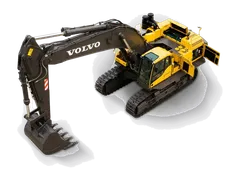
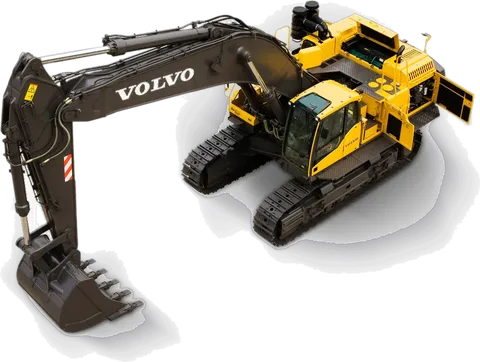
| 5. Structural demolition | Excavator with breaker, pulveriser or shear | Strip complete, zone set up, method approved |
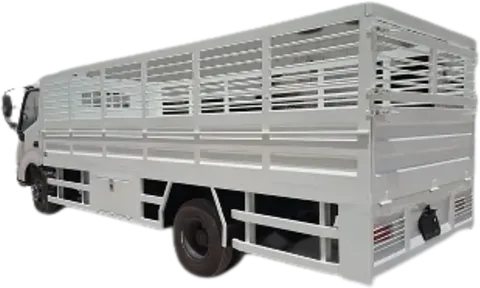
| 6. Load and haul debris | Excavator or loader, dump trucks | Material separated where the plan requires it |
| 7. Crush and reuse (optional) | Crusher | Specification allows reuse |
| 8. Site clearance | Loader, dump trucks | Structure down, debris out |
Treat the right-hand column as a hold point. Before each step starts, ask who confirms that its condition is met, and get that confirmation before the machine is released to work.
For example, on a two-storey concrete building beside a road, the order is: survey and method, written service isolation, interior strip, then a high-reach excavator with a pulveriser working from the top down. Sprayers wet the break point and a banksman controls the truck gate. Loaders and trucks clear the rubble last.
What must happen before any machine arrives?
Three things come before equipment.
First, a survey of the structure. A competent person prepares the demolition method from it. The method depends on what the structure is made of, how it has aged and what stands next to it.
Second, services must be isolated. Electricity, water, gas, sewer and telecom connections are normally isolated by, or with, their providers. Ask for confirmation in writing and keep it on site. A verbal "it is off" is not enough to put a breaker on a wall.
Third, hazardous materials. If the survey finds them, specialists remove them before demolition starts. This matters most in older buildings. Do not let a machine crew "just take it down carefully" around a suspected hazard.
Watch out. Requirements for approvals and notifications differ by project, site owner, municipality and insurer. Confirm them before you mobilise any machine.
Why strip the building by hand before the structure comes down?
A soft strip removes doors, windows, fittings, ceilings and cladding before structural demolition. It has two real benefits.
- Less dust. Breaking a stripped frame throws up less mixed dust than breaking a finished room.
- Cleaner debris. Timber, glass, metal and plastics come out separately, so they can be sorted for reuse or disposal instead of ending up in one mixed pile.
Strip crews work by hand and with small tools, so keep machines out of the area they are working in. Move to the next step only when the strip is done and the area has been checked against the method.
Which machines take the structure down?
Structures are typically taken down from the top, working down level by level, in the sequence the demolition method sets. Removing a part can leave the rest unstable, so the method should also say what is removed in which order and what needs temporary support. The main machine is an excavator fitted with a tool for the job. A high-reach demolition excavator works upper levels from the ground, which can keep the operator out of the falling zone.
| Attachment | What it does | Typical use |
|---|---|---|
| Hydraulic breaker | Hammers concrete and masonry | Slabs, footings, thick walls |
| Pulveriser | Crushes concrete and separates steel from concrete | Beams, columns, walls |
| Shear | Cuts steel sections | Steel frames, rebar, pipes |
Two rules decide most problems here.
Match the breaker to the carrier. Use the weight range the breaker maker gives for the excavator. A breaker that is too small is slow. One that is too large can damage the carrier. For details, see the excavator attachments guide, and browse hydraulic breakers.
Check the floor before a machine stands on it. A machine working on a floor slab needs that slab confirmed as able to carry it. Get that confirmed by a competent person, not guessed by the operator.
If you only need an opening in a wall or slab, a full breaker may be the wrong tool. See core drilling versus breaking concrete.
How is debris loaded, hauled and sorted?
Debris starts piling up as soon as the structure comes down, so the plan for it comes first.
- Excavators or loaders load the material into dump trucks.
- Steel and concrete are separated. Reinforcing steel is pulled from broken concrete, often by the pulveriser or by hand.
- Trucks carry the material away, or it goes to the crusher if it is staying on site.
- Loads typically go to disposal sites approved by the municipality or the site owner. The contractor should confirm which site accepts which material before the first truck leaves.
Keep the haul route clear and separate from the working area. For truck options, see types of dump trucks.
Tip. Ask each hauler where the load is going and which approved site takes it. A truck that cannot name its site is a problem for your project, not only for the driver.
Can the concrete be crushed and reused on site?
Often, yes. Clean concrete rubble can be crushed into aggregate on site, where the project specification allows reuse. That saves haul trips and gives you fill or base material.
Check three things before you hire a crusher:
- Does the specification allow it? Ask the client or engineer. Do not assume.
- Is the rubble clean? Wood, plastic and soil spoil the product, and loose rebar can damage the crusher, so steel is removed first.
- Is there room? A crusher needs space for stockpiles, for trucks and for the dust it makes.
If the specification does not allow reuse, the rubble goes to an approved disposal site like any other debris.
How do you control dust, noise and the area around the work?
Breaking concrete makes fine dust, which can contain crystalline silica. This is a health risk for operators and for people nearby, so it belongs in the plan from the start.
- Water spraying at the point of breaking and on haul routes.
- A dust plan that says who sprays, when, and what stops work if it fails.
- Suitable operator protection, chosen with the safety adviser on the project. Ask what rating of respiratory protection the method calls for.
- An exclusion zone around the work, set by the method to cover at least the falling, throwing and swing zones, with a banksman watching it.
Noise matters too, especially near homes, hospitals or schools. Hot weather adds another limit: plan breaks, shade and water for crews, and note that working hours in summer differ by project and site owner.
The banksman and exclusion zone guide explains how to set both up so people and moving machines stay apart.
How to do this on Maedah
Post one project request with every machine you need. Add the excavators, the breaker or pulveriser, the loader and the dump trucks. Set the city and the site on the map, give the dates and say whether you need a driver or operator. Add requirements such as insurance, TÜV inspection or Urgent if the project needs them.
Suppliers who offer those categories in your city send sealed quotes. Compare them side by side: what is included, response time and rating. Chat with a supplier from its quote. Agree price and payment with the supplier directly, because Maedah does not process payments.