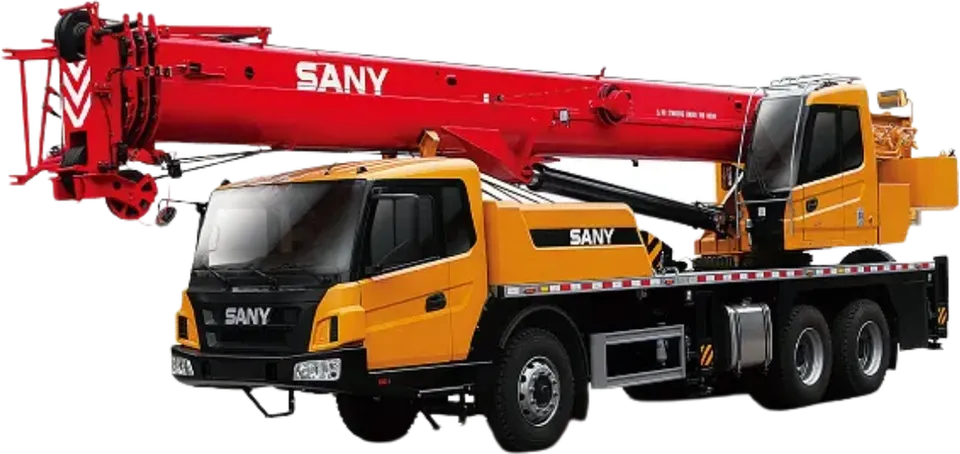
This is for contractors, site managers and owner-builders who have a scope of work and a start date but no equipment plan. It turns the scope into a construction equipment schedule by phase. You will settle which machines each phase needs, what must be ready before each one starts, and how early to ask for it.
Why plan equipment by phase instead of hiring for the whole project?
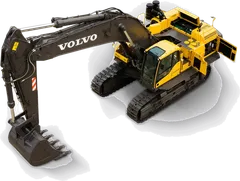
Each phase needs a different mix of machines. Excavators are busy at the start and often idle later. Cranes and concrete pumps matter during the structure. Lifting platforms and tools matter during finishes.
Hire one fleet for the whole project and some machines wait. Hire with no plan and a machine arrives before the work is ready, or the reverse. A phase plan fixes both: each request has exact dates.
Which machines belong to each phase?
A building project usually moves through six phases: site preparation and earthworks, foundations, structure, envelope and finishes, services and external works, and handover. Your project may merge or skip some of them, and a multi-building site may have each building in a different phase at the same time. Write your own phase names, with start and finish dates, on one page.
Use the matrix below as a starting point. The last column matters most: a machine can start only when the task before it is ready.
| Phase | Typical machine role | What must be ready first |
|---|---|---|
| Site preparation and earthworks | Excavators and loaders to clear, cut and fill; trucks to move material; compaction equipment | Boundary and levels marked, access agreed, utilities located |
| Foundations | Excavation to the design depth; piling rig where the design needs piles; concrete delivery and a pump; a light crane for reinforcement cages | Approved excavation, reinforcement and formwork in place and approved to pour |
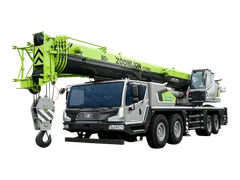
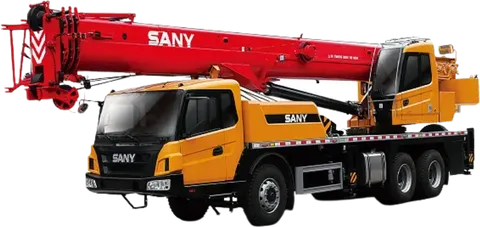
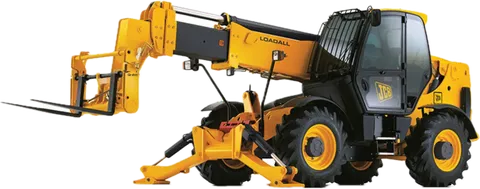
| Structure | Tower or mobile crane for steel, precast and formwork; concrete pump; telehandler or forklift for materials | Prepared crane stand, approved lift plan, concrete pour approved |
| Envelope and finishes | Lifting platforms, scissor lifts and boom lifts for facade and ceilings; hoists; a crane for facade panels or for heavy equipment such as air-conditioning units lifted to the roof; small tools | Structure complete in the area, safe access and firm, level ground or floor for the platform (check the floor's load limit) |
| Services and external works | Excavators for trenches; compaction; paving and road equipment for external areas | Service routes marked, existing buried services located, drawings approved |
| Handover | Cleaning and defect-fixing access equipment (lifting platforms, ladders); removal of cabins and temporary works | Inspections done, client agrees the sequence |
Never skip a "ready first" item to save time. If the site is not ready, the machine may stand on site and you may still be charged for it.
Do not size the crane once for the whole project. Foundations may need only a light lift for reinforcement cages, the structure the heaviest lift at the widest radius, and finishes a different lift, such as facade panels or rooftop equipment. For each phase, list the heaviest lift, its radius and its height, then ask the supplier to confirm a machine for that phase.
Browse excavation equipment, lifting equipment and concrete equipment.
Which equipment runs across every phase?
Some items run from the first day to handover:
- Site power and generators
- Lighting for early starts and night work
- Water supply and storage
- Site cabins, offices and storage containers
- Toilets and welfare facilities
Plan these as a separate line, not inside any phase. They often start before the first machine arrives and end after the last one leaves. Ask whether the supplier can relocate them as the work moves, and who pays.
How do you find overlaps, gaps and idle machines?
Draw one grid: phases across the top, machines down the side, a mark where a machine works. This example for a small building has no dates, and merges some columns:
| Machine | Earthworks | Foundations | Structure | Finishes | External works |
|---|---|---|---|---|---|
| Excavator | work | work | work | ||
| Concrete pump | work | work | |||
| Crane | work (light lift) | work (heaviest lift) | work (facade panels) | ||
| Lifting platform | work | ||||
| Site generator | work | work | work | work | work |
Add start and finish dates to each mark, then check three things.
Overlaps. Two phases often run at the same time in different areas. Foundations may still be going on one side while the structure starts on the other. Count the machines for both phases at once.
Gaps. Look for a phase where the work stops because a machine is missing or late. For example, no excavator when the next area is ready.
Idle machines. Look for a machine booked across a wait. For example, a crane hired for the structure phase and left on site during a slow period. Either release it or agree in writing what is charged while it waits.
Whether an idle machine is charged depends on the agreed terms. Write the dates, the hours per day and what happens to delays into the request, then confirm them in the quote.
Tip. Compare the cost of keeping the machine on site with the cost of delivering it again, and with the risk that it is not available when you need it. Ask the supplier for both figures before you decide.
How early should you request each machine?
Use one rule: the fewer machines of that type, the earlier you ask.
- Specialist machines. Large cranes and piling rigs are usually fewer than general machines, and availability varies by city and season, so request them earlier. Ask as soon as the phase date is firm.
- General machines. Excavators, loaders, trucks and small tools are easier to find, so request them later.
- Anything that needs a site-specific plan. A crane needs a lift plan (see the crane lift plan checklist) and a prepared stand. Piling needs the design and the access agreed. Allow time for that, and for any approvals the site owner or municipality requires, before the machine arrives.
To find the real lead time, ask each supplier how much notice they need for that machine and city. Then put the request date on your schedule that far before the phase start, with extra margin for specialist machines. Work back from the start date of the phase, not of the project.
In Saudi summer, site hours and concrete pours are often moved to cooler hours, so the dates for pump and crane requests may need to change. Strong wind, including during dust and sand storms, can also stop crane lifts, so keep a margin. Confirm working hours with the site owner before fixing dates, and see planning equipment around Ramadan and summer schedules.
Before you post each request, write down:
- The phase start and finish dates
- The task that must be ready first, and who confirms it
- The hours per day the machine will work
- Site access for delivery trucks and the machine itself
- Who relocates site services when the work moves
What changes when the project is not a building?
The method stays the same: list the phases, attach machines, find the "ready first" item. Only the phase names and the machines change.
- Roads and infrastructure have more earthworks, compaction and paving, and fewer lifts. See road construction equipment in the order it is used.
- Industrial and warehouse projects often have large steel erection and heavy lifts in the structure phase. See equipment for a warehouse or factory build and industrial site equipment requirements.
- Renovation and demolition start with access, safety and removal. A renovation then rebuilds in small phases. See demolition steps and equipment in order.
- Solar and similar projects repeat the same task across a large area. See solar farm construction equipment by stage.
For a small residential build, start with equipment for building a villa.
Note. Sizing the number of machines per phase is a separate question. See how to estimate how many machines a project needs.
How to do this on Maedah
Post a request for each phase when the phases are far apart. A Maedah request carries the machines, quantities, city and site, dates and requirements such as a driver or insurance. When phases follow each other closely, one project request can hold several machines.
Compare the sealed quotes side by side, and agree price and payment with the supplier. For wording, see what to write in an equipment rental request.