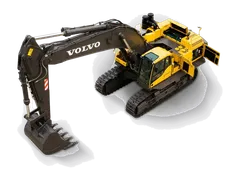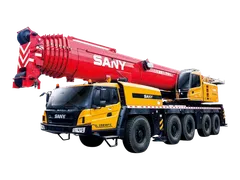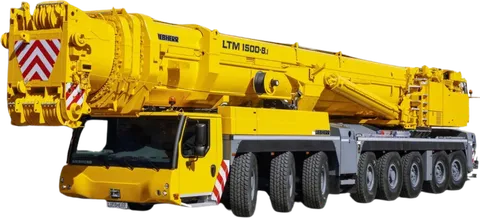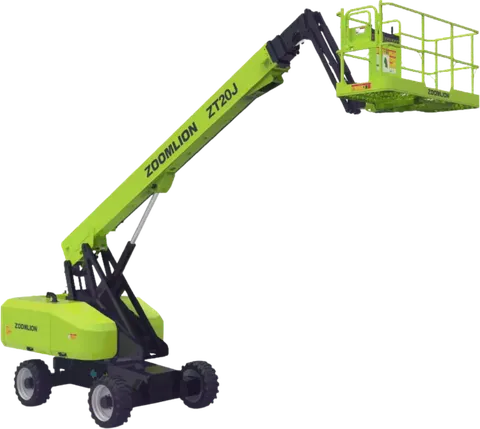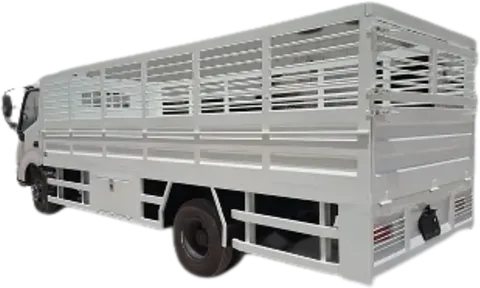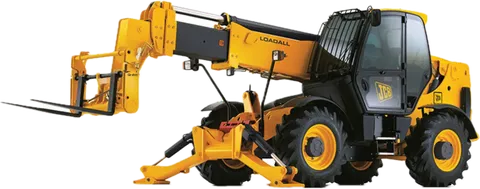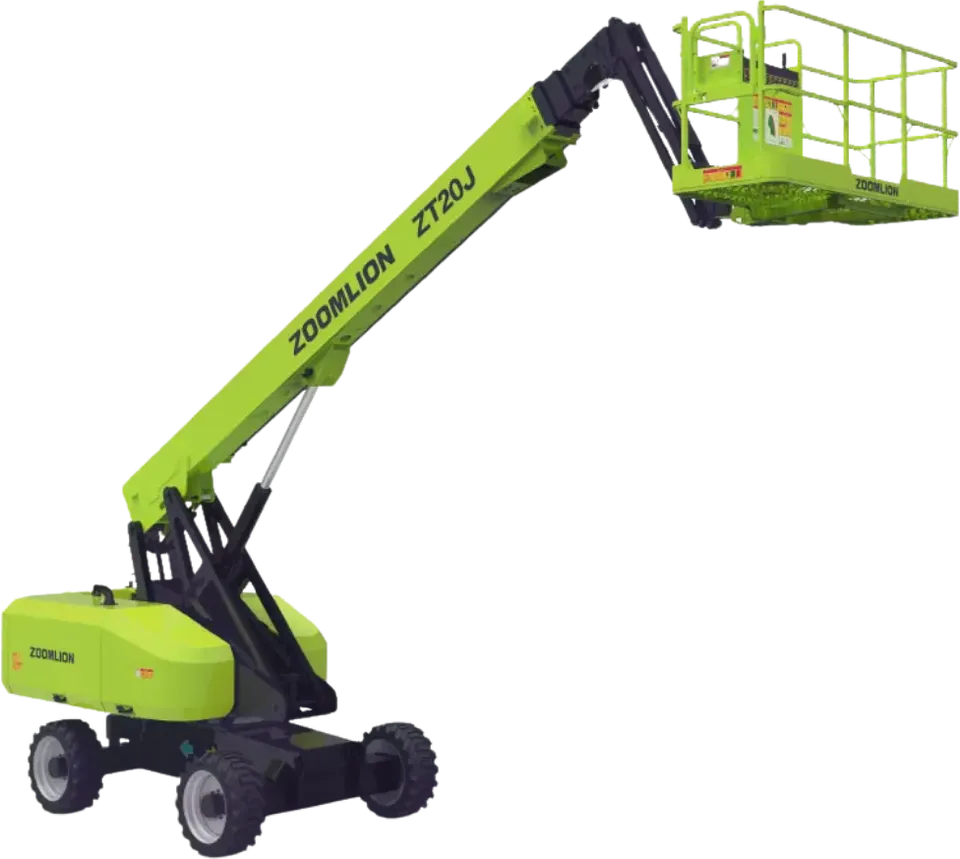
Excavators, trucks and cranes often move within a few steps of people on foot. This guide is for site managers, foremen and safety officers who need rules every worker and visiting driver can learn in one induction. For each machine it asks three questions: where can the operator not see, where can the machine reach, and who may enter? Those answers set your banksman and exclusion zones on site.
Why are people on foot the main risk around moving machines?
The operator sits high above the ground. A person close to the machine, or behind it, can be invisible from the cab. Mirrors and cameras reduce blind spots but do not remove them. Rely on a marked zone, an agreed signal and a trained person, not on being seen.
Tip. Test the blind spots before the first shift. The operator sits in the cab while a colleague walks slowly around the machine. Mark every place where the operator loses sight of the colleague.
What is a banksman, and when is one needed?
A banksman (also called a signaller or spotter) guides a driver or operator who cannot see clearly. It is most common when a vehicle reverses or manoeuvres in a tight area.
The driver follows only that one person's signals. The one exception is stop: anyone on site may give the stop signal, and the driver always obeys it and waits for the banksman to restart the movement. If the banksman goes out of sight, or a signal is unclear, the driver stops. Every driver must know this rule.
Use a banksman when:
- a truck or loader must reverse where people or other vehicles may be behind it;
- a machine works in a tight area, near a wall, a trench or a live road;
- the load, the boom or the machine itself blocks the operator's view, as in a crane lift.
Watch out. Do not use two people giving directions at once. If two people direct the driver, the driver can follow the wrong one. Only the stop signal may come from anyone.
A banksman is trained, wears high-visibility clothing and stays where the driver can always see them. Their position has a clear view and a way out, never behind the machine or between it and a wall. They do no other task while guiding. For the driver's side, see how to check an equipment operator's competence.
How do you set up and mark an exclusion zone?
An exclusion zone is an area around a working machine that people may not enter while it is operating. Mark it with barriers, cones or tape. Everyone on site must know it.
Set it up in this order:
- List the machines that will move today.
- For each, decide the area it can reach and the area the operator cannot see, using the blind-spot test.
- Mark that area so people see it from where they normally walk.
- Name who may give permission to enter: the operator or the banksman, nobody else.
- Brief the crew before work starts, and again when the machine moves.
The entry rule is the part people forget. A worker enters only after the operator has seen them and signalled that it is safe. Before giving the signal, the operator stops the movement and lowers the bucket, blade or attachment to the ground where the machine type allows it. The worker waits until this is done.
Note. The size of a zone depends on the machine, the task and the site. Agree it with the operator, the site owner and your safety officer. Do not copy a number from another site.
Common mistake: leaving the marking where the machine used to work. Move it with the machine. A zone in the wrong place is worse than none, because people trust it.
What are the danger zones of an excavator, a dump truck and a crane?
Each machine hurts people in a different way. The table gives the main danger area to mark and the common mistake. A wheel loader is included because it shares most site routes.
| Machine | Danger zone | Common mistake |
|---|---|---|
| Excavator | The full circle swept by the boom and by the rear of the upper structure when it turns. Also the gap between the machine and a fixed object. | Standing beside the machine or at the trench side while it swings. |
| Dump truck | The rear, directly in front of the cab and the sides, especially while reversing or tipping. | Walking behind a reversing truck because the alarm is sounding. |
| Wheel loader | The front and rear during turns, and the area around the bucket. | Crossing in front of a loader that is loading. |
| Crane | Under the suspended load, and any area where the load could fall. Also the swing area of the counterweight and the boom. | Walking under a load, or stopping to watch the lift. |
Note. Raised booms and tipping bodies can reach overhead power lines. Ask the site owner how lines are marked and who controls the area near them.
Around an excavator, nobody stands in the swing area or between the machine and a fixed object, because that person has no way out when the upper structure turns. A dump truck or loader is most dangerous when reversing, and an alarm does not replace a banksman. Under a crane, nobody stands or walks beneath a suspended load. A crane lift also needs its own lift plan with a named signaller, covered in the crane lift plan checklist.
How do you separate pedestrians and vehicles on a site?
Where possible, keep pedestrian routes physically separate from vehicle routes. A painted line is weak; a barrier or a gap is stronger. Where people must cross a vehicle route, make a marked crossing that drivers see from far away, never at a blind corner or behind a reversing area.
Plan the traffic to cut reversing:
- use one-way routes where the site allows it, and park vehicles so they can drive out forwards;
- give deliveries a fixed unloading place, away from walkways;
- keep material, cabins and parked equipment off the walking route.
Reversing will never be zero, so control what remains with a banksman and no pedestrians in the reversing area. Routes and gates belong in the wider layout, which the construction site setup checklist covers with cabins, power and water.
What signals and rules should the whole crew know?
Agree one set of hand signals or radio calls, and teach it to everyone. It must include a clear stop signal that anyone can give and every driver obeys. A visiting driver should understand it in a few minutes.
Cover these in the site induction:
- who the banksmen are and the hand signals or radio calls, including stop;
- where the exclusion zones and walking routes are;
- the high-visibility clothing and other protective equipment the site requires;
- what to do if you must enter a zone: follow the entry rule above.
Give the instructions in the languages your crew speaks, because a rule a worker cannot read does not protect them. A daily walk-around inspection should catch a broken mirror, camera or alarm. Do not use the machine until it is repaired.
What should you do at night or in dust and poor visibility?
Darkness, sandstorms and dust from the work make blind spots bigger and workers harder to see. Be stricter, not more flexible:
- add lighting at crossing points, reversing areas and the machine's working area;
- insist on reflective high-visibility clothing, kept clean;
- slow vehicle movements, or stop non-urgent ones;
- add banksmen where the view is worse, but keep one signaller for each movement;
- stop the movement if the operator and the banksman cannot see each other clearly.
Dirty mirrors and camera lenses hide people. Clean them during the shift, not only at the start. Rules for night work and working hours differ by project, site owner and municipality, so confirm them before mobilising.
How to do this on Maedah
When you post a request, say whether you need a driver or operator, and mark the site on the map. Once quotes arrive, raise banksmen and exclusion zones in the quote chat so the supplier knows the rules before you accept.
Compare what each sealed quote includes, such as an operator. Ask each supplier for the machine's current inspection papers and expiry dates, and how their operators work with a banksman.