This is for site managers and small contractors who need a desk, a meeting room, a rest area or a lockable store on site. A cabin and a container look alike on a truck, but they behave differently in the sun, on the base and on the power supply. Below: a rule by use, a comparison table, and what to settle before delivery.
What is the real difference between a portable cabin and a container?
A portable cabin is a prefabricated unit built for people to occupy. It typically has insulated wall, floor and roof panels, a door, windows and usually electrical fittings. It can be moved to another site, and it comes in many sizes.
A shipping container is a steel box built to ISO dimensions. The common lengths are 20 ft and 40 ft, and the width is 8 ft. So a container's size is predictable. Cabin sizes vary from one supplier to the next, so never assume a cabin matches a size you saw elsewhere.
A plain container has no insulation, no windows and no electrics. If you want to work in it, it must be modified: openings cut, insulation and lining added, electrics fitted, and air conditioning installed. A modified container is a different product from a standard storage container, so ask for it by that name.
| Point | Portable cabin | Plain container | Modified container |
|---|---|---|---|
| Built for | People to occupy | Storing goods | People, after conversion |
| Size | Varies by supplier | ISO: 20 ft or 40 ft long, 8 ft wide | ISO size, less usable inside after lining |
| Insulation | Usually insulated wall, floor and roof panels; ask what thickness | None | Added during modification; ask what and where |
| Openings | Door and windows | Lockable doors only | Cut-in doors and windows; ask how they are framed |
| Electrics | Usually fitted | None | Fitted during modification; ask who did it |
| Delivery | Truck, then crane, boom truck or other lifting method | Truck, then crane, boom truck or other lifting method | Same |
| Best for | Office, rest room, meeting room | Tools, materials, secure store | Steel office, or mixed use |
Which one for an office, a rest room or a meeting room?
For any room where people sit for hours, a portable cabin is usually the simpler choice. It arrives built for occupation, with insulation, windows and electrical fittings already part of the unit. You mainly need to check what is fitted and what is not.
A modified container can also work as an office. It makes sense when you want a steel shell that is usually harder to break into, or when the container is already on site. Treat it as a small fit-out job and ask what was done to it.
Tip. If the supplier says "office container", ask whether it is modified or only labelled that way, and what is inside.
Which one for tools, materials and secure storage, or for both?
For storage, the container is usually the better choice. The steel body is strong, the doors lock, and the unit is built to be stacked, shipped and left outside. Cement bags, power tools, fixings, small plant and site records all suit it.
A cabin can also be locked, but its lighter panels and windows usually make it a weaker store. Use a cabin for storage only when you want something light, or the store must also hold a desk.
If you need a desk and a lockable store, you have two routes. Hire one unit of each: two bases and two lifts, but each unit is sited, locked and powered for its own job. Or ask for a partitioned modified container: it saves space, but confirm it is offered and ask who fitted the partition.
Keep fuel, gas cylinders and other flammables out of every unit where people work or rest. Store them separately, as the product's maker and your site rules require. Do not use a general storage container for them unless the site owner and the supplier have agreed it is suitable.
How do heat and insulation change the answer in Saudi summer?
A bare steel container heats up strongly in direct sun. Inside, it can become too hot to work in, and heat-sensitive materials can suffer. For occupied use, ask about insulation, shade and ventilation or air conditioning. A roof canopy or a shaded position helps even a well-insulated unit.
For storage, heat matters less than strength. Still, ask the maker what temperatures paint, adhesives, batteries and other heat-sensitive items can take before you leave them in a closed steel box in summer.
A cabin's insulated panels slow the heat, but the unit still needs air conditioning to be comfortable. Ask what is fitted and whether it suits the room and the sun on it.
What do you need on site before delivery: base, access and unloading?
Settle these five points before the delivery date.
- Base. Both types need a level, firm base. An uneven or soft base can twist the frame, and then doors stop closing. Ask the supplier what base they expect: compacted ground, blocks, or a prepared pad.
- Truck access. Confirm that the delivery truck can reach the spot: gate width, turning space, overhead cables, soft ground on the way in.
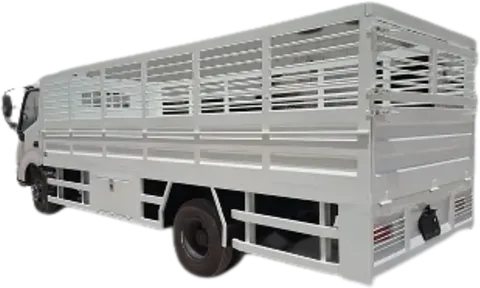
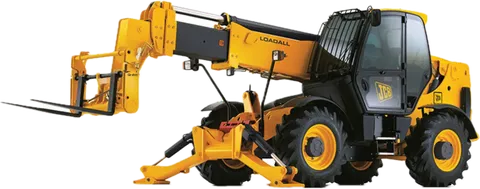
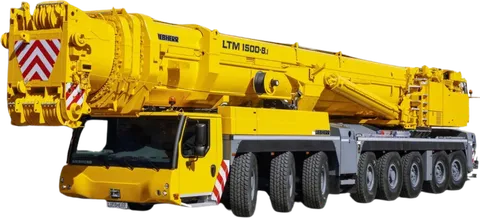
- Unloading method. Both are normally delivered by truck and unloaded by crane, boom truck or other lifting method. Ask who provides the unloading machine and operator, and whether they are in the price. Any lift should follow a lift plan, using lifting points and slings rated for the unit's weight; ask the supplier for the unit's weight. Boom truck or mobile crane explains which lifting machine fits.
- Clear space. Keep the area free of stacked material, parked vehicles and people while the unit is lifted and set down.
- Position. Decide the final spot and which way the door faces. Moving a unit later costs another lift. Confirm with the site owner whether the position and use need any approval; requirements differ by project and municipality.
For the wider picture, see the site set-up checklist.
Power, lights and air conditioning: what should the supplier fit and who connects?
A metal-skinned unit with electrics should be earthed and connected to a protected supply by a qualified electrician, following the site's electrical rules. This is a safety point, not a detail. Do not let the delivery driver or a labourer plug it in.
Ask the supplier these questions before the unit arrives:
- What is fitted: lights, sockets, distribution board, air conditioner?
- Who connects it to the site supply, and who is responsible for the earthing?
- What supply does it need, and what is the air conditioner's load?
- Will it run from the mains or from a generator?
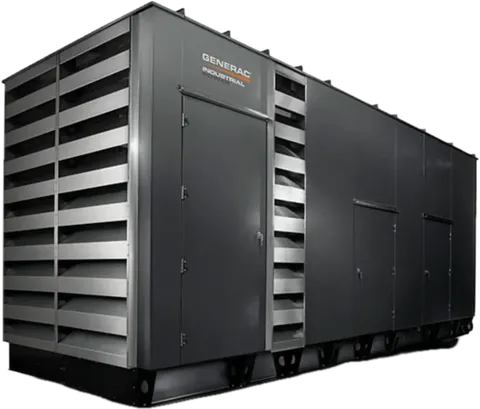
If a generator will feed the unit, allow for the air conditioner's starting load, which is higher than its running load, and size the set for all of it. How to size a generator covers kVA, kW and power factor.
Watch out. Never run a metal-skinned unit from an unearthed or unprotected supply. A fault can make the whole steel body live.
What should I ask every supplier before I choose?
Use this list to compare cabins, containers and modified containers on the same terms:
- Is it a cabin, a plain container or a modified container?
- What are the exact outside dimensions and the unit weight?
- What is fitted inside: insulation, windows, lights, sockets, air conditioning?
- What truck delivers it, and who unloads it with what machine?
- What base and clear space do you need from us?
- Who connects the power, and is collection at the end of the hire included?
How to do this on Maedah
Browse portable cabins and containers as a guest to see photos, specs and cities. Or post one request with the unit type, the city, the site on the map and the dates.
In the request, say what the unit is for, and add notes about air conditioning, delivery to site and who unloads. Suppliers send sealed quotes that line up side by side. Compare what is included, such as delivery, unloading and collection, not only the total. What a rental rate includes and leaves out shows what to look for. Agree payment and terms with the supplier.