This construction site setup checklist is for the site manager or contractor with a plot, a start date and a crew about to arrive. For each step it gives one question to settle, a ready-when test and the equipment to request.
What has to be ready before the first machine and crew arrive?
Four things: a controlled entry, a place to unload, power and water, and somewhere for people to rest. On most plots the order is fence and gate, then ground and cabins, then power and water, then the production machines (the main works fleet) and the main crew. Your client or site owner may set a different order, so confirm it. The table at the end sets out each step.
Access, gates and fencing: how do you secure the plot and let deliveries in?
Fence the plot first, so every later delivery enters through one controlled point. Request temporary fencing and barriers for the boundary and the gate.
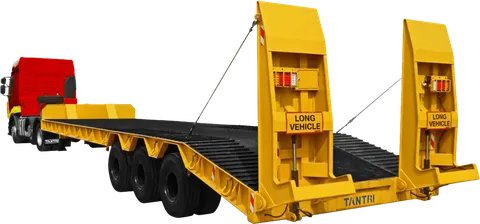
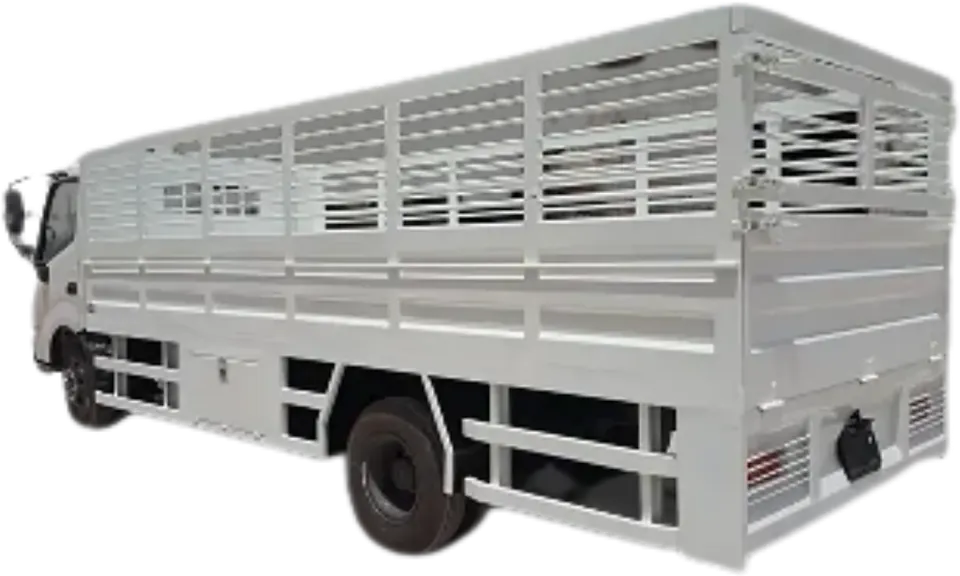
The question to settle: what is the largest vehicle that will enter? This is usually the lowbed (the low trailer that carries heavy machines) or truck delivering the biggest machine or cabin. Size the gate for its width, the access route and turning space for its length, and check overhead clearance such as cables, signs and gate frames against its loaded height.
Also decide where vehicles unload and wait, where visitors and workers enter and who checks them, and whether the ground at the gate can carry a loaded truck after rain or a water leak. A common mistake is a gate that fits a pickup, then a cabin truck that cannot turn in.
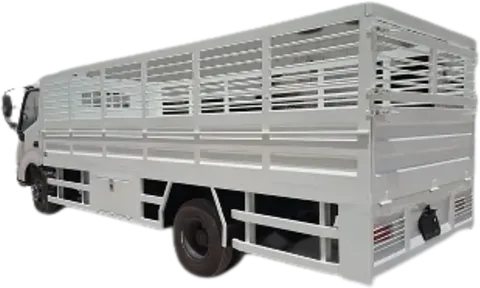
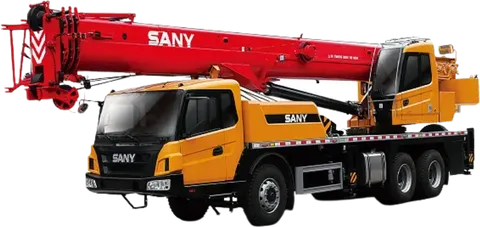
Cabins and containers arrive on the same kind of vehicle, so plan their base and unloading with the gate. Both need a level, firm base and an agreed unloading method: a crane, a boom truck (a truck with a crane arm fitted) or a forklift; boom truck or mobile crane helps you choose. To choose between the two types, read portable cabins vs containers. Browse site cabins and facilities for what is listed.
Temporary power: how much do you need and where does it come from?
Temporary power is sized from the connected load of everything that will run at the same time: cabin air conditioners, lights, pumps, welders and hand tools. Add the starting surge of motors, because a motor draws more when it starts than when it runs.
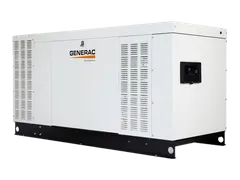
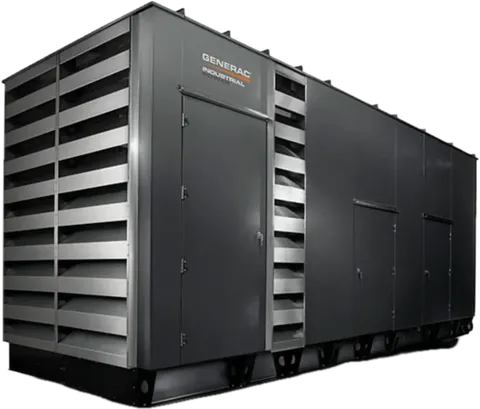
Generators are rated in kVA. The load is usually listed in kW. The link is kW = kVA × power factor, and 0.8 is the usual rating assumption. For the full method, read how to size a generator.
Power can come from a generator, a temporary utility connection or both. Connection rules and timing differ by project, site owner and utility, so ask the site owner what is allowed and how long a connection takes before you decide how many generator days to hire.
The question to settle: what runs at the same time on the busiest day? Check the first week separately: early works may need different tools from finishing works.
Watch out. A generator alone is not a safe site supply. A qualified electrician should install and check the distribution boards, earthing and earth-leakage protection before anyone uses the power.
Before you request a generator, decide the fuel plan. Ask the supplier how long it runs on a full tank at your expected load and who services it during the hire; generator fuel planning covers runtime and refuelling. Place it outdoors, with its exhaust and heat away from cabins and air intakes.
Keep fuel in a labelled tank, away from cabins and rest areas. Ask the supplier and the site owner what spill containment and storage rules apply, and write down who refills the tank and how often.
Water: how do you store and refill it for drinking, washing and construction?
Plan storage from daily use multiplied by the days between tanker deliveries, then add a margin. Keep three uses separate:
| Use | Keep in mind |
|---|---|
| Drinking water | Own labelled tank, kept clean and shaded; ask the tanker supplier if the water is suitable for drinking |
| Washing and welfare | Wash points, toilets and kitchen areas: plan the water supply and where the waste goes |
| Construction water | Mixing, curing, dust control; never mixed with drinking water |
The question to settle: how many days can the site run between deliveries? For what to specify when you book a tanker, see water tanker hire for construction sites.
Welfare: what must the crew have for rest, toilets and shade?
In the Saudi summer, shade, cool drinking water and an air-conditioned rest area should be part of the plan, not extras.
The question to settle: what does the client require? The scale of welfare facilities differs by client, project and authority. Confirm it in writing before you mobilise, so you do not hire twice.
Toilets and wash points: decide the type (portable toilets or toilet cabins), where they sit, how they are supplied with water and how waste is removed. Ask the supplier who services them during the hire.
Rest area: decide whether it is an air-conditioned cabin or a shaded structure. An air-conditioned cabin adds to the power load, so count it in the list of loads in the power section.
Storage and security: where do tools and materials stay overnight?
Tools, cable and small materials need a lockable store. Bulk materials need a firm laydown area (open ground for storing materials), clear of the gate path and of the swing and travel paths of later machines.
The question to settle: who has the key, and who checks the store each day? Name one person who holds the key.
Also settle before mobilising, with a named person for each and the client's requirements confirmed:
- Lighting for early and late work. Request tower lights if the site needs them.
- A first-aid kit and fire extinguishers, placed near the cabins and the fuel tank.
- Safety signage at the gate.
- A place where everyone gathers in an emergency.
In what order do you mobilise, and who signs off each item?
Fill this table before the first delivery. Add two columns of your own: the person responsible and the delivery date.
| Item | Question to settle | Ready when | Request |
|---|---|---|---|
| Fence and gate | Largest vehicle that will enter? | It can enter, turn and unload clear of cables and the gate frame | Temporary fencing and barriers |
| Cabin ground and lifting | Who levels the base and who unloads the cabins? | Base level and firm; crane or boom truck booked for the delivery date | Crane or boom truck; compactor or loader if needed |
| Cabins, storage | Delivery vehicle and position agreed? | Cabins sit on the prepared base | Site cabins and facilities |
| Water | Days between deliveries? | Tanks filled, drinking tank labelled, next delivery booked | Water tanker, storage tanks |
| Toilets and wash points | Water in and waste out? | Water connected; waste removal arranged with the supplier | Portable toilets |
| Power | What runs together on the busiest day? | Electrician has checked the distribution; generator fuelled | Generator (the electrician is arranged with your contractor or the supplier) |
| Fuel | Who refills, how often? | Tank labelled, away from cabins, named person to refill | Labelled fuel tank |
| Crew and production work | Is everything above ready? | Every row above is signed off | The production machines |
For a plan that follows the project stages after this setup, see how to plan equipment by construction phase.
How to do this on Maedah
Put the whole setup into one project request. Add each item as a separate machine with quantity: fencing and gate, cabins, portable toilets, generator, fuel tank, water tanker and storage tanks, and a crane or boom truck to unload the cabins. Set the city, pin the site on the map and give the dates.
In the notes, write the largest vehicle that will enter. Suppliers who offer those categories and serve your city send sealed quotes. Compare what is included and the response time. Agree price and payment with the supplier you choose. Maedah does not process payments.