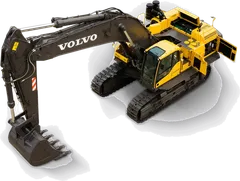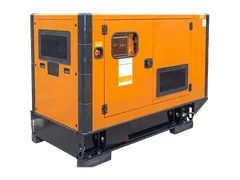
You have two quotes for the same excavator or generator, and the numbers look far apart. Often the machines are the same and the quotes simply cover different things. This guide lists what is included in an equipment rental rate, what is often charged on top, and the question to ask about each cost line before you accept.
What does a daily, weekly or monthly rate buy?
A rate has two parts: a hire period unit (a day, a week or a month) and an expected amount of use inside that unit. The use is usually written as working hours. For a machine such as an excavator, it may also be a number of working days in the month.
So "daily rate" does not mean "the machine for 24 hours". It means the machine for one agreed working day. Hours beyond that need their own rule.
Watch out. If the quote does not state the working hours the rate covers, ask. Without that number, you cannot know what happens on a long day.
Does a longer hire period lower the rate?
A longer period often changes how the rate is built. For instance, a monthly rate may cover a set number of hours across the month rather than each day. That can help or hurt, depending on how evenly you use the machine.
Never assume a longer period is cheaper per day. Ask about any minimum hire period, and ask what happens if you return the machine early or keep it longer; see extensions, early return and deposits.
What is usually included in an equipment rental rate?
Most rates cover the machine itself, in working condition, with its standard attachment such as a standard bucket. Routine servicing is also commonly inside. Where the machine type needs inspection, ask for its current inspection papers and their expiry dates whatever the rate covers.
Even these differ between suppliers. One who rents machines bare and one who rents with operator and fuel will quote different rates for the same machine. So "what is included" is a question for every quote, never an assumption.
Which costs are often charged separately?
The table below is a cost-line map. Read the middle columns as "common", not "certain". The last column is the question that settles it.
| Cost line | Often inside the rate | Often separate | Ask the supplier |
|---|---|---|---|
| Machine | Yes, for the agreed period | Special attachments | Which attachments come with it? |
| Working hours | A set number per day or month | Hours beyond that set number | How many hours does the rate cover? |
| Operator | Yes, in a "wet" or operated hire | In a "dry" or bare hire you supply your own | Is the operator included, for how many hours, and what certificate does he or she hold? |
| Fuel | Sometimes | Often, billed by use or supplied by you | Who supplies fuel, and who pays? |
| Transport to site | Rarely | Commonly, priced by machine size and distance | Is moving the machine in both directions quoted? |
| Insurance | Varies | Varies | What cover applies, and what does it leave out? |
| Maintenance | Routine service, often | Wear items and damage | What counts as normal wear? |
| Idle or standby time | Depends on the agreed rule | Often charged in full or in part | Are idle days charged? |
| VAT | Stated either way | Stated either way | Does the quote say included or excluded? |
Note. Wet hire usually means the machine comes with its operator. Dry hire usually means the machine alone. Suppliers use the words differently, so ask what they mean by them; see wet hire vs dry hire.
Wear items and damage
Consumables and wear items, such as cutting edges, tracks, tyres and filters, may be charged to the hirer. So may damage beyond normal wear. Ask what counts as normal wear, and photograph the machine at handover so both sides start from the same record.
How do working hours and overtime change the cost?
Hours are where a rate most often stops matching the invoice. Read three things in the quote:
- The hours the rate covers per day or per month.
- How extra hours are charged, and whether night or weekend work counts differently.
- How hours are counted: on the meter, or from the time the machine is on site.
For example, say a rate covers eight working hours a day and your crew works ten. The extra two hours are either already covered, charged by the hour, or charged as a part of another day. Each rule gives a different total, so get it in writing before the work starts.
Summer working-hour limits and site rules differ by project, site owner and municipality. Confirm them first, because they decide how many hours you can use.
What happens when the machine is idle or broken down?
Idle time has several causes, and each may be treated differently:
- Standby: the machine is on site but waiting for access, materials or a decision.
- Rain or site closure: work cannot happen for reasons outside both sides' control.
- Breakdown: the machine cannot work because of a fault.
For each, the agreement should say if the time is charged, partly charged or credited. Whether time lost to a fault in the machine itself is charged is for the agreement to say, so do not assume either way. Ask what the supplier does, and how fast a replacement or repair is arranged.
How do transport and site distance change the total?
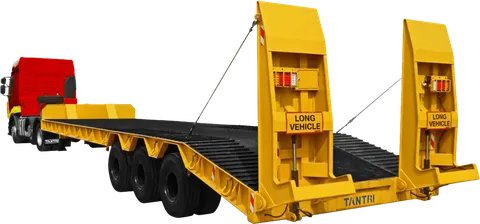
Mobilisation and demobilisation mean moving the machine to site and back again. They are commonly priced separately from the rate, and they depend on the size of the machine and the distance to your site. A heavy machine usually needs a lowbed trailer, and a small one may travel on a lighter truck.
Check these points:
- Is transport quoted one way or both ways?
- Who unloads at site, and who provides the crane or ramp if one is needed?
- What happens if the site is not ready when the truck arrives?
A low rate with separate transport can cost more than a higher rate that includes it. For the transport side, see the pre-trip checklist for moving a machine by lowbed.
What should I ask before accepting a rental quote?
A common mistake is comparing only the headline rate. For example, Quote A covers the machine alone, and Quote B covers the machine, operator and fuel. B may look dearer and still cost less once A's missing lines are added. Fix it by asking A's supplier to price every line B includes.
Use this list on any quote, for an excavator, a generator from power equipment, or anything else.
- How many working hours does the rate cover, and how are extra hours charged?
- Are the operator, fuel, insurance and maintenance inside the rate?
- Is the quote for hire with operator or the machine alone?
- What is charged for moving the machine to site and back?
- How are standby, rain, site-closure and breakdown days treated?
- What counts as normal wear, and what damage is charged to me?
- Does the price include VAT or exclude it?
- Is there a minimum hire period, and what changes if I keep the machine longer or return it early?
On VAT, name it and ask. How it applies to your hire should be confirmed from ZATCA guidance or with an accountant, not guessed. Once the answers are clear, put them in the agreement; the equipment rental contract checklist covers the terms to agree.
How to do this on Maedah
Put the details that change a price in your request, so every supplier quotes the same job: the machine, dates, city and site, and requirements such as a driver or insurance. See what to write in an equipment rental request for the full list.
Each quote shows what the supplier says is included. Read those lines against your requirements in the side-by-side view, and ask about anything left blank. For the comparison itself, see how to compare rental quotes on the same terms. Agree price and payment directly with the supplier you choose.