Say one used machine has low hours but an older year, and another is newer with many more hours. This guide is for the buyer who must choose between them. Hours vs age on used heavy equipment cannot be settled by a score. It shows how to test the hour reading, what to ask for on excavators, generators and lifting equipment, and how to compare both machines on evidence.
What does the hour meter actually count?
On most machines an hour meter counts the time the engine is running. What triggers it differs by model: engine running, key on, or a drive or lift function in use. Ask which applies. It does not count the work done in that time, and idling usually counts as running.
So two machines can show the same hours and be very different. One may have idled for long periods, waiting on site, and done little work. The other may have worked hard all day. The second has far more wear on the engine, hydraulics and drive parts.
Hours show use only when you also know how the machine was used. The rest of this guide is about getting that evidence.
What does age add that hours do not show?
Some parts wear because of time, not use. They age even when the machine is parked.
- Seals, hoses and belts harden and crack.
- Rubber parts dry out.
- Wiring and electronics degrade, and connectors corrode.
- Paint fails and rust starts, especially on a machine kept outdoors.
A machine that stood unused for long periods is not "like new" because the hour meter is low. Its ageing parts may be due for replacement. A low-hour, older machine can also be the better buy, if it was kept in good condition and the time-based parts were replaced. You find out by looking, not by assuming.
How do I check that the hour reading is believable?
A reading can be wrong. Meters get replaced, fail, or are tampered with. Treat the number on the dash as a claim to check, not a fact. Dealers and supplier workshops can often compare it with the hours stored in the engine controller, where the machine has one.
- Ask for the service records. Oil and filter changes are usually logged with the hours at the time. The last entry should be close to the current reading.
- Read the service stickers on the engine, the filter housings and the cab. They often show the hours of the last service. Check that the sticker is recent and in the same hand or format as the others.
- Look at the wear. Pedals, seat, joysticks, switches, steps and handrails wear with use. On tracked machines, look at tracks and sprockets. On wheeled machines, look at tyres.
- Ask about the meter. Has it been replaced or repaired? If so, ask for the paperwork that shows the hours before the change.
- Divide the hours by the machine's age in years. Compare the result with what the seller says about its use. A big gap in either direction, such as a few hours for an old machine, needs an explanation.
- Compare the story. The hours, the records and the wear should tell the same story.
Watch out. If the wear looks much heavier or lighter than the hours suggest, stop and ask why. Do not accept "the meter was changed" without a record.
How do hours and age compare for excavators, generators and cranes?
The same hours mean different things on different machines. Use this table to decide what to ask for.
| Machine | What hours tell you | What to ask for as well |
|---|---|---|
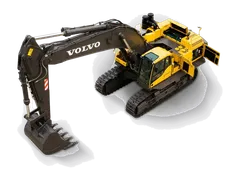
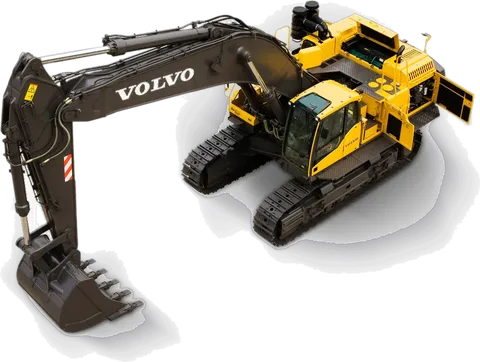
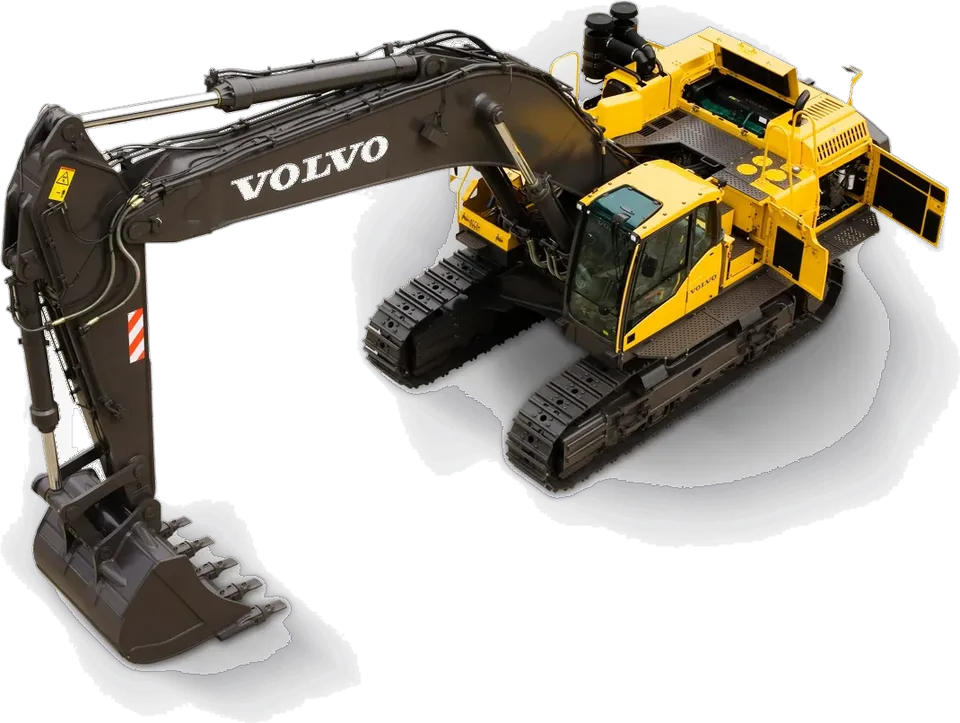
| Excavators | Engine time, including idling while the operator waits | Service records, hydraulic condition, wear on undercarriage and bucket linkage. |
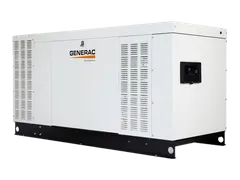
| Generators | Engine running time, at any load | Load history and service records: hours at light load are not the same as hours at high load. |
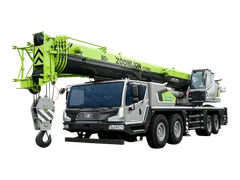
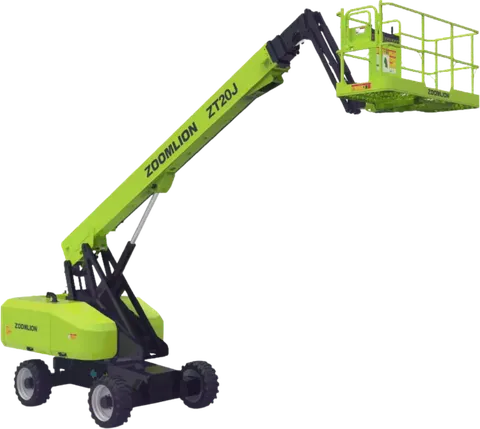
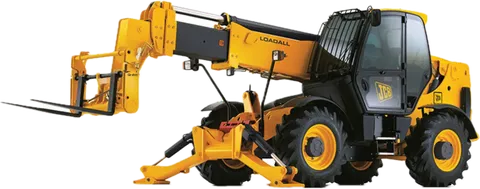
| Lifting equipment (cranes, lifting platforms, forklifts) | Engine or drive running time | Inspection and certification history, and whether parts are still easy to find for its age. |
For excavators, the hour meter is only the start of the check. For the full walk-round, use the used excavator inspection checklist.
A generator that ran at light load for most of its hours is not the same as one that ran near its limit. Ask whether it was used for standby or as the main power source; prime, standby and continuous ratings explains the difference.
For cranes, lifting platforms and forklifts, age matters in extra ways. It affects the structural inspection, the certification, and how easily parts are found. A low-hour machine can still be hard to certify or repair if parts are scarce.
Never put a used lifting machine to work on hours alone. Inspection and certification requirements differ by site owner, municipality and insurer, so confirm them before use; see what to check on lifting equipment inspection certificates. Also check that the load chart and rated capacity markings are present and readable.
Hours vs age vs maintenance history: which matters more?
Maintenance history is usually the strongest signal. Regular oil and filter changes, and recorded repairs, say more than either number alone. A machine with high hours and complete records can be a safer choice than one with low hours and no history.
Conditions also matter. These age a machine faster than the same hours in easy conditions:
- Hot climate.
- Dust and sand.
- Hard rock or abrasive ground.
- Heavy duty cycles, such as continuous digging or lifting near capacity.
In Saudi Arabia, heat and dust are part of normal working conditions. Ask where the machine worked and how it was kept. The guide on dust, sand and overheating explains what these do to a machine and what good care looks like.
Note. No single hour or age number is "good" for every machine type. Compare against similar machines of the same model, and against the manufacturer's service intervals.
A simple way to compare two machines
Do not score the two numbers. Put the evidence side by side. For example, Machine A has low hours and is older. Machine B is newer with higher hours. Ask the supplier the same questions about both:
- Do the service records match the hour reading?
- Were oil and filter changes done on schedule?
- Which time-based parts, such as hoses, seals and belts, were replaced?
- What conditions did it work in, and how was it stored?
- Does the wear on controls, tracks or tyres match the hours?
- For lifting equipment, is the inspection history complete?
Then decide:
- Drop any machine whose hours you cannot support with records or wear.
- Prefer the machine with the clearer maintenance history.
- List what each one will need next: replacement of ageing parts on A, worn components on B.
- If it is still close, ask a qualified mechanic or inspector to check both before you commit. Fluid sampling and a test run under load add evidence.
For the wider process, see buying used heavy equipment, step by step. If you are not sure used is right at all, read new vs used heavy equipment. The running cost of each machine is covered in what drives heavy equipment operating costs.
How to do this on Maedah
On Maedah you can browse machines for sale and for rent in one place. Each listing shows photos, specs and city. When you contact a supplier, ask for the hour reading, the service records and, for lifting equipment, the inspection history.
Not sure what is available? Post a request with the machine, the city and your requirements. Suppliers who offer that category and serve that city can answer with a quote. Compare them side by side, and agree price and payment with the supplier.