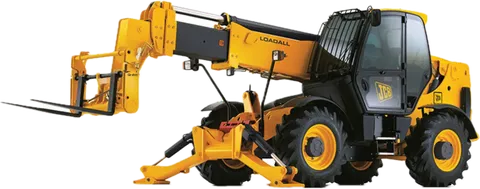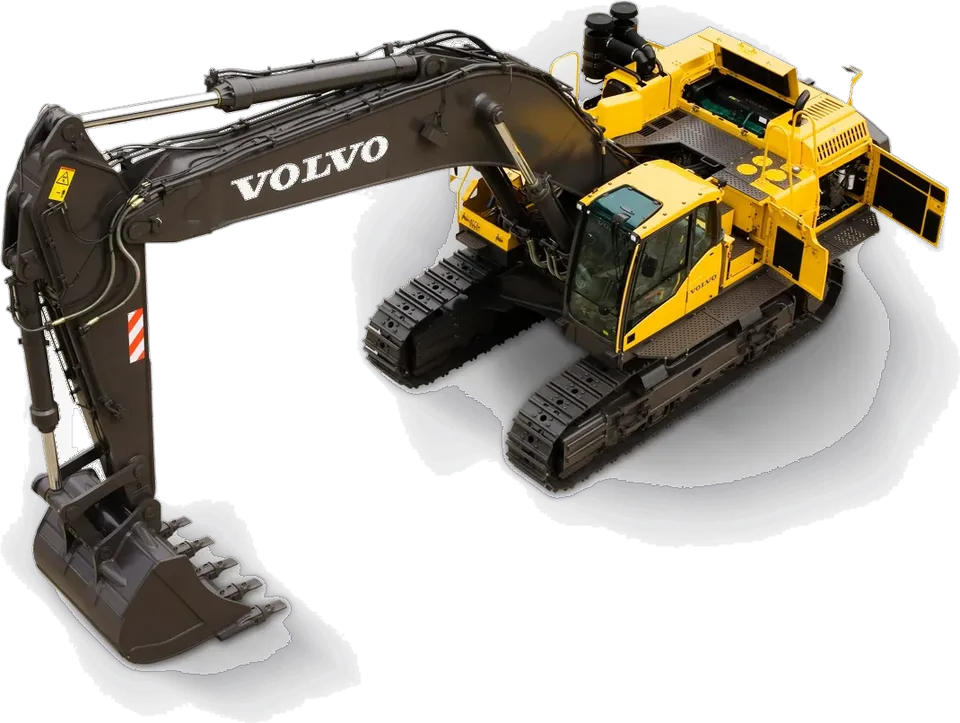
This guide is for contractors, workshop owners and fleet managers who have decided to buy used heavy equipment in Saudi Arabia. Each step ends with a stop-point to prove before you go on. Not sure yet? Start with rent or buy or new or used.
Step 1: What job will this machine do, and what must it be able to do?
Write down the hardest task the machine must do: the load, reach or digging depth, and the working hours per month. Add the site conditions, such as soft ground, narrow access, heat and dust, and what must come with it, such as a bucket or forks. Size the machine to the hardest task, not the average one.
Stop-point: a one-page specification. Every machine is measured against it, not against the seller's description.
Step 2: Where do I find used machines, and how do I shortlist them?
Used machines usually come from these sellers, each with a different risk:
| Seller | What to watch |
|---|---|
| Dealer | Whether the dealer owns the machine or sells it for someone else. |
| Rental company selling a fleet unit | Hard use by many operators, but fleets often keep service records. |
| Owner-operator | A known history, but records may be thin. |
| Contractor selling after a project | A quick sale, and finance that may still be attached. |
| Auction or liquidation sale | Little time to inspect, and terms that may leave no recourse. |
Shortlist three to five machines. For each one, check:
- Does it meet your specification on paper? Compare make, model, year, hours and what is included.
- Can you get parts and service for this make and model in your city? Ask a local dealer or workshop before you travel.
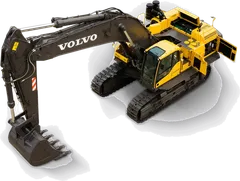
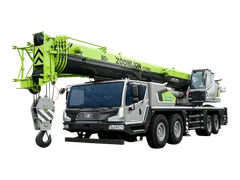
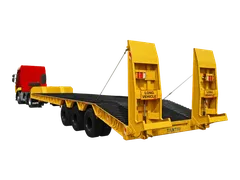
Browse machines for sale in excavation equipment, lifting equipment or transportation equipment.
Stop-point: a shortlist where every machine meets the specification on paper.
Step 3: What do I ask the seller before I travel to see it?
A short call can remove machines before you travel. Ask:
- Why is it being sold, and what work has it done: type of job, shifts per day, which sites?
- Are service records and an oil analysis report available, and who did the servicing?
- Has it had major repairs, and is there any finance or pledge on it?
- For lifting equipment: is there a current inspection certificate, and when does it expire?
- Can the seller send photos of the plate and the ownership papers?
Ask the seller not to start the machine before you arrive, so you see it start from cold. Step 4 shows which refusals mean walk away.
Stop-point: the answers are consistent, the seller has the papers and agrees to a cold start. If anything is vague, remove the machine.
Step 4: How do I inspect it: cold start, walk-around, working test?
Photograph the serial or chassis plate while you are there; Step 5 checks it against the papers.
Inspect in two parts, in this order.
- Static walk-around, engine off. Go through the checks below before the first start.
- Working test. Watch the engine start from cold, then have a competent operator run every function through its full range, with the area kept clear.
On the walk-around, look for:
- Oil and coolant leaks, fluid levels and colour.
- Cracks in the structure and welds.
- Worn pins and bushes, loose play in joints, tyre or track wear.
- Repainted or repaired areas.
For machines that worked in sand and heat, also check the air filter, intake and radiator fins for packed dust.
A warm engine can hide hard starting, smoke and slow hydraulics. In the working test, watch for slow or jerky hydraulics, unusual noise, overheating, warning lights, and steering or brakes that feel wrong. Let the operator work the machine under real load, such as digging, loading or driving, and watch the temperature gauge. Lifting equipment is tested only within its marked capacity.
Service records and an oil analysis say more than the hour meter: see hours vs age. For excavators, use the used excavator inspection checklist.
Watch out. Never load-test a crane, forklift or lifting platform beyond its marked capacity or chart. Any load test is for a qualified operator, following the manufacturer's load chart and the site's rules.
Tip. If you are unsure what you are looking at, bring a mechanic or operator you trust, or hire an independent inspector.
Sort every finding:
| Walk away | Fix or price in |
|---|---|
| Ownership or finance you cannot confirm | Wear items such as tyres, tracks, pins and bushes |
| A serial number that does not match the papers, until the issuer of the paper corrects it in writing | Minor leaks, and dusty filters or radiator fins after cleaning |
| Cracks in the boom, arm, chassis or other load-bearing structure, unless a qualified engineer or workshop confirms in writing they can be repaired | Lifting machine without a current certificate: only if a competent person inspects and certifies it before it works, and you price that in |
| A seller who refuses a cold start | Repairs a trusted workshop has estimated in writing |
| A seller who will not share records or plate photos, with no clear, verifiable reason | Missing keys or manuals, if the agreement covers them |
Stop-point: you have seen a cold start, completed the walk-around and operated every function under work. Every defect is written down and sorted, and the plate is photographed.
Step 5: What proof of ownership and condition do I need?
Read the serial or chassis plate on the machine against the sale documents. The numbers must match exactly. Confirm in writing who owns the machine and whether any finance or pledge applies to it. If the seller is not the confirmed owner, ask for written authority and verify it with the owner directly. See proving a used machine is the seller's to sell.
Some machines, such as road-going trucks and trailers, are registered. For others, ownership is shown by the sale documents, so ask your lawyer what proves it for your machine.
Requirements differ by machine type and project, so ask the site owner or your insurer what you need before mobilising. For lifting equipment such as cranes, forklifts and lifting platforms, also ask for the current inspection certificate with its expiry date (see what to check on lifting equipment inspection certificates), and the manufacturer's load chart for that exact machine and configuration. Without a current certificate, it is not ready to work until a competent person has inspected and certified it, and you should price that in.
Stop-point: the serial number on the plate matches the papers, the owner is confirmed in writing, and no unresolved finance is attached.
Step 6: What should the written agreement and handover cover?
Agree everything in writing before you pay anything, including a deposit. The agreement should list:
- The machine: make, model, serial number and hours at inspection.
- What is included: attachments, forks, keys, manuals and spare parts.
- The agreed condition, the defects you noted, and the price and payment terms.
- Whether it is sold as seen or with any warranty, and what happens if the handover check finds something different from the agreement.
- Who arranges transport and who carries the risk while it moves.
- The date and place of handover, and when ownership passes.
At handover, check the machine against the list. Start it again, confirm the serial number, collect keys and manuals, and take dated photos and the hour-meter reading.
Before you pay:
- Pay only to an account in the confirmed owner's name, and keep the proof of payment.
- Where possible, pay a small amount to hold the machine and the balance at handover, after the check passes.
- Keep every receipt or tax invoice. Ask your accountant what ZATCA requires on it.
- Confirm the transfer steps before you pay, with the municipality, the relevant authority or your lawyer, depending on the machine.
After handover:
- Plan a first service soon, so you know what has been done.
- Ask your insurer when cover must start, at handover or before transport.
- For a road-going machine, ask the traffic authority what registration is required before it is driven.
Stop-point: the signed agreement matches what you saw, and the handover check matches the agreement.
What other mistakes do first-time used-machine buyers make?
- Buying on price alone. A cheap machine that waits for parts or a technician can cost more than a dearer one with local support.
- Letting the seller choose the test site and time. A clean, flat yard does not show how it works on real ground. Choose the place and time, and test on work like yours.
How to do this on Maedah
You can browse listed machines for sale as a guest. Each listing shows photos, specs and city, so you can shortlist against your specification. If nothing fits, post a request with the machine, quantity, city and any requirements. Suppliers who offer that category and serve that city can answer with quotes.
Maedah does not inspect or certify machines or suppliers.