This guide is for a contractor or site manager who has to rent a generator for temporary power. It follows one sequence, from "we need power" to a set that is delivered and running. It settles the points that most often go wrong on delivery day: the wrong rating, no fuel, and no one to connect the set.
How to rent a generator: what do I need to know first?
Four things decide the whole job. If you can answer them, every supplier can quote the same machine.
- The load. The total power your equipment will draw. Work this out with the method in how to size a generator: kVA, kW and power factor. Do not guess from the size of the site.
- The supply type. The voltage, the number of phases (single or three) and the frequency. The public grid in Saudi Arabia is normally 60 Hz, but some imported tools and motors are built for 50 Hz, so check the nameplates and tell the supplier.
- Hours per day. A set running 24 hours is a different job from one running one shift.
- Number of days. A long hire raises the question of servicing, covered below.
Tip. If you are unsure of the load or the supply, ask your electrician or the supplier's technical contact before you request quotes. A wrong guess costs more than a short call.
Which details go into the rental request?
Put the four answers above into the request, plus the practical details. The more complete the request, the fewer follow-up calls you need. What to write in an equipment rental request covers the general form.
For a generator, include:
- Required kVA, voltage, phases and frequency (60 Hz is the usual figure).
- Hours per day and expected hire period.
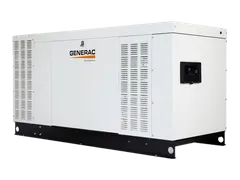
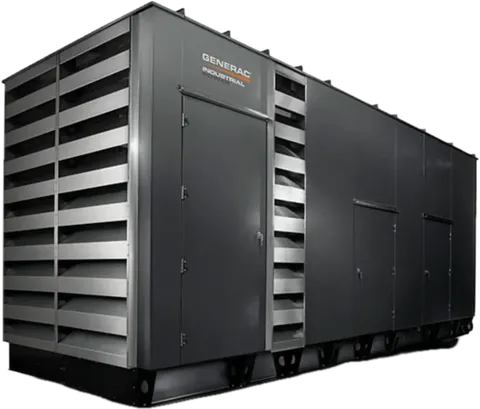
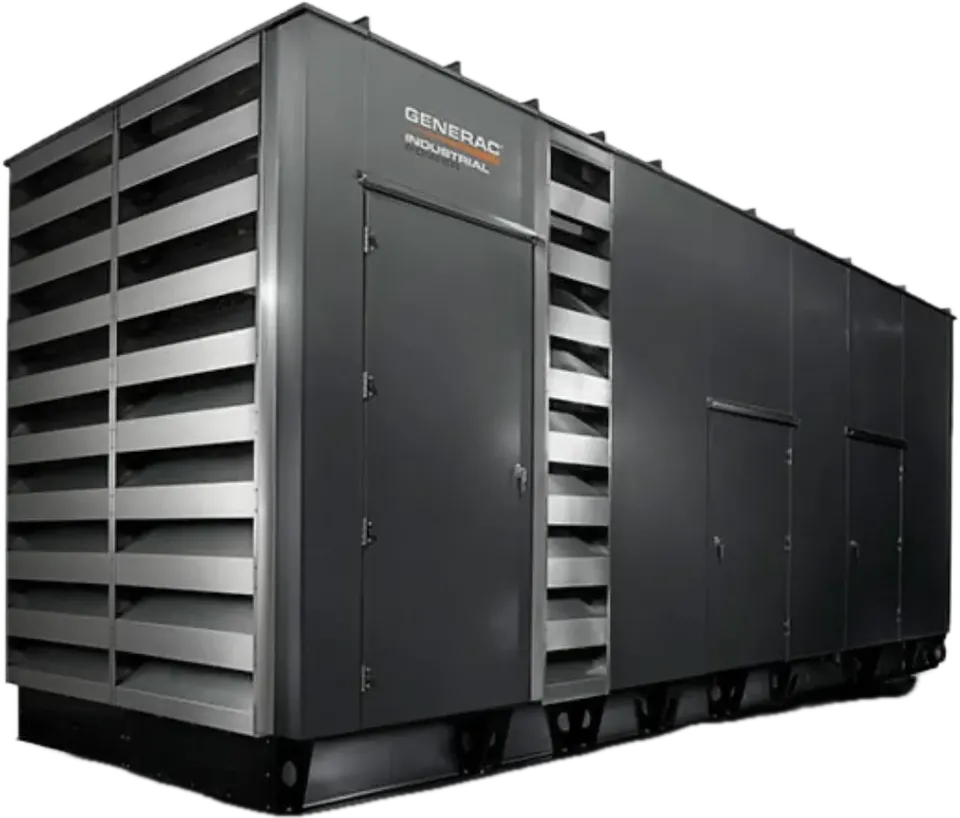
- Silent (canopy) or open type, if you have a preference. Silent sets matter near neighbours, offices or camps; see silent vs open generators.
- The city and the site location.
- Whether you will supply fuel or want the supplier to.
- Whether you need the supplier to connect the set, or your own electrician will.
- A backup set, if a stoppage would be costly.
What should a generator quote state?
Two quotes can both say "100 kVA" and describe different machines. Ask every supplier to fill in the same points. Then you can compare them on the same terms, as described in how to compare equipment rental quotes.
| The quote must state | Why it matters |
|---|---|
| Rating basis: prime, standby or continuous | A standby kVA figure is not meant for long daily running. See prime, standby and continuous ratings. |
| Voltage, phases, frequency | The set must match your equipment. |
| Rating at site conditions | Output can drop in high ambient heat. Ask whether the kVA figure holds at your site temperature. |
| Silent or open | Noise, weather protection and security usually differ. |
| Fuel arrangement | Who supplies it, and how the level is checked at return. |
| Service arrangement | Who does routine servicing during a long hire. |
| Backup or replacement set | What you get if the set fails. |
| Hire period | When the hire starts and ends, and whether days the set stands idle still count. |
| Delivery and collection | What is included, and who unloads and positions the set. |
| Cable, connection and earthing | These are often excluded. Ask directly. |
A quote that leaves out a row is not cheaper. The missing item will be settled later, and often at your cost. Put the table into your request so every supplier answers the same questions.
Who supplies the fuel, who services the set and who connects it?
These three are the most common source of disputes. Write each one down.
Fuel. The hirer can supply it, or the supplier can. Either way, the agreement should say how the fuel level is recorded at handover and checked at return. If you store fuel on site, look at fuel tanks, and confirm the storage rules with the supplier and the site owner. Refuel only with the engine stopped and cooled, away from ignition sources.
Service. A generator on a long hire needs routine servicing. Ask who does it, how often, and whether the set is taken out of use while it is done. If your job cannot stop, ask for a backup set.
Connection. Connecting the set to the site distribution is work for a qualified electrician. Ask who provides the cable, the connection and the earthing. The quote may exclude them, and a set that arrives with no one to connect it is a day lost. If the set must take over from mains automatically, read ATS and paralleling.
Note. For the general terms of a hire contract, use the rented machine handover, arrival and return checklist alongside this guide.
How will the generator reach the site, and where will it stand?
A generator is heavy. Ask the supplier for its weight, its lifting points and how it is unloaded: crane, loader, forklift, or tilt-bed truck. Have the right equipment ready on site, so the truck is not waiting. Any lift follows the supplier's instructions and a lift plan, using the marked lifting points only.
The place it stands matters just as much:
- A flat, firm base that will not sink or tilt.
- Good drainage, so water does not collect around the set.
- Clearance around the set for cooling air to enter and hot exhaust to leave, as the manufacturer specifies.
- Room to reach the fuel point, the doors and the controls.
In Saudi heat and dust, cooling air matters even more. Do not stack material or park vehicles near the air inlet and exhaust, and confirm site access with the client before the truck is sent.
Watch out. Exhaust gas is poisonous. Never run a generator in a closed room, cabin or tent, and keep the exhaust away from air intakes and places where people work or sleep.
What do I check when the generator arrives?
Do the check before the truck leaves, with the driver or supplier's representative present. Compare the machine with the quote.
- Read the nameplate: kVA, voltage and phases must match the quote.
- Read the hour meter. It lets both sides agree how much the set has run, so write the starting reading in the handover note and have both sides sign it.
- Check the fluid levels: fuel, engine oil and coolant.
- Look for visible damage, leaks and loose panels.
- Confirm the safety guards, the emergency stop and the earthing point are present and undamaged.
- Photograph the set from all sides, and record the date.
If anything does not match, say so at once and write it down. Do not accept the set and raise it later.
Watch out. Do not connect the set yourself unless you are a qualified electrician. Leave the connection to the person named in your agreement.
What if the generator stops during the job?
Ask these before you sign:
- Will the supplier provide a replacement set, and how soon is it normally possible?
- How do I report a fault, and to whom, at any hour?
- Who is responsible for a stoppage caused by fuel running out?
- Who does routine servicing during a long hire?
A simple example: say your site runs a concrete batching plant that cannot lose power mid-pour. A backup set, or a clear replacement arrangement, is worth asking for. A small workshop with hand tools may accept a slower replacement.
How to do this on Maedah
Post one request for a generator: kVA, voltage, phases, hours per day, hire dates and the site on a map. Describe the fuel arrangement and connection in the request description. Suppliers who offer generators and serve your city, for example Riyadh or Jeddah, send sealed quotes. They line up side by side, with what is included and the supplier's response time. Use the table above to check each one, ask questions in the quote chat, and agree price and payment with the supplier you accept.