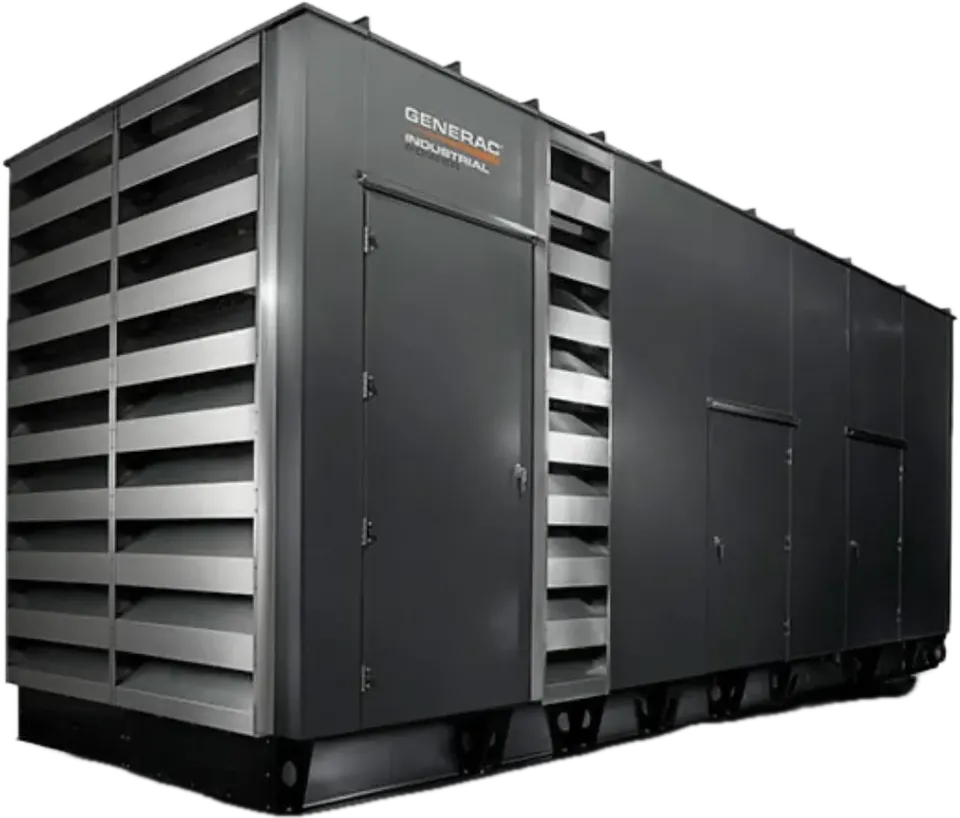
You are the supervisor or planner who must keep a hired generator running through a shift, a night or a week, and a stopped set stops the whole site. This guide turns the data sheet into a runtime estimate, helps you choose where the fuel is stored, and gives you a refuelling routine and a fuel log. It assumes a diesel set, the usual site generator, and does not cover choosing the generator size.
How long will my generator run on a tank?
The method has two inputs and one division:
- Find the usable tank volume. This is less than the full size, because you keep a reserve.
- Find the set's fuel consumption per hour at your real load.
- Divide the first by the second.
Runtime in hours ≈ usable tank volume ÷ consumption per hour at your load.
Take an invented example. These numbers are illustrations only, not data for any real generator. Say the data sheet shows 25 litres per hour at your load, and the tank holds 1,000 litres. You decide to keep a quarter of the tank as reserve, so 750 litres are usable. That gives 750 ÷ 25 = 30 hours.
If your site works one 10-hour shift a day, that tank lasts about three shifts. If the set runs day and night, 30 hours is only a little over one day, so plan to refuel about once a day. Repeat the method with your own data.
Watch out. Do not plan to run the tank to empty. The bottom of the tank holds sediment and water, and running out can let air into the fuel system. Plan to refuel while a reserve remains.
Where do I find the fuel consumption at my load?
Use the manufacturer's data sheet for the exact set. Ask the supplier for it if the listing does not show it.
The data sheet typically lists consumption at set load levels, such as 50, 75 and 100 percent of the rating. Use the level nearest your real load, not the nameplate rating. A set carrying half its rating burns less fuel per hour than one at full rating, though not half as much, because the engine still burns fuel when the load is light.
Data sheet figures come from test conditions. Real consumption can differ, so compare the first shifts' actual fuel use with your estimate and adjust the plan.
To know your real load, add up what will actually run at the same time. The sizing method is in a separate guide.
Ask the supplier:
- Can you send the data sheet for this exact model?
- Which load level is closest to my real load, and is the figure for the prime or the standby rating (see prime, standby and continuous ratings)?
- How big is the built-in tank, and how much of it is usable?
- What fuel specification does the engine expect?
Built-in tank, extra tank or tanker: which fits the job?
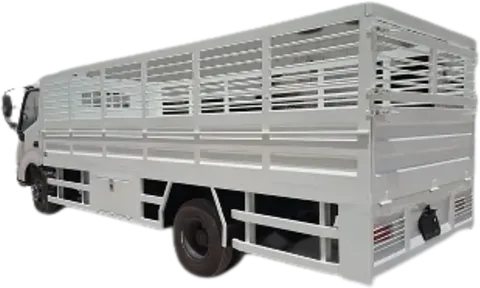
Fuel tanks and fuel tankers for site use are separate hire categories from generators. Depending on the supplier, you may be able to hire them with the set or on their own.
| Option | Best for | Watch out for |
|---|---|---|
| Built-in tank | Short jobs, one shift or a few days, easy site access | You refuel often, so a missed visit means a stop |
| Extra fuel tank | Long runs, remote sites, fewer refuelling visits | Needs level ground and, where the site requires it, spill containment |
| Fuel tanker visits | Large or several sets, refuelling without moving the set | Delivery timing must fit your shifts; confirm the tanker operator's own safety rules |
Choose by working backwards. Decide how often you can accept a refuelling visit, then check that the tank covers that gap with a reserve. If it does not, add storage or shorten the gap. Spill containment, safe distances and storage rules differ by site, so ask the site owner what applies before a tank arrives.
How do I plan refuelling so the set never runs dry?
Turn the runtime into a schedule, then add a margin. In the example above, a set running day and night has 30 usable hours. Setting the refuel point at 18 hours gives a visit every day with fuel to spare, and a late delivery still leaves hours before the reserve is reached.
- Write the refuel time on the daily sheet, not only the runtime.
- Set a refuel point well before the reserve line, not at the reserve line.
- Name one person who checks the gauge each shift and records the level.
- Plan for the hardest day: the day with the highest load, not the average one.
- If a delivery can be late, keep enough fuel to cover one missed visit.
Agree in the rental terms who supplies the fuel, the hirer or the supplier. Also agree how the level is measured at handover and how the set is returned, full or as found. This varies by supplier, so get it in writing.
For night work, lights and tools may all run together; the guide to night lighting covers that side.
How do I check the real consumption?
Keep a simple fuel log, one line per refuel: date, hour-meter reading, litres added and who added them. Fill the tank to the same point each time. Then use this rule:
Real consumption per hour ≈ litres added ÷ hours run since the last fill.
For example, if a crew adds 300 litres after 12 hours of running, the set used about 25 litres an hour. If that is far from the data sheet, update the plan with your measured figure. A jump between two fills is also an early warning of a leak, a theft or a fault.
How do I refuel safely?
Follow the supplier's rules and the site's rules. A general routine:
- Stop the engine and let it cool before refuelling. Hot engine and exhaust surfaces can ignite spilled fuel.
- Allow no smoking and no naked flames nearby.
- Use a funnel or a proper nozzle, and do not overfill. Fuel expands when warm, so leave some space in the tank.
- Wipe up spills at once, and dispose of the cloth as the site requires.
- Keep a fire extinguisher nearby and make sure the person refuelling knows where it is.
- Close the cap, and record the amount added.
Note. Fire and fuel storage requirements differ by site and project. Ask the site owner or safety officer what applies before the first delivery.
How do I protect the fuel from water, dirt and theft?
Diesel can collect water and dirt in storage. Day-to-night temperature changes cause condensation inside a part-empty tank, which adds water.
- Keep tanks closed, and keep caps and filler points clean.
- Avoid leaving a tank half empty for weeks.
- Ask the supplier for the fuel specification the engine expects, and use only that.
- Do not refill from open drums or unknown sources.
- Lock caps where theft is a risk, and check the level before and after quiet periods.
What happens if the set runs for long periods at light load?
A generator that runs for long periods at very light load can build up deposits in the engine and exhaust. This is often called wet stacking. It can cause poor running and wear.
The fix is to match the set to the load. If a big set will carry only a small load most of the time, ask the supplier whether a smaller set fits better. If the load is small by day and large at times, ask whether two smaller sets can run together, which needs sets and controls suited to running in parallel; see paralleling. The hiring guide lists more questions to ask before you book.
How to do this on Maedah
Put the fuel plan in your request:
- The generator, with the load it will carry and the hours per day.
- Whether you need an extra tank or a tanker, and the site's access and ground.
- The city, the site on the map and the dates.
- Who supplies the fuel, and how it is measured and returned.
You can browse generators as a guest first. Sealed quotes arrive side by side: compare tank size and fuel terms, and ask in the chat before you accept. You agree price and payment with the supplier directly.