A machine that ran well in winter can stop twice a week in July. This guide is for supervisors, operators and owners of diesel machines and generators who want to know why. For each path it gives the first sign of heavy equipment overheating, dust damage or a clogged air filter, a check for the start of the shift, and the point where you stop work.
Why do heat, dust and sand damage machines faster in Saudi conditions?
Hot air carries less heat away, so a machine must move more air to stay cool. Dust and sand block that air and wear moving parts. The two problems feed each other, so check all three paths below, not just the engine.
| Path | What goes wrong | Daily check | First warning sign | Stop rule |
|---|---|---|---|---|
| Air intake | Dust passes the filter or blocks it | Filter indicator, hoses, clamps | Weak power, more smoke, filter warning | Do not run with a missing or damaged filter or a loose clamp |
| Cooling package | Fins pack with dust, leaves or mud | Look at radiator and coolers from both sides | Temperature gauge climbs sooner than usual | Stop on any temperature warning |
| Moving parts | Grit grinds pins, bushes and tracks | Wipe nipples before greasing, clean undercarriage | New noise, looseness, faster wear | Report a new noise or looseness the same day. If you cannot tell how serious it is, stop |
How does overheating start, and what warning signs come first?
An engine and a hydraulic system both reject heat through coolers and a radiator. Air must pass through the cooling fins to carry that heat away. When the fins are packed with dust, leaves or mud, the air cannot pass, and the temperature rises even when the coolant level is correct.
Early signs are easy to miss:
- The temperature gauge reaches its usual level sooner than before.
- The cooling fan runs harder or longer than usual, on machines where you can hear or see it.
- Hydraulic functions feel slower as the oil warms.
- A warning light or alarm shows on the dashboard.
A temperature warning is a stop-and-investigate signal. Lower the load and park safely. Let the engine idle briefly if the manual allows it, and shut down as the manual says. Then find the cause. Keep hands and tools clear of the fan and belts while the engine is running.
Watch out. Never open a hot radiator or coolant cap. The system is under pressure and the coolant can scald. Wait until the machine has cooled, and follow the manual.
Common mistake: working on "just to finish the job" while the gauge rises. This is how a cooling problem becomes an engine repair. Fix: stop early and report it to your supervisor or the supplier.
How do you keep the radiator and coolers clean and the coolant right?
At the start of every shift, look at the radiator, the oil cooler and any air-conditioning condenser. Check both sides of the package, because dust can pack from either side.
Clean the fins by the method the manual describes. Some manufacturers allow low-pressure air or low-pressure water. Others warn that a hard jet bends the fins. If the manual is not on the machine, ask the supplier. Do it with the engine off and cool, wear eye protection and a dust mask, and keep water and air jets away from electrical parts and the air intake.
Coolant also matters:
- Coolant is a mix of water and coolant concentrate. The mix the manufacturer specifies protects against corrosion and boiling.
- Topping up with plain water, again and again, dilutes that mix and weakens the protection.
- If you keep adding coolant, there may be a leak. Report it instead of topping up every day.
For the full daily routine around this check, see daily walk-around inspection and defect reporting.
How do you protect the engine air intake and air filter?
Engines need clean air. Dust that gets past the filter wears the cylinders like sandpaper, and a blocked filter starves the engine of air. Both show up as weak power, so do not blame the fuel first.
Many machines have a restriction indicator on the filter housing or a warning on the dashboard. In dusty conditions a filter may need servicing much sooner than the calendar suggests. Follow the indicator and the manual, not the date.
- Check the indicator or dashboard warning every shift.
- Look at the intake hoses for cracks and check that the clamps are tight.
- Empty the dust cup or dust valve if the machine has one.
- Service or replace the filter as the manual says, and keep the housing clean when you open it.
Watch out. Never run an engine with a missing or damaged filter, or with loose intake hose clamps. Dust then enters the engine unfiltered, and the damage is done quickly.
What else suffers: hydraulics, batteries, fuel, grease points, tracks and tyres?
Heat and grit reach more than the engine.
- Hydraulics: hot oil is thinner and wears seals and pumps faster. Keep the oil cooler clean, check the level, and report slow or weak functions.
- Batteries: heat shortens battery life. Check terminals for corrosion and check fluid levels more often in summer, where the battery type allows it.
- Fuel: dust and condensation can contaminate fuel. Drain the fuel filter's water separator where one is fitted and the manual lets the operator do it.
- Grease points: sand and grit are abrasive. Wipe each grease nipple before greasing, so dirt is not pushed into pins and bushes.
- Tracks and undercarriage: clean off packed material. It adds wear to rollers, links and sprockets.
- Tyres: heat raises tyre pressure and stresses the tyre. Check pressures by the manual when tyres are cold.
What changes for generators and compressors in hot, enclosed or dusty places?
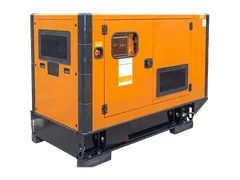
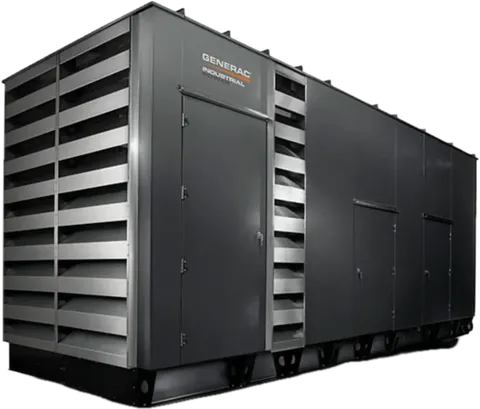
Generators and compressors are often placed in a corner, a cabin or an enclosure, and then forgotten. They need clear airflow to work.
- Keep the cooling air inlet and outlet clear. Do not stack materials, covers or fencing against them.
- Do not let hot exhaust air be drawn back into the intake. In a tight space, this recirculation raises the temperature quickly.
- Remember that rated output is stated for reference conditions. Very hot ambient conditions can mean reduced available output. Ask the supplier what output to plan for on your site.
Sizing and fuel are separate topics. For runtime and refuelling, see generator fuel planning.
How can scheduling and parking reduce the load on machines?
You cannot change the weather, but you can change how hard the machine has to work in it.
- Plan the heaviest, longest work for the cooler parts of the day where the job allows it. Requirements on working hours differ by project, site owner and municipality, so confirm them before you plan.
- Where practical, park machines so the cooling air inlet is not facing wind that carries dust, and away from piles of loose material. The manual shows where the inlet is.
- Clean packed dust off at the end of the shift once the machine has cooled, by the method in the manual, so it does not set overnight.
For the wider planning question, see planning machines around Ramadan and summer schedules.
How to do this on Maedah
If you are renting, post one request for the machine type, such as excavation equipment or power equipment, with your city, site and dates. In the chat tied to a quote, say the work is hot and dusty and ask the supplier to confirm the filter and cooling condition.
When quotes come back side by side, compare what is included, and ask about service history, spare filters and who handles a breakdown. Agree these points with the supplier before booking. If a rented machine stops, read what to do when a rented machine breaks down.