Your end date has not moved, but your usable hours have. This guide is for site managers and contractors in Saudi Arabia who must turn a Ramadan or summer work schedule into a machine plan. It settles three things: how many machines you need, whether to add a night shift, and what to write in the hire request.
How do Ramadan and summer change working hours on site?
Ramadan follows the Islamic lunar calendar. It starts about ten to eleven days earlier in the Gregorian calendar each year. So you cannot copy last year's dates. Plan from the dates confirmed for the current year.
The two seasons are different problems. Ramadan mainly changes the clock and crew availability. Summer mainly changes what machines, people and concrete can take.
Working hours in Ramadan, and any summer restrictions on outdoor work, come from official rules, the client and your contract. They can change. Confirm the current rules for your project before you fix the schedule. Do not plan from hours you heard on site or read in an old document.
Before you fix the schedule, get these answers from the client and your contract:
- The site working hours for each period, and who confirms changes in writing.
- Any restriction on outdoor work in the hot months.
- Whether a second or night shift is allowed on this site.
- Delivery and collection rules for trucks and low-loaders (see the delivery section below).
Then work out how many hours each machine can really work per day, and when. Everything below depends on that answer.
How do shorter or shifted hours change the number of machines?
A machine's output depends on its usable hours per day. Use this first estimate: machine-days = hours of work for the task ÷ usable hours per machine per day. It is roughly proportional. Set-up, refuelling and handover time mean real output will differ a little, so add a margin.
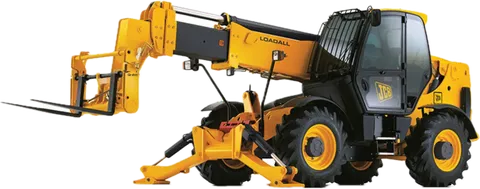
For example, say a trench job needs 60 excavator-hours of work and you planned it for 10 days at 6 hours a day. If usable hours drop to 4 a day, the same job needs 15 days with one excavator. To keep 10 days, you need a second excavator or an extra shift.
Choose between the options like this:
| Option | Good when | Watch out for |
|---|---|---|
| Same machines, longer programme | The end date can move | Later start for the next trade; longer hire period. |
| More machines | The date is fixed and the site has room | Space, traffic, operators, supervision. |
| Night shift | The date is fixed and the work can be done safely in the dark | Lighting, noise, fatigue, a second set of operators. |
The guide on how to estimate how many machines a project needs shows the method.
Tip. Check that each machine still has material, space and an open working area before you add more.
What does night work need, and what should you ask the supplier?
Night work needs more than switching the machine on. Plan:
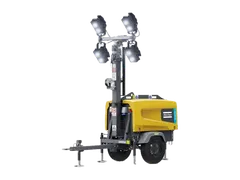
- Tower lights, so the whole work area and the machine's path are lit.
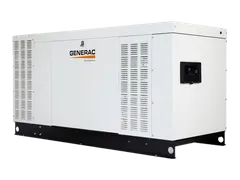
- Power for the lights: many tower lights carry their own engine and fuel tank; others run from a separate generator. Ask which you are getting, who fuels it and how often.
- A marked work area, with barriers, signs and clear walkways for people on foot.
- A check on any noise limits near homes. They can come from the municipality, the client or the contract, so ask before you commit to night work.
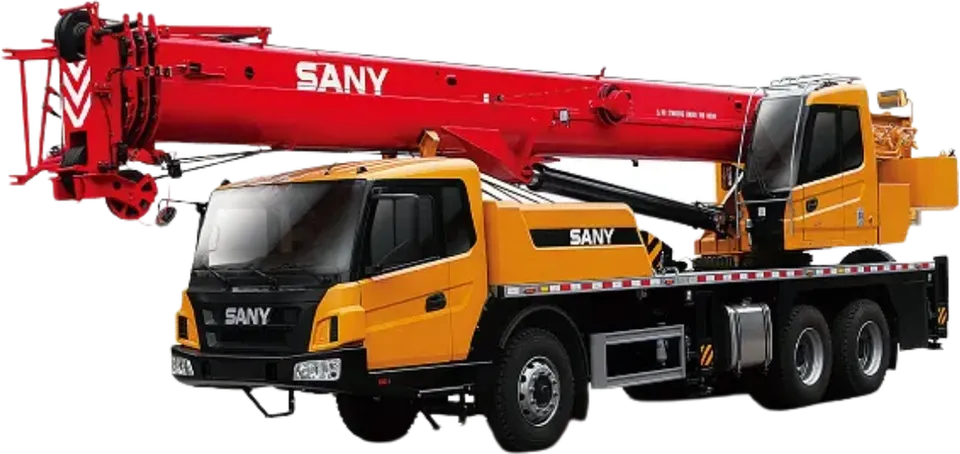
- High-visibility clothing for everyone on foot. Any lift at night still needs its normal lift plan and the manufacturer's load chart.
See tower lights for night work for how to plan the light itself. Browse tower lights and generators on Maedah.
Ask the supplier before the machine arrives:
- What does one hire day or one shift include, in hours?
- Is a night shift treated as a separate shift?
- How are extra hours and overtime charged, and who records them?
- Are operator hours part of the shift, and do you need a second operator for the second shift?
- Who supplies the lights, the generator and the fuel?
- At shift handover, who refuels, checks the machine and records the hours?
- Who services the machine if it runs two shifts, and at what hour-meter interval? Two shifts add hours faster, so service falls due sooner.
- Who answers a breakdown call during Ramadan and the Eid holidays, and what are the supplier's own working hours then?
A night shift may be counted as a separate shift, not as extra hours on the same day. Get the definition in the quote, not in a phone call. The guide on what an equipment rental rate includes and leaves out lists the other terms to check.
How does heat affect machines, generators and people?
Engines and hydraulic systems run hotter when the air is hot. Dust blocks radiators and filters, which makes this worse. In summer, check coolant, oil levels and filters more often, and park machines in shade where you can. See dust, sand and overheating for a full routine.
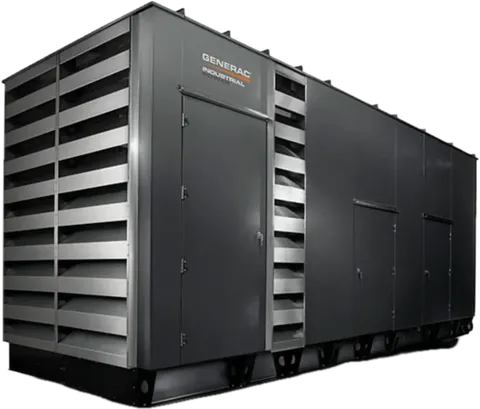
Generators lose output as ambient temperature rises. Do not rely on the nameplate alone. Ask the supplier for the set's rating at your site conditions, and ask what the set can carry at that rating.
People need a plan too. Provide shade, drinking water, and site coolers and fans for crews and rest areas. Heat controls belong in the site safety plan, and the client or site owner may set its own rules, so confirm them before work starts.
Which jobs should move to the cooler hours?
Move work that is hard on people, on materials or on machines. Use this as a first filter:
| Job | Why it suits the cooler hours | Who decides |
|---|---|---|
| Concrete pouring | Concrete sets faster in heat | Engineer and ready-mix supplier set the mix and curing plan. |
| Heavy manual work | Crews tire faster in heat | Site safety plan. |
| Long continuous machine work | Engines and hydraulics run hotter and operators tire, so plan breaks for checks and cooling | Supplier's maintenance advice and site safety plan. |
Do not move a job to the night only because it is cooler. If lighting or noise rules make it unsafe or not allowed, keep it in the day.
Do deliveries and collections have to move too?
Yes. A machine on a low-loader needs time to arrive, unload and be checked before it earns anything. Limits on heavy vehicles can differ by city, road and project, so ask the site owner, the supplier and the transport company which windows apply. Then:
- Book arrival early in your usable window, so the machine can work that day.
- Name who receives it at the gate and who signs the delivery.
- Ask whether hire ends on your last working day or when the machine leaves the site.
- Plan the collection the same way, and keep the shift pattern in the same message.
Climate and logistics differ by city: see how regions differ across Saudi Arabia.
How to do this on Maedah
Open the request form. Add each machine with its quantity, set the city and site on the map, and enter the dates. State the shift pattern, the hours per shift and whether you need an operator for each shift. Add lights, generators or coolers to the same project request. Note that the dates may move if the confirmed Ramadan or summer rules change, and say if the project may be extended, so every supplier quotes the same job.
When sealed quotes arrive, compare them side by side: what each shift includes, how extra hours are handled, and who supplies the lights and fuel. Ask questions in the quote chat, and agree final terms with the supplier directly.