You are bringing a crane, a generator or crushing plant to a plant, pipeline, shutdown or construction job in Jubail or Yanbu. A machine without the right papers waits at the gate while the crew stands idle. This guide on equipment hire for a Jubail or Yanbu industrial city job lists what clients commonly ask for, and the order to sort it out.
How is equipment hire for an industrial-city project different from ordinary construction?
Jubail is an industrial city on the Gulf coast. Yanbu is an industrial city on the Red Sea coast. Both host large process plants and ports.
That changes who sets the rules. On an ordinary site, you and your supplier agree the terms. In a plant, the client is often an industrial operator with its own safety and contractor rules. Those rules apply to your machines, your drivers and your suppliers' staff.
Requirements differ by plant, site owner and insurer. Treat the client's list as the starting point of your hire plan, not as something you sort out at the gate.
What do plant owners typically require from machines and operators?
Industrial clients commonly ask for:
- current inspection certificates for lifting equipment
- evidence of operator competence
- a lift plan for significant lifts
- insurance cover
- a site induction before entry
The exact list differs by plant. Some clients ask for more, some for less, and some require their own approval of the supplier. Do not guess.
Ask the site owner for the list in writing before booking. Our guide on how to find out industrial site equipment requirements shows who to ask and what to get back. For lifting gear, see what to check on an inspection certificate.
Note. The client's list is the minimum, not the whole picture: legal and insurer requirements still apply. Ask the client, not a supplier, what applies, and write each item into the request as the client's requirement.
Which equipment is most often involved: cranes, power and aggregates?
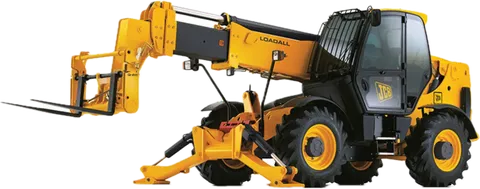
Three groups come up often on plant work, and a late or wrong choice in any of them can stop a job.
| Need | Typical use | Say this in the request |
|---|---|---|
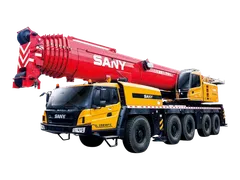
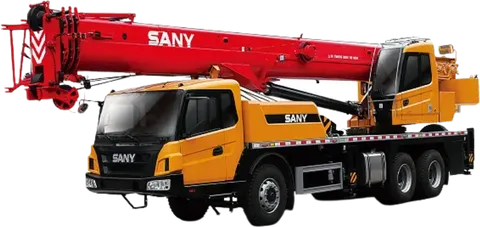
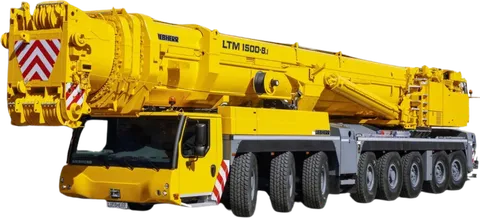
| Cranes | Setting vessels, steel and pipe racks, moving plant items | Heaviest load, radius, site ground, operator and rigger included or not |
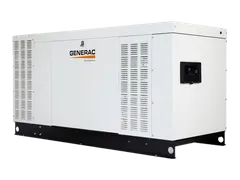
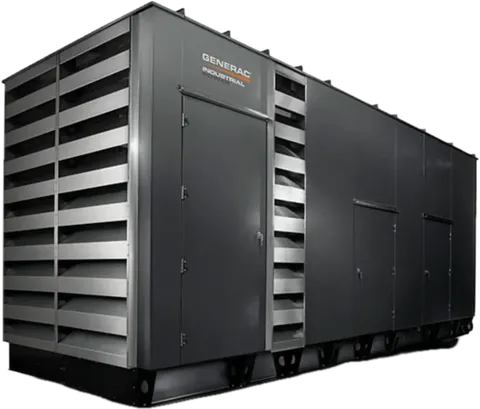
| Generators | Temporary works, welding, tools, commissioning | Connected load, standby or prime duty, fuel arrangement |
| Quarry and crushing equipment | Producing or handling fill, sand and crushed rock for roads, pads and concrete | Material, output needed, location |
Other machines join them, depending on the job. If you only need aggregate as a material, buying it delivered may suit better than hiring plant, so decide which you need before you post the request.
Why plan lifting with a written lift plan from the start?
A written lift plan states the load, its weight, the crane, the radius, the ground and the rigging for the lift. On plant sites, where lifts can happen near live pipework and other trades, it is one of the first papers a client is likely to ask to see.
Do not accept a heavy lift without one. If the plan does not exist yet, the crane choice is not final either. The crane lift plan checklist lists what to prepare before lift day, so we do not repeat it here.
Practical rule: ask for the plan when you ask for the quote. A supplier who cannot say who prepares it, and who signs it, is a risk to your schedule.
How do you plan power for temporary works and commissioning?
Size the supply from the real connected load, not from the biggest generator on the lot. List every tool, light, cabin and pump that will run at the same time, and note large motors, because starting a motor draws more than running it. Then ask the supplier to confirm the set can carry the load, including starts. The method is in how to size a generator.
Then state the duty. A standby set and a prime set are rated differently:
- Standby is for backup when the grid fails, for limited running time.
- Prime is for a site that runs on the generator as its main supply.
Commissioning can need steady power for long periods, so say so plainly. The generator rental guide covers fuel and hire questions, and prime, standby and continuous ratings explains why the same set carries different kVA figures.
How do you avoid a machine being turned away at the gate?
Plants often use permit-to-work and gate-pass systems. Machines, drivers and operators may need to be registered ahead of arrival. Allow time for this in the schedule rather than treating it as a same-day step.
Avoidable reasons a machine can be held at a gate:
- A paper is missing, or expired.
- The name on the pass does not match the operator who arrived.
- The machine on the paper is not the machine on the truck.
- The induction was not booked.
Send one pack to the client's contact: the same full names on every paper, machine identifiers matching the machine that will travel, and certificates with expiry dates. Keep a copy on the machine.
If your supplier swaps a machine or operator, tell the client before the truck leaves.
Industrial-site readiness checklist
| Item | Ask whom | Done when |
|---|---|---|
| Client's equipment and operator rules | Site owner | You hold them in writing |
| Inspection certificates, with expiry dates | Supplier | Copies sent to the client |
| Operator competence evidence | Supplier | Names match the gate list |
| Lift plan for significant lifts | Supplier and your lifting lead | Reviewed before lift day |
| Insurance cover | Supplier and your insurer | Client accepts the papers |
| Site induction | Site owner | Booked for each person |
| Gate pass and registration | Site owner | Time allowed in the schedule |
| Generator load and duty | Your electrical lead | Written in the request |
| Aggregate material, output, location | Your site team | Written in the request |
How to do this on Maedah
Open the request form and post the job once. Add the machines and quantities, the city and site on the map, and the dates. In the requirements, set what the client asked for, such as driver, insurance, TÜV inspection or Aramco approval, so suppliers see them before they price.
Compare the sealed quotes side by side: what is included, response time and rating. Use chat on the quote to ask for papers. Maedah does not check them for you, so confirm every paper with the supplier. Agree price and payment with the supplier directly.