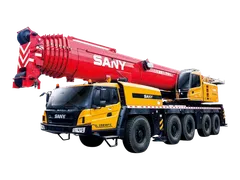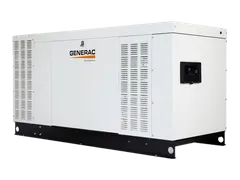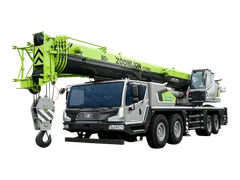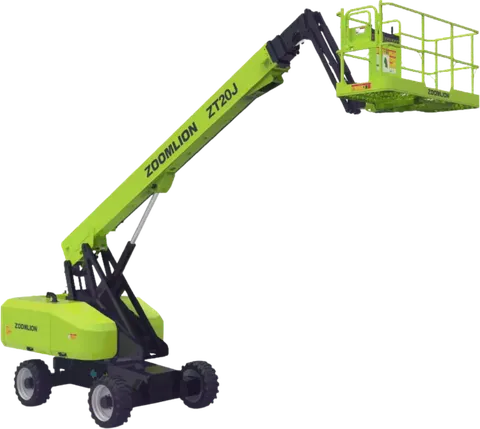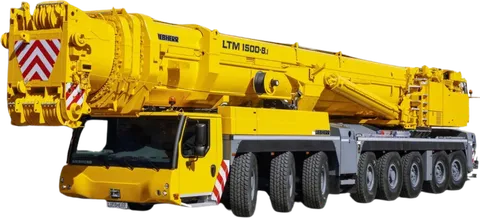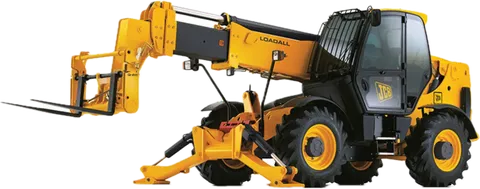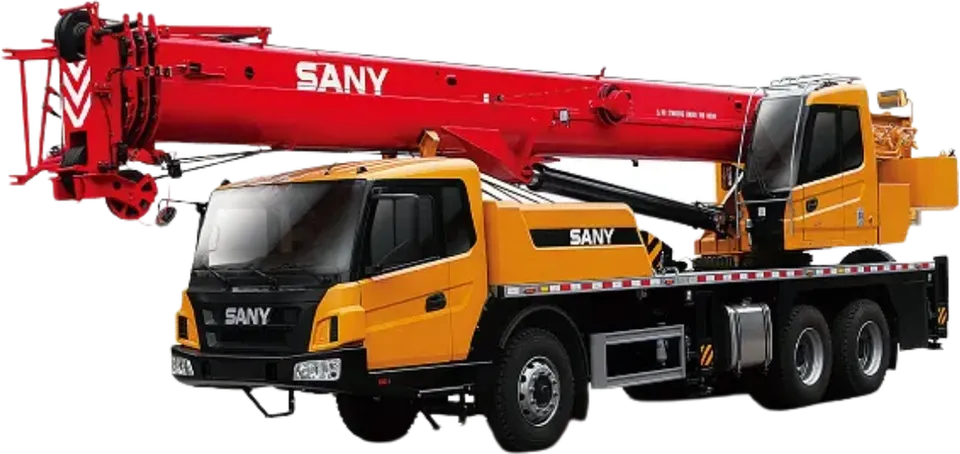
You are about to bring a rented machine into a plant, refinery or other client-controlled site, and do not know what the gate will ask for. Industrial site equipment requirements differ from site to site. The list that applies to you is usually held by the site owner or your main contractor. This guide gives you the questions to send, then turns the answers into a request.
Why do industrial site equipment requirements go beyond an ordinary site?
Industrial and other client-controlled sites run their own entry rules. Their safety and contractor-management teams decide what a machine, an operator and a company must show before work starts. The reasons are practical: live plant nearby, fuel and process hazards, and the client's own safety and insurance obligations.
So there is no single checklist you can print and trust. Requirements differ by site owner, project and insurer. Get them in writing from the people who control the gate, before you mobilise.
Watch out. A machine that works on an ordinary site can still be turned away at an industrial gate. Find out before the truck leaves the yard, not at the gate.
Who do you ask, and what exactly do you ask?
Start with the site owner's contractor-management or safety team. If you are a subcontractor, go through your main contractor, who usually holds the contact. Ask for the requirements as a document or email, so you can forward it to suppliers.
Send the questions grouped by topic. Short questions are easier to answer than a long letter. Say what you plan to bring, so the site can answer for that machine and not in general.
| Group | Ask this |
|---|---|
| Machine and papers | Is there an age, model or condition limit? Please send your list of required documents and the format you accept. |
| Operator | What must the operator or driver show? Is a site induction needed? |
| Site rules | Which areas will the machine enter? Are there permits, speed limits or timing windows? |
| Lifting | Do you have your own lift-plan format? What must lifting accessories carry? |
| Fuel and noise | Are there rules on fuel storage, spill containment or noise? |
| Approval | What are the approval steps, who does them, and what do you need from us first? |
Ask the last row first. It tells you how to plan everything else. To send it as one message, copy these lines and fill in the words in parentheses:
- Subject: Entry requirements for (machine type) at (site name)
- We plan to bring a (machine type), (make and model), serial number (number), from (supplier name), with operator (name), from (start date).
- Please send your list of required documents, the format you accept, and the steps to approve the machine and the operator.
- Please also tell us about permits, restricted areas, lift-plan format, and fuel or noise rules.
- Thank you. (Your name and company)
Which machine documents are commonly requested?
Documents usually fall into these groups. Ask for the site's own list, because yours may miss something the site needs or include something it does not.
- Ownership or registration: proof the supplier owns the machine or may hire it out.
- Inspection: for lifting equipment, a current third-party inspection certificate such as TÜV, with its expiry date.
- Insurance: evidence of cover for the machine and the work.
- Operator papers: qualifications and identity (covered in the next section).
- Maintenance records: service history showing the machine is kept in good order.
A certificate is only useful if it is current and refers to the machine you are actually getting. Match the serial number on the paper to the plate on the machine, and check the expiry date covers the whole hire. For what to look at on a lifting certificate, see what to check on lifting equipment inspection certificates.
Tip. Ask the supplier to send photos or copies of the documents before you commit. A supplier who cannot send them quickly may not have them in order, so ask why.
What do operators and drivers usually have to show?
Sites commonly ask for proof of the operator's qualifications for that type of machine, valid identity, and often a site induction before the first shift. Some sites also want to see the operator's experience on similar equipment.
Do not assume the supplier's operator is already accepted. Ask whether the site approves each operator by name, because if it does, a replacement during the hire may need approval too.
Ask two things: what the site needs to see for each operator, and how fast a replacement can be approved. To judge the person yourself, read how to check an equipment operator's competence.
Which site rules change how the machine works?
Some rules do not stop a machine from entering. They change how it can work.
- Lifting: many industrial sites require a written lift plan for crane lifts, and lifting accessories that are marked and certified. Never skip the plan, the inspection or the manufacturer's load chart to save time. Ask early whether the client has its own lift-plan format. Then use the crane lift plan checklist to prepare the content.
- Restricted areas: some areas restrict ignition sources or vehicle movement and need a permit to work, which the site issues. Ask which areas the machine will enter, and who issues the permit.
- Fuel and noise: generators and fuel-carrying equipment can bring rules on noise, fuel storage and spill containment. Ask whether the site sets any.
- Access: gate times, escorts, routes and parking can limit when and how a crane or other large machine arrives.
For example, a supplier brings a mobile crane for a shutdown job. The crane has a valid certificate, but the area needs a permit and the client wants its own lift-plan form. Neither was known when the quote was written. The fix is to ask first, so the supplier prices the real job.
How long can approval take, and how do you plan around it?
Approval of a machine or an operator can take longer than your planned hire start. Nobody outside the site can tell you how long, so do not guess. Ask for the steps before you fix the date.
Then plan around it:
- Ask the site for the steps, the owner of each step, and what each one needs from you.
- Send the documents to the site as soon as the supplier gives them.
- Agree with the supplier, in writing, what happens to the hire period while the machine waits for approval.
- Keep a spare date. If approval slips, you can move the start instead of paying for an idle machine.
Without step 3, you may pay hire for a machine that is waiting at the gate, and the two sides may disagree about who owes it.
How to put the requirements into a Maedah request
Put the site's answers in one request so every supplier prices the same job. Add the machine and quantity, the city and site on the map, the dates, and requirements such as a driver, insurance, TÜV inspection, Aramco approval or Urgent. Add the site's own rules, such as a lift-plan format or a permit, as requirements in the request. For wording, see what to write in an equipment rental request.
Maedah does not inspect or certify machines or suppliers, so ask each supplier to confirm what it provides and show the paperwork before you accept. Compare the sealed quotes side by side for what each includes, not only the price.