You know how to plan a job in one part of the Kingdom, and now you must price another. This guide shows what changes in heavy equipment by region in Saudi Arabia, and what to ask before you request quotes.
Why does the same project need a different equipment plan in another region?
The Kingdom is large, and its regions differ in climate, ground, coastline and distance from the nearest port. A machine that suits one site may need a different specification, attachment or support vehicle at another. Four things move with the site:
- Climate: heat, humidity, dust and rain.
- Ground: rock, sand, fill or soft soil.
- Coast: salt air near the Red Sea or the Gulf.
- Distance: how far the machine travels to reach you.
The sections below describe general patterns, not rules. Use them as questions to ask, not answers to assume. For one city in depth, follow the links to the city guides.
Central region (Riyadh): what changes inland?
Inland sites typically see more dust and larger daily temperature swings. Dust loads air filters and radiators faster. High ambient heat reduces the cooling margin of engines, generators and compressors.
In practice this means condition matters more than age:
- Ask when the air filters and radiator were last cleaned or changed.
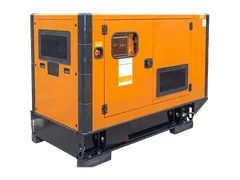
- For generators and compressors, ask about derating in high heat and whether the unit will sit in the shade or in a canopy with open airflow.
- Plan the working day around the hottest hours, as covered in planning machines around Ramadan and summer schedules.
Big cities can also bring access limits, such as narrow streets, restricted hours for large vehicles and gated sites. The Riyadh site planning guide goes deeper on the city, and the Riyadh page shows what is listed there.
Western region (Jeddah, Makkah, Madinah, Taif): what does salt air change?
Sites near the Red Sea are typically more humid and salt-laden than inland sites. Salt air speeds up corrosion of exposed steel, electrical connections and unpainted parts.
When the site is near the sea, ask the supplier:
- Has this machine worked near the coast, and how is it protected?
- What is the condition of exposed pins, electrical connectors and any bare metal?
- Who cleans and inspects the machine during a long hire?
The salt-air points apply mainly to Jeddah, Yanbu and the rest of the Red Sea coast. Makkah, Madinah and Taif are inland, so filters and cooling matter there too. Taif's hills and the crowded centres of Makkah and Madinah can add slopes, tight streets and busy periods that affect when large vehicles can move. Read the Jeddah site planning guide for coast and port questions, and equipment planning in Makkah and Madinah for the two holy cities.
Eastern region (Dammam, Al Khobar, Jubail): Gulf coast, industrial clients and soft ground
The Gulf coast shares the humidity and salt of the west, so the corrosion questions above apply here too. This region also has many industrial sites, where the client may set its own safety, inspection and approval requirements. Ask the site owner for those requirements early, and put them in the request. Industrial cities on both coasts, Jubail and Yanbu, are covered in equipment for Jubail and Yanbu industrial projects.
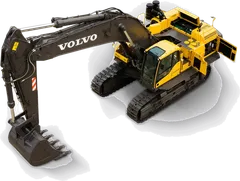
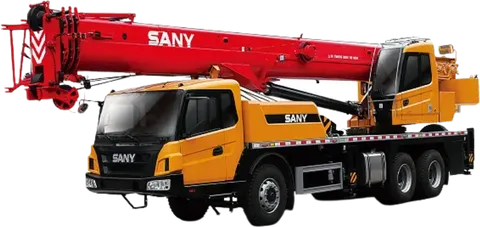
Ground needs care. Salty sabkha soil, loose sand and fill can sit close to the shore. A machine that is fine on firm ground may bog down or settle on soft ground. For excavators, ask about track width and ground pressure. For cranes, ask who checks the ground under the outriggers or tracks, and make sure it is covered in the lift plan.
Note. Ground differs by plot, not by city. Hard rock close to the surface, loose sand, sabkha or fill can all occur within one region. The soil investigation report for your plot decides the excavation method, not the name of the region.
See excavation equipment for the machines used on this kind of work, and the Dammam page for listings in the area.
Tabuk and Abha: distance, hills and rain
Both can be a long way from the main ports and the large equipment yards. That can make transport a bigger part of the hire, and a breakdown may take longer to fix. Ask where the supplier's service support is based.
In Tabuk, winter nights can be much colder than in the central region. Ask about cold-start readiness, the right fluids and heating where relevant.
Higher ground in the south-west (Asir, around Abha) has hills, steeper access roads, cooler temperatures and seasonal rain. Check these before you book:
- Gradients: can a loaded trailer climb and brake safely on the access road?
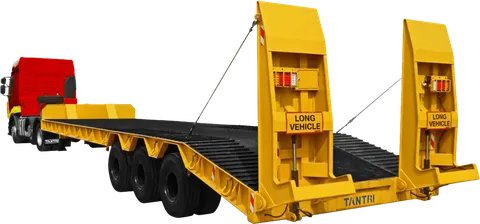
- Turning space: long or low vehicles, such as lowbed trailers, need room to turn and to unload.
- Wet ground: rain can soften a site that was hard last week.
- Altitude: engines, generators and compressors can deliver less power at higher altitude, so ask the supplier for the unit's rating at the site's height and size it with that margin.
A wadi (dry valley) can flood suddenly after heavy rain, even when the weather at the site looks clear. Do not park machines, cabins or generators in a wadi bed. Choose higher ground for storage and overnight parking.
For work in Abha, look at the Abha page and ask suppliers how they plan to reach you.
What should you re-check when a project moves between regions?
Use this table when you copy a request from one region to another. For example, a generator request copied from Riyadh to Jeddah keeps its filter and cooling questions and gains questions about corrosion on the control panel and connectors.
| Re-check | Why it changes | What to ask or change |
|---|---|---|
| Cooling, filters, dust | Heat and dust at inland sites; humid heat on the coast; less power at altitude | Filter and radiator condition; canopy and airflow for generators and compressors |
| Corrosion protection | Coastal sites: humid, salt-laden air | Condition of exposed steel, electrical connections and unpainted parts |
| Ground and method | Rock, sand, sabkha and fill vary by plot | Soil report; tracks or tyres; track width; ground checks under outriggers |
| Access roads and turning | Hills and steep roads in the south-west; busy city streets | Gradients, turning space, vehicle length and height, allowed hours |
| Flood risk | Wadi beds can flood after heavy rain | Parking and storage on higher ground |
| Transport | Distance from the yard to the site | Mobilisation, return transport, trailer arrangements |
| Approvals | Site owner, municipality and insurer set their own rules | Access, permits and approvals confirmed before mobilising |
Requirements differ by project, site owner, municipality and insurer. Confirm them with the site owner before you move anything.
How far can a machine travel, and who pays for the move?
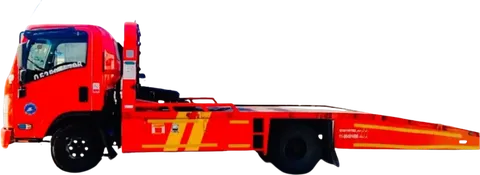
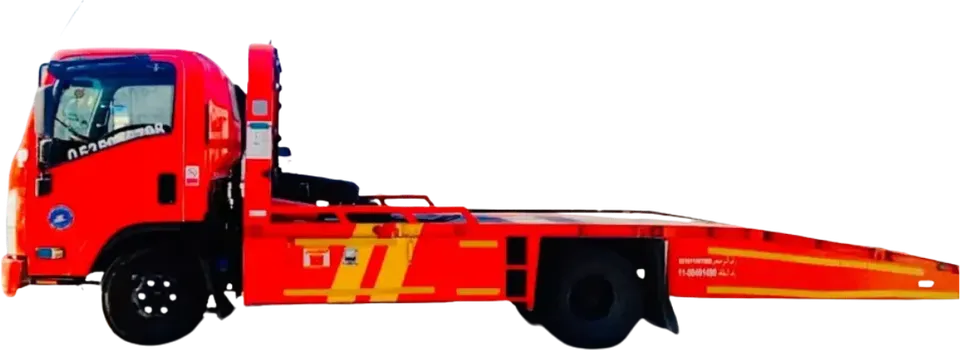
Distance from the machine's yard to your site is a real part of a hire. A supplier near the site may carry the machine on its own trailer. One farther away may need a hired lowbed and more time, and, if the load needs one, an oversize-load permit.
Quotes can look similar and still cover different things. Ask each supplier in writing:
- Is mobilisation to the site included in the price?
- Is the return transport included?
- Who arranges and books the trailer?
- Does the hire period start when the machine leaves the yard or when it arrives?
- What happens if the site is not ready when the machine arrives?
The answers differ between suppliers, so a lower price may only mean the move is left out. The port-to-site transport guide covers the move itself in more detail.
How to do this on Maedah
Post one request with the city, the site pin on the map, the dates and the machines you need. Add the requirements your region makes important, such as a driver, insurance or a client approval. In the notes, describe the ground, the access road and the distance to the sea.
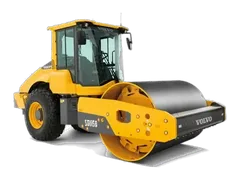
Sealed quotes line up side by side with what each one includes. Compare mobilisation and return transport first, then the rest. You can also browse power equipment or road and asphalt equipment before you post. Agree price and payment with the supplier you choose.