Often the certificate reaches you as a scan or a phone photo, close to delivery day, and someone must say yes or no. This guide is for the customer, site manager or safety officer who makes that call. It gives a fixed reading order for a lifting equipment inspection certificate (TÜV or another body) and lists the mismatches that keep the machine off the lift.
What is a lifting equipment inspection certificate, and why do clients ask for one?
Lifting equipment is inspected and tested by a competent person or an inspection body. A certificate or report records the result. It is written evidence that someone qualified looked at the machine and its safety-critical parts, and tested it where needed.
Clients ask for it so the site owner, the insurer and your safety team can see the machine's state before it enters the gate.
TÜV is the name of a well-known family of inspection and certification organisations. In this region people often say "TÜV inspection" for third-party inspection in general. Which bodies a client accepts varies, so ask the site owner or client.
Which equipment needs a certificate: machines, accessories, or both?
Both, in most cases. Think of two separate groups, each with its own paper. What exactly your client requires differs, so confirm it.
| Item | Examples | What to ask for |
|---|---|---|
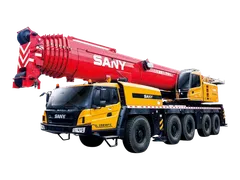
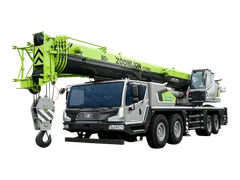
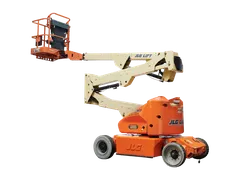
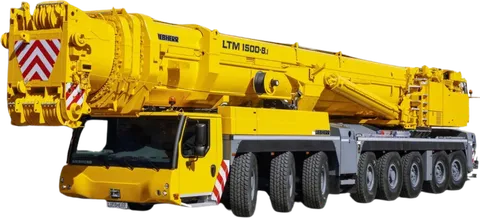
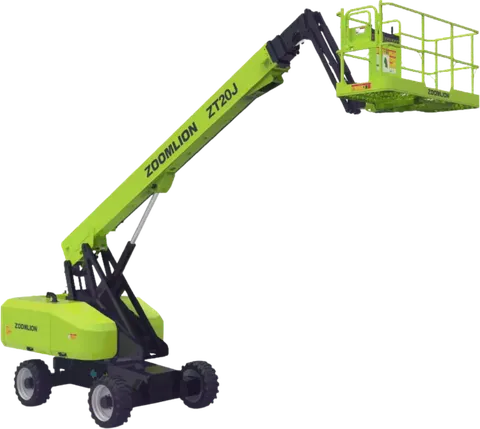
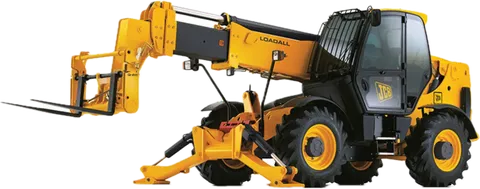
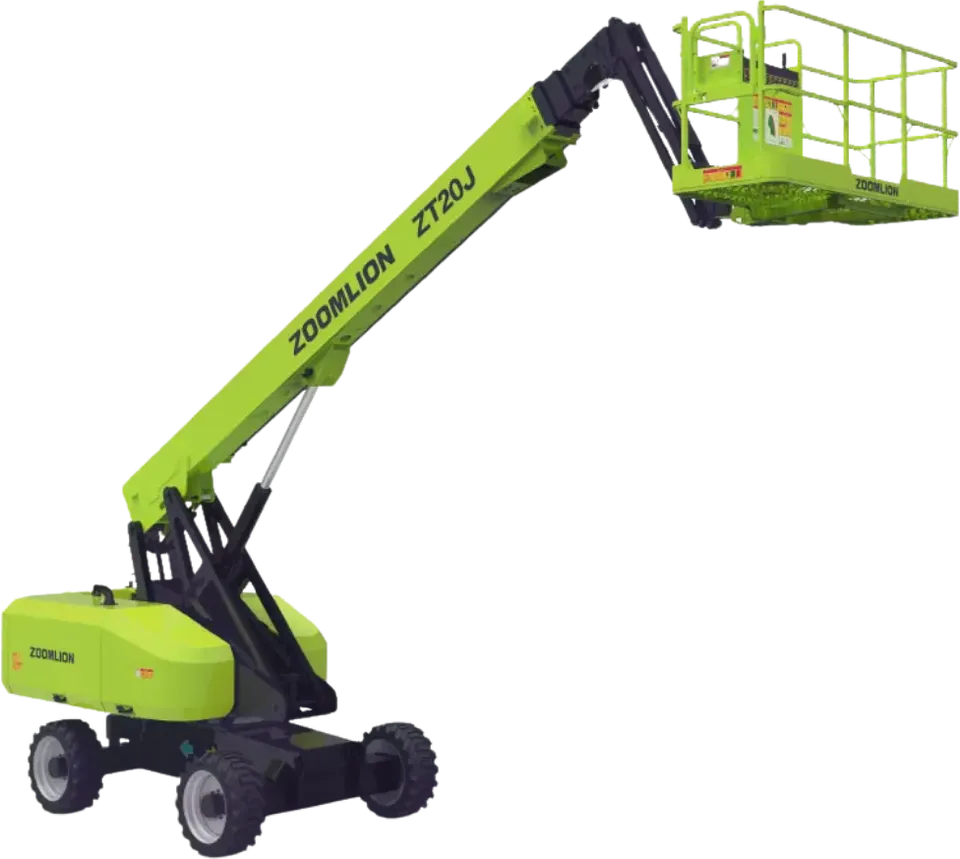
| Lifting machine | Mobile crane, tower crane, forklift, telehandler, scissor lift, boom lift | The machine's own inspection certificate |
| Lifting accessory | Slings, shackles, hooks, spreader beams, lifting beams | Its own marking and certificate or test record |
The most common gap is the second row. A supplier sends a clean crane certificate, and the slings on the hook have no record at all. If the supplier provides the accessories, ask for their records too. The marking and limits are explained in rigging basics: slings, shackles and working load limits.
How do you check that the certificate belongs to this machine?
Check identity first. A perfect certificate for the wrong machine is worthless.
- Ask for the full document, every page, not a screenshot of the first page. Scope, conditions and notes can sit on later pages.
- Find the plate on the machine itself. Photograph it.
- Compare make, model and serial or plate number on the certificate with the plate, character by character.
- If the machine carries a fleet or asset number, check that it matches too.
- Ask the supplier to explain any difference in writing.
Watch out. A certificate for a similar machine is not a certificate for this one. Same make and model with a different serial number means stop and ask.
Which dates and limits matter: inspection date, next due date, rated capacity?
Three things sit together on most certificates, and each can fail on its own.
- Date of inspection. When was the machine looked at? Check that it is a real date and not blank.
- Next due date or expiry. The certificate must still be valid on every day of your hire, not only on the day the machine arrives. A hire that starts one week before expiry leaves you without valid paper mid-programme.
- Capacity or working load limit. Compare it with your heaviest lift, and with the conditions of that lift.
How often lifting equipment must be re-inspected is set by rules, the manufacturer and the client. Ask what applies to your project instead of assuming a fixed period.
A crane's capacity changes with boom length, radius and outrigger setup, so one headline figure can mislead. Look for conditions attached to it, such as a maximum radius. For example, say your heaviest load is 12 tonnes at a long radius. A large total capacity on the certificate does not prove the crane can do that lift. The load chart answers that, as explained in the crane lift plan checklist.
How do you read the result, defects and conditions?
The wording differs between inspection bodies, but the result is usually one of three outcomes:
| Result | What it means for you |
|---|---|
| Pass | No defect that stops use was recorded on the day. Still read any notes, and check dates, scope and capacity. |
| Pass with conditions | The machine may work, but only within the limits written on the certificate. |
| Defects found | Something needs repair or follow-up. Ask what was done and ask for the proof. |
Read the notes section, not only the word "pass". A condition such as a reduced capacity, a banned configuration or a repair to be completed before use applies on your site. Make sure the operator and the lift supervisor have seen it.
A certificate that lists a defect and nothing else is an open question, not a pass. Ask what was repaired and whether a later sign-off shows it.
Also check who signed. The inspector's name, the issuing body, a signature or stamp and a reference number should all be present. If any is blank, query it with the supplier. Where you can, ask the supplier or the site owner to confirm the certificate with the issuing body.
What does a certificate not tell you?
A certificate shows the state of the machine on the day of inspection. It cannot tell you about the days since.
- Today's condition. Damage, leaks or wear since the inspection are caught by the daily walk-around inspection, not by the paper. For platforms, see scissor and boom lift pre-use checks and operating limits.
- The operator. A valid certificate says nothing about who is at the controls. See how to check an equipment operator's competence.
- The lift itself. Ground, radius, load weight and rigging are planned separately in a lift plan.
- Changes since the inspection. A major repair, a modification or an accident after the inspection can make the paper out of date. Ask the supplier whether anything like that has happened and whether the machine was re-inspected.
The common mistake is treating the certificate as permission to start. It is one gate among several. Keep it in the site file with the operator's papers, the lift plan and the daily check records.
What should you do if the certificate is missing, expired or unclear?
Do not let the machine lift while the question is open. These are the usual stop signs:
| What you see | Why it stops the lift | Ask the supplier for |
|---|---|---|
| Serial number differs from the plate | The paper belongs to another machine | The certificate for this serial number, or a written explanation |
| Expiry date falls before the hire ends | Part of the hire has no valid paper | A renewed certificate before the hire starts |
| Capacity is below your heaviest lift, or a condition you cannot meet | The machine may not be able to do the job | A larger machine, or the load chart for your exact set-up |
| Defects listed, no follow-up | The problem may still be open | Proof of repair or a later sign-off |
| No inspector, issuing body, signature or reference number | The document cannot be traced | A complete copy, ideally confirmed with the issuing body |
Then work through these steps in order.
- Write down exactly what is wrong, and ask the supplier for the correct certificate and the date it will arrive.
- Tell the site owner or client if their rules apply, and ask what they accept as proof.
- If the machine cannot be proven safe, send it back or hold it off the lift programme. Plan the delay rather than the shortcut.
Tip. Ask for the certificate before you accept the quote, not on the morning the machine arrives. A supplier who cannot send it early is telling you something. For the other checks on a crane hire, see how to rent a mobile crane in Saudi Arabia.
How to do this on Maedah
When you post a request, write the requirement in plain words: "current inspection certificate, with serial number, for the crane and its slings". Add TÜV inspection as a requirement if your client expects it.
When the sealed quotes arrive side by side, compare what each supplier includes. Then ask for the certificate in the quote chat and check it with the steps above. Suppliers list certificates on cranes, lifting equipment and man lifts. Maedah does not inspect or issue certificates, so agree the details with the supplier before you accept a quote.