You have drawings, a narrow gate and suppliers asking what to send. This guide is for owners, owner-builders and small contractors building on a tight plot. It sorts the equipment needed to build a villa into three groups: almost certain, job-specific and usually skippable. Start from what your access allows, not from a long machine list.
What does a villa build need, phase by phase?
A villa moves through a few clear phases. Each one calls for different machines.
| Phase | Almost certain | Only for certain jobs | Usually skip |
|---|---|---|---|
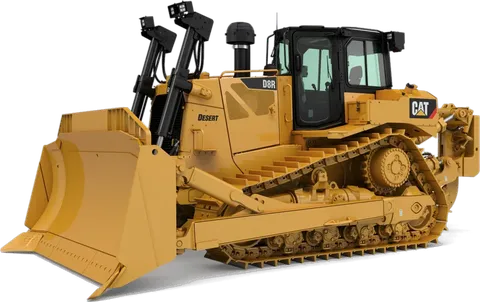
| Site preparation and excavation | Mini excavator, dump trucks | Backhoe loader (JCB), breaker | Large excavator |
| Foundations and backfill | Plate compactor or rammer | Water tanker for dust and curing | Heavy roller |
| Concrete structure | Mixer trucks, poker vibrator, formwork | Concrete pump | Tower crane |
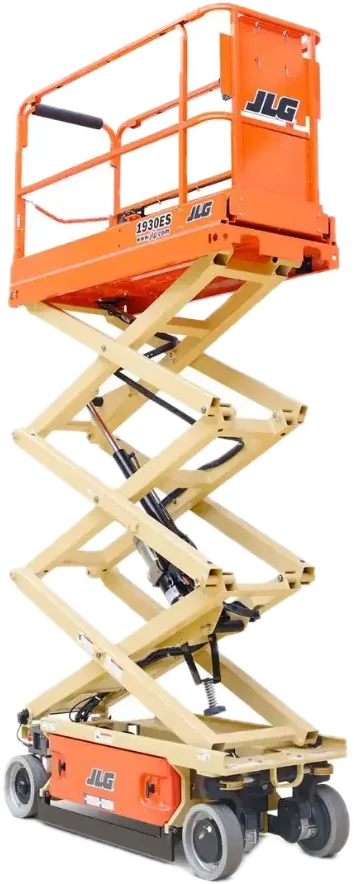
| Facade and finishing | External scaffolding | Telehandler or boom truck | Large mobile crane |
| Site support | Power supply, water, small cabin or store | Light tower for night work | Extra storage yards |
To turn this table into dated bookings, use how to plan equipment by construction phase. The sections below follow the same order.
How do the plot and the street limit machine size?
On a small plot, the largest machine that can enter often decides the method. Check four things before you hire anything:
- Gate width. Measure the clear opening and compare it with the machine's overall travel width, with tracks, tyres or outriggers retracted. Leave a margin and ask the supplier what margin they need.
- Street width and turning room. Check the truck can reach the gate and turn or reverse safely. Then ask the supplier for the working footprint once the machine is set up, including outriggers.
- Overhead cables. Look up. Cranes, pump booms, excavator arms and tipping trucks can reach cables, and contact can kill. Tell the supplier and the operator about every line near the site, and add a banksman where the operator cannot see the clearance (see banksman and exclusion zones).
- Neighbours' walls and buildings. A heavy machine or loaded truck close to a boundary wall or an open pit loads the ground and the wall. Ask the engineer how close it may work.
Watch out. Never raise a boom, bucket or tipper near overhead cables. Before work starts, ask the site owner and the electricity utility what safe clearance applies, or whether the line can be isolated or moved.
Common mistake: choosing a machine from a photo, then finding it will not pass the gate. Fix: send the supplier these facts and let them confirm the fit:
- Clear gate width, and the narrowest point of the street.
- A photo of the access, showing any overhead lines.
- The gap between the work area and each boundary wall.
- The ground at the standing place: compacted, loose sand or paved.
Excavation, soil removal and backfill: which machines?
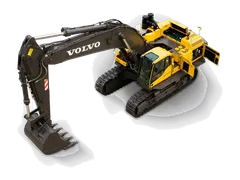
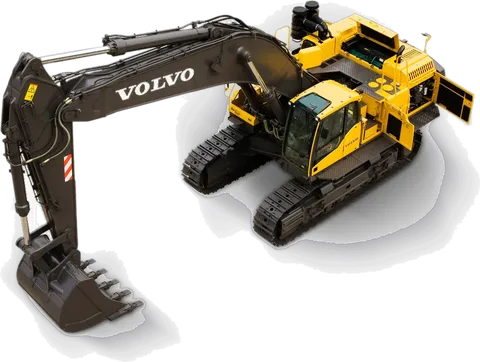
A mini excavator is commonly used on small plots for foundation pits, trenches and backfilling because it is compact. A backhoe loader (JCB) digs and loads in one machine, but it is larger. If you are choosing between them, read mini excavator vs backhoe loader.
On a small plot there is often no room to stockpile soil. Before you dig, find out where buried water, sewer, power and telecom lines run, and ask the engineer how deep sides must be sloped or supported. Nobody should enter a deep or unsupported excavation. Then plan these two things:
- Removal. Arrange dump trucks and a place to take the soil. Trucks must be able to stand where the excavator can load them.
- Reuse. Decide how much soil comes back as backfill and where it waits. The engineer says if it is suitable.
Backfill is compacted in layers with a plate compactor or rammer, as the engineer's specification requires. A rammer works in narrow trenches, and a plate compactor suits wider, flatter areas. See plate compactor, rammer or roller for how to choose. A large roller rarely fits a villa plot.
For the machine itself, see our mini excavators.
Concrete: mixer trucks, pump and vibrator
Ready-mix concrete arrives in mixer trucks. They need a firm place to stand and a clear route in. Find out how close the truck can get to the pour before the day.
If the truck cannot reach the pour, a concrete pump moves the concrete to it. A line pump is often the choice where access is tight, and boom pump vs line pump explains the difference. Check the street and overhead lines for any boom.
Concrete is time-critical, and in Saudi heat even more so. Ask the concrete supplier about delivery time and hot-weather measures. Before the first truck arrives, make sure of this:
- Formwork and reinforcement are checked and approved by the engineer.
- The pump (if any), the crew and the tools are on site and ready.
- The truck's route and standing place are clear, with no parked cars in the way.
- A poker vibrator is on site and working, with a spare if possible.
An internal (poker) vibrator consolidates concrete in columns, beams and slabs, so poorly compacted pours are avoided. You can compare mixers in concrete mixer trucks.
Scaffolding and access for the facade and finishing
External scaffolding is erected on a firm base and tied to the structure. A competent person should erect it and check it before use. Do not let untrained workers improvise it.
Ask the scaffolding supplier:
- Which system they supply, and whether the parts are complete and undamaged.
- Who erects it and who checks it before use.
- How wide the base must be, and whether that fits between your wall and the boundary.
On a narrow plot the base width is often the limit. Measure the gap between the building and the boundary before you order. Scaffolding types compared helps you pick a system. Browse scaffolding to see what suppliers offer.
Do you need a crane, and for what?
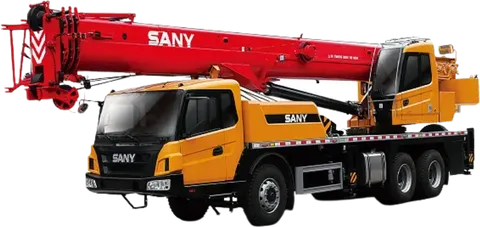
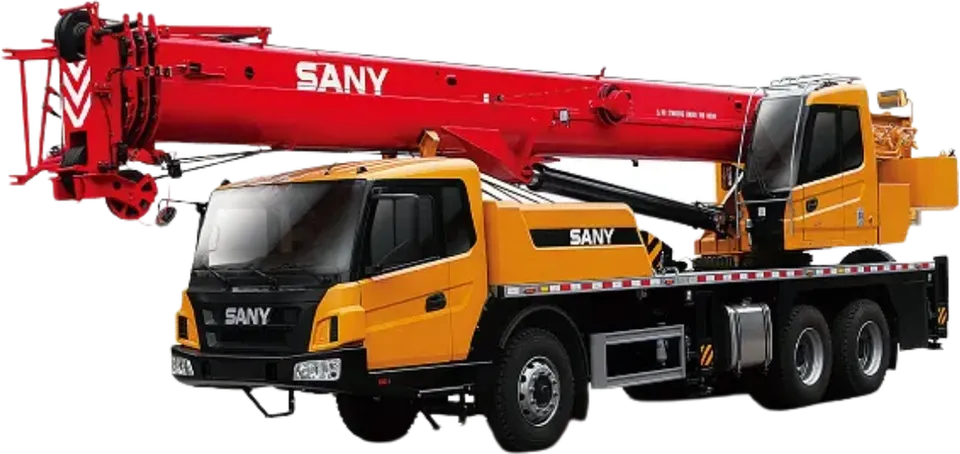
A villa often does not need a tower crane. Specific lifts, such as roof tanks or heavy precast pieces, can be done with a mobile crane, boom truck or telehandler hired only for those days.
Use this rule: list the heaviest single lift with its weight, how high it goes and how far from the machine it must reach. Give the supplier those three facts, and say what the load is and how it will be rigged. They will tell you which machine suits. The lift itself needs a lift plan, so ask the supplier who prepares and approves it (crane lift plan checklist). The operator works within the manufacturer's load chart.
Check the standing place too. A crane or boom truck needs firm, level ground, and a street closure may be needed. Requirements differ by project, site owner, municipality and insurer. Confirm with the municipality (Balady) and the engineer before you mobilise.
Site power, water and cabin
Small sites still need three basics:
- Power. Use a temporary supply from the network where it is allowed, or a generator. Have a qualified electrician connect and protect it. Size a generator from the tools you run, as in how to size a generator, and run it outdoors, never in a closed room.
- Water. Needed for mixing, curing and dust control. A tank or a tanker can fill the gap where there is no connection.
- A cabin or lockable store. It keeps tools, documents and small equipment safe, and gives the crew shade. A cabin needs ground space, so check the plot first.
In Saudi heat and dust, add shade and drinking water for the crew.
How to do this on Maedah
Post one project request on Maedah instead of calling suppliers one by one. Add each machine you need, such as the mini excavator, dump trucks, compactor and scaffolding, with quantities. Mark your city and drop the site pin on the map, and write the access limits in the notes, such as gate width and overhead lines. Add dates and any requirements.
Suppliers who match send sealed quotes. You compare them side by side: what is included, response time, rating. Agree price and payment with the chosen supplier directly.