This guide is for a site manager or customer who is about to receive a machine with an operator, or who is hiring an operator separately. An equipment operator competence check settles what to ask for, how to verify it, what a certificate cannot tell you, and who else must be competent when the job is a lift.
What is an equipment operator competence check, and why is a certificate not enough?
Competence has three parts:
- Training: the person was taught how to run this kind of machine.
- Practical skill: they can do it, on this type of machine, in real conditions.
- Site knowledge: they understand your hazards, such as soft ground, overhead lines, workers on foot and traffic routes.
A certificate shows that training or testing happened at some point. It does not prove the person can run this machine safely today. Someone can hold valid papers and still be unfamiliar with the model, rusty after a long break, or unaware of what is special about your site.
So the check has three steps: papers, questions and a supervised first hour. Papers show what was done in the past. Questions and observation show what the person can do now.
Which papers should you ask for before the operator starts?
Ask at least a day before the machine arrives, not at the gate. Put the request in writing so the answer is too.
| Paper | What it tells you |
|---|---|
| Operator certificate or licence | Training or testing for a machine type |
| Photo ID | The papers belong to this person |
| Medical fitness evidence, if the site owner asks | Fitness for the work, as the project requires |
| Site induction or permit, if required | The person knows your site rules |
| Employer or supplier details | Who is responsible for the person |
Site owners, clients and insurers may ask for their own proof, such as an induction, a site-specific permit or medical fitness evidence. Requirements differ by project, so confirm them with the site owner and your insurer before the operator arrives.
How do you check that the papers are real, current and for this machine?
Go through four points, in this order.
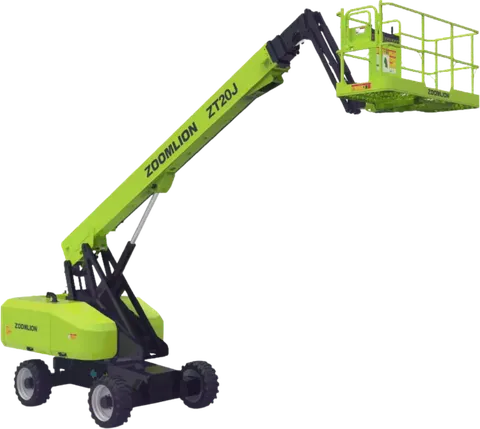
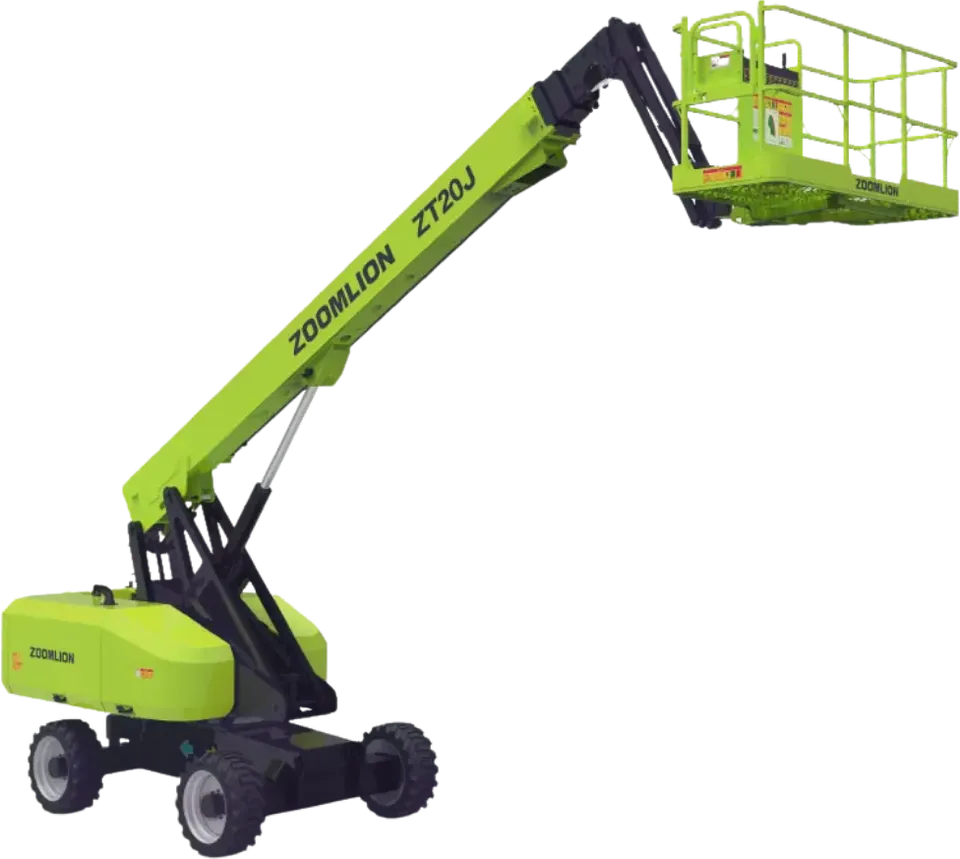
- Machine type. A certificate is normally issued for a type of machine. An excavator operator's certificate does not cover a crane. A forklift certificate usually does not cover a telehandler or a man lift, unless the paper says so. Compare the type on the paper with the machine on site.
- Name. Check the name against the person's ID, with the person standing in front of you.
- Dates. Look for the issue date and the expiry date. If there is no expiry date, ask the issuer how long the paper is valid and get the answer in writing.
- Issuer. A training provider, employer or testing body should be named. Which issuers a site owner accepts differs by project, so confirm this with them.
If a date, issuer or machine type is missing, or something looks wrong, ask the supplier or employer to clarify. Do not assume the paper is fine, and do not assume it is false.
The machine has papers too. See lifting equipment inspection certificates and what to check.
What questions show whether the operator knows the machine?
Five minutes of talk tells you a lot. Use simple words, in a language the operator is comfortable with.
- "Where does this machine show its limits?" On a crane, the load chart. On a forklift, the rated capacity plate. The answer should be quick and specific.
- "What do you check before you start?" Listen for a real routine: fluids, tyres or tracks, hoses, controls, brakes, safety devices, and defects from the day before. See the daily walk-around inspection.
- "What do you do when a warning sounds?" The safe answer is to stop the movement, make the situation safe, then find the cause and ask the supervisor before continuing. Be concerned if the answer is to carry on or to silence the alarm.
- "Who do you take instructions from on site?" A competent operator names one person, such as the supervisor or the signaller for a lift. Several people giving signals is a hazard. The one exception is a stop signal: the operator stops for anyone who gives it.
Vague replies are a warning sign, and so is an operator who cannot say where the limits are shown.
What should you watch in the first hour of work?
Tell the operator and the supplier in advance that the first hour is a supervised trial. A competent operator will not mind. Stay close and ask:
- Do they walk around the machine before starting?
- Are movements smooth and controlled, or sudden and jerky?
- Do they look before moving and check where people are?
- Do they stop and ask when something is unclear?
Then watch the points for the machine:
| Machine | Watch for |
|---|---|
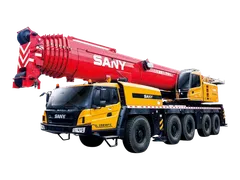
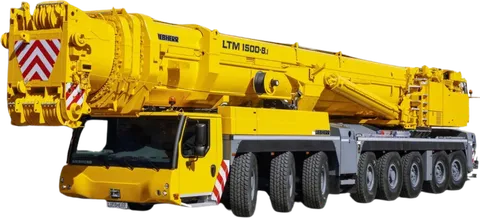
| Cranes | Checks the load chart and the radius before lifting. Follows the lift plan and keeps the first lift small and slow. Follows one signaller. Does not swing loads over people. |
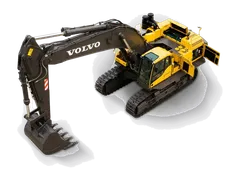
| Excavators | Positions the machine on stable ground. Keeps the bucket low when travelling. Checks the swing area. Keeps clear of edges and of overhead or buried services. |
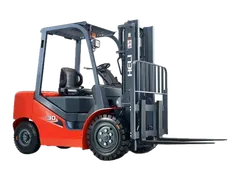
| Forklifts | Carries the load low and tilted back. Slows down in turns. Looks in the direction of travel. Does not carry a load that blocks the view. |
Watch out. Agree the stop rule before the trial: if the operator does something unsafe, work stops, and the supervisor speaks to the operator and the supplier before it restarts. Do not wait to see whether it happens twice.
Who else must be competent on a lift: rigger, signaller, supervisor?
For lifting work, a good operator is not enough. The lift also depends on:
- A trained rigger who attaches the load correctly and chooses suitable slings and accessories.
- A signaller or banksman when the operator cannot see the load or the landing area.
- The person who owns the lift plan and makes sure the lift follows it. Many sites call this the appointed person or lift supervisor; the title and duties follow the site owner's rules.
The operator's certificate replaces none of these roles. A strong operator with an untrained helper hooking the load is still an unsafe lift. For the planning side, use the crane lift plan checklist. For machines moving on the ground, read about banksmen and exclusion zones.
Who is responsible for the operator in wet hire and in dry hire?
| Wet hire (operator included) | Dry hire (machine only) | |
|---|---|---|
| Who provides the operator | The supplier | The customer |
| Who normally vouches for competence | The supplier | The customer |
| Can you refuse the person? | Yes, in practice: you still decide who works on your site (check the hire terms) | You chose the person |
In wet hire, run all three steps anyway: the supplier's word does not replace what you see on your site. In dry hire, all three steps are yours. Contracts and insurance can change who carries what, so read the hire terms. For the wider choice, see wet hire vs dry hire.
How to do this on Maedah
When you post a request, choose the machine and say whether you need a driver or operator. Add site requirements such as insurance, TÜV inspection or Aramco approval, and describe the papers you expect, so every supplier quotes the same job.
When the sealed quotes arrive, compare them side by side. Use the chat tied to each quote to ask for the operator's papers and the machine type they cover, before you accept. Maedah does not verify operators, so the check stays with you and the supplier.