You are planning a multi-storey building and must settle the tower crane vs mobile crane question before the programme is fixed. This guide is for developers, contractors and planners. It gives a counting test you can run from your own programme, then lists the hidden work a tower crane brings: foundation, erection, tie-ins and dismantling.
What is each crane best at on a building site?
A tower crane usually stays in one position for the whole length of the structural works. It is suited to many repeated lifts at height: rebar bundles, formwork, concrete buckets, precast pieces, pallets of blocks. When it is placed well, its hook reaches over the full footprint of the building and serves different floors as the structure rises. Each lift is still limited by the crane's load chart at that radius.
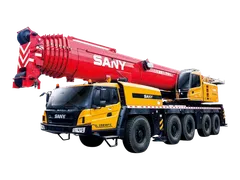
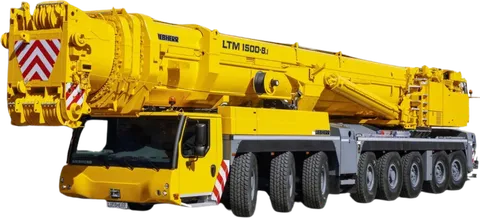
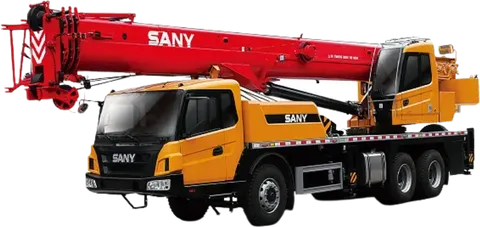
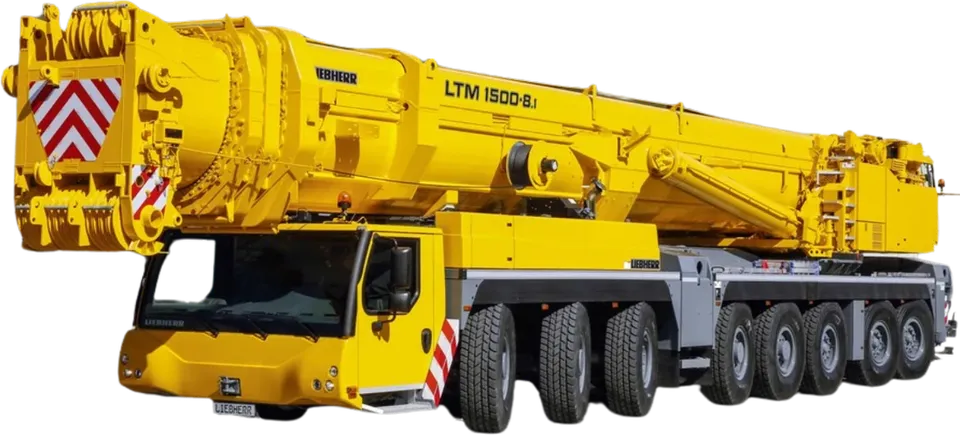
A mobile crane is brought in for specific lifts and then leaves. Its reach is limited by where it can stand and by its boom length at the radius you need. It fits a heavy one-off lift, a short job, or a lift that happens before the site is ready for a tower crane.
For the wider picture of crane families, see types of cranes and when to use each.
How many lifts, how high and for how long?
This is the practical test. Take your programme and count, for each month:
- How many separate lifts the work needs. Include small ones: they add up.
- How heavy the heaviest and the typical lift is.
- How high each lift must go, and how far from the crane's position.
- How many months the lifting continues.
Then read the pattern:
- Lifts every day for many months, mostly light to medium, going higher as the building grows: the pattern points to a tower crane.
- A handful of heavy lifts spread across the programme, each needing a few hours: the pattern points to mobile cranes booked per lift.
- A mix of both: see the section on using both below.
Note. Example only: Project A needs lifts on every working day for the whole structural phase. Project B needs about ten heavy lifts in total, each on a known date. Project A is a tower crane case. Project B is a mobile crane case. A real project usually sits between the two, so count honestly.
The same counting method, applied to all machines, is in how to estimate how many machines a project needs.
What does a tower crane need before it can work?
A tower crane is not just a machine on a truck. Plan these items from the start:
- Foundation. It needs a foundation designed for it. The crane supplier or an engineer specifies it. The concrete must be given time to cure and be inspected before the crane is built on it.
- Erection and dismantling. The crane is assembled on site and later taken apart. This is usually done with help from a mobile crane or crawler crane, so those lifts must be planned and booked too. It must follow the manufacturer's instructions and be done by competent, authorised people.
- Tie-ins. As the crane climbs above a certain height, it is normally tied to the structure. The tie positions and loads must be agreed with the structural designer, so this decision comes early, before the floors it will tie to are designed. Some cranes instead climb inside the building, which loads the structure in a different way and also needs the designer's agreement.
- Swing area. The slewing radius can pass over neighbouring plots, roads and other structures. Whether that is allowed, and what must be done about it, depends on the site owner, the municipality and the neighbouring owners. Confirm this before you choose the crane.
- Wind and dust. Every tower crane has a wind limit for working and a different procedure for when it is out of service. Ask the supplier for both, and who decides to stop lifting in strong wind or a dust storm.
- Requirements for erection, inspection and operators. These differ by project and owner. Confirm them with the supplier and the client, and ask for the current inspection certificate and the operator's competence records before the crane works.
Watch out. The foundation sits on the critical path. If it is late, the crane is late, and so is every lift that waits for it.
What does a mobile crane need on a building site?
A mobile crane needs less setup but more from the ground and the access:
- A place to stand. Firm, level ground that can carry the crane and its outriggers, with the working area kept clear. Ask the supplier what ground pressure the crane puts down, and have the ground checked, including for fill, drains, basements or buried services below the standing area.
- Reach. The boom length at the radius you need. A building footprint that is wide or deep, or a lift far behind a structure, can put the load outside the crane's useful radius.
- Access. Roads, gates and turning space for a large vehicle, and time windows if the street is shared.
- A lift plan for every lift. Each booking needs a plan, the right capacity at the real radius, and a competent crew.
Ask the supplier for the load chart at your radius, not just the headline capacity. Crane lift plan checklist: what to prepare before lift day lists what to have ready.
Tower crane vs mobile crane: how do they compare?
| Question | Tower crane | Mobile crane |
|---|---|---|
| Time on site | The length of the structural works | Per lift or short job |
| Suits | Many repeated lifts at height | Few heavy or one-off lifts |
| Reach | Full footprint, different floors | Limited by standing place and boom at the radius |
| Ground work | Designed foundation, cured and inspected | Firm, level standing area |
| Setup | Erected and dismantled on site | Arrives and leaves |
| Structure | Tie-ins agreed with the designer | None |
| Neighbours | Swing area may pass over other plots | Needs street or plot space to stand, and may need road access arranged |
Can you use both on one project?
Yes, and many projects do. A common pattern:
- A mobile crane or crawler crane often helps erect the tower crane.
- The tower crane serves the structure for the working months.
- A mobile crane returns for heavy single lifts, roof plant, and often for dismantling the tower crane.
Book each lift in advance and put the dates into the programme, with the erection and dismantling lifts included. How to plan equipment by construction phase shows how to place each machine in the right phase. If a mobile crane is the option, mobile crane or crawler crane helps with that choice.
Which mistakes should you avoid when choosing?
- Choosing by floor count alone. Two buildings of the same height can need very different cranes. Fix: count lifts, weights, heights and months first.
- Leaving dismantling out of the programme. A tower crane has to come down, and that usually needs its own mobile crane booking. Fix: book erection and dismantling together with the crane.
- Reading only the headline capacity. A crane lifts far less at a long radius. Fix: ask for the load chart at the real radius of your heaviest lift, for either crane type.
- Deciding the tie-ins late. The structure may already be designed when the crane needs to be fixed to it. Fix: raise the tie positions with the structural designer at planning stage.
- Assuming the swing is allowed. Fix: confirm the swing area with the site owner, municipality and neighbours before you commit.
How do I do this on Maedah?
Browse tower cranes and cranes as a guest, or post a request once. Put in the machine type and quantity, the city and the site on a map, and the dates. Add what you need, such as a driver or operator, insurance and inspection. A project request can hold several machines, so you can ask for a tower crane and a mobile crane together.
Suppliers who offer that category in your city send sealed quotes. Compare them side by side: what is included, response time and rating. Agree price and payment with the supplier you choose.