This guide is for project and procurement managers who have a set of lifts, fixed dates and two cranes that could do the job. It settles mobile crane vs crawler crane on the site facts that decide it. It also lists what to tell suppliers, so their answers can be compared like for like.
How are mobile and crawler cranes different?
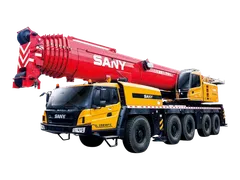
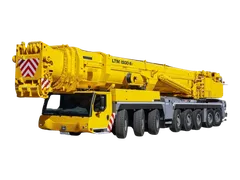
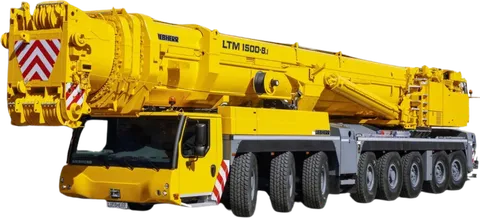
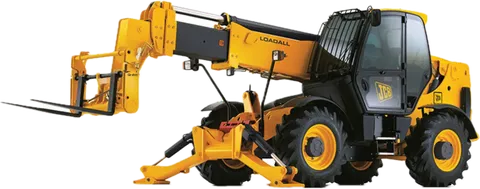
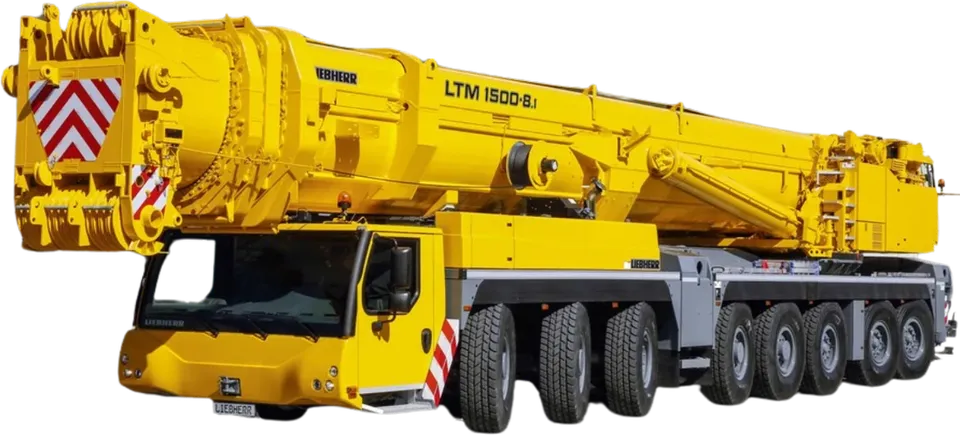
Many mobile cranes drive on public roads under their own power, within road rules and axle limits. On site, a mobile crane sets up on outriggers, which are extendable legs with pads. Telescopic mobile cranes are the common kind for general lifting.
A crawler crane stands on two steel tracks, like an excavator. It has no outriggers. Many crawler cranes use a lattice boom, which is a steel frame made of sections joined together.
Both types lift using a load chart. The chart is specific to the crane model and its exact set-up: boom length, counterweight and so on. For a deeper look at the families, see types of cranes and when to use each.
Ground: do outriggers or tracks suit your site?
On a mobile crane, the crane's weight and the load pass through the outrigger pads into the ground. Those few points carry a lot, so they need firm ground. Crane mats or other load-spreading supports are often needed under the pads.
A crawler spreads the load over the footprint of its tracks. It can often work in places where outrigger points would be a problem.
But the ground under the tracks must still be prepared and checked. Filled land, recent excavations, buried services, slopes and soft patches matter for both types. Both also have limits on how far out of level they may work, so ask what the chart or manual allows.
Lattice-boom crawlers are commonly chosen for heavy lifts at long reach. The crane stays on one prepared working area, and the boom can be lengthened with extra sections. Tracks can mark or damage paved or finished surfaces, so ask about track mats or other protection.
Watch out. Do not treat a crawler as a fix for poor ground. Ask who checked the ground, and what the crane supplier needs from the site.
Which type is easier to move around the site and between sites?
This is where the two types differ most in daily work.
A mobile crane drives from site to site (road-going types), and can reposition within a site by driving and setting up again. That suits many short jobs, or one crane serving several locations.
A crawler can be repositioned on site on its tracks, without setting up outriggers again. That helps when lifts repeat in the same area but the crane must shift along a line, for example a long building footprint. It travels slowly, and it does not use public roads.
Some crawler cranes can travel carrying a load, but only within the limits in the manufacturer's chart for that model. Treat this as a question for the supplier. If your plan depends on it, ask to see the chart page.
How long do set-up, assembly and transport take?
Telescopic mobile cranes are usually ready to lift soon after they arrive. The operator drives in, levels the crane on its outriggers and works through the set-up. Larger models may still need counterweights or extra boom sections brought and fitted, so ask.
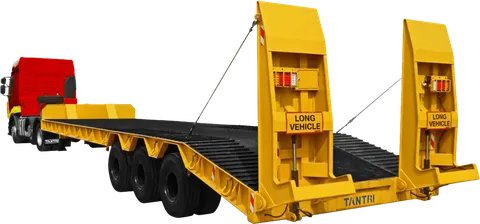
Crawler cranes, especially lattice-boom models, normally travel to site partly dismantled or in pieces on trailers, for example lowbeds, though small ones may arrive nearly whole. They are then assembled on site, often with a smaller assist crane. This adds time and cost at both ends of the hire: assembly on arrival and dismantling on departure.
Times vary by model and site, so ask each supplier for their own assembly and transport plan early. Moving a crawler or its parts as an oversize load on Saudi highways may need approvals. Requirements differ by project, site owner, municipality and insurer, so confirm before mobilising. See moving a heavy machine by lowbed: pre-trip checklist for the route and paperwork questions.
A site gate, access road or overhead obstruction can rule out one type. Before you choose, check:
- width of the gate and access road, for the transport and for the crane itself
- height under bridges, cables, pipe racks and other overhead obstructions, and the clearance from overhead power lines, which the site must control
- turning room for long trailers and a driven crane
- space to assemble a crawler, or to set a mobile crane's outriggers as its chart requires
Mobile vs crawler crane: side-by-side table
| Site fact | Mobile crane | Crawler crane |
|---|---|---|
| Ground | Load goes through outrigger pads; firm, prepared ground and often mats needed; must be level within limits | Load spread over track footprint; ground still prepared, checked and level within limits |
| Moving on site | Drives and sets up again | Repositioned on tracks; may travel with a load only within the chart for that model |
| Between sites | Road-going types drive between sites; some, such as rough-terrain cranes, may need a trailer; large models may need counterweights sent separately | Usually moves on trailers, often in pieces |
| Set-up | Usually ready to lift soon after arrival | Assembled on site; dismantled at the end |
| Best fit | Many short jobs, many sites | Long stays, heavy or tall repeated lifts, soft ground once prepared |
| Check first | Pad positions, outrigger space | Assembly area, transport route, track path |
How do you choose between a mobile crane and a crawler crane?
Go through the four facts in order.
- Ground. Is the crane position firm and level, or weak and soft? Soft ground can lean toward a crawler, once it is prepared and checked.
- Movement. Must the crane move often, or between sites? Frequent moves lean toward a mobile crane.
- Job length. A short stay may not repay assembly and dismantling. A long stay in one area, with heavy or tall lifts at long reach, often does.
- Transport and assembly. Can the site take trailers, an assembly area and the crane itself? If not, the choice may be made for you.
For example, a few lifts over three days at two locations suit a mobile crane that drives between them. Repeated lifts in one area for many months on soft, prepared ground can suit a crawler. Your lift plan decides.
Tower cranes are a separate choice. See tower crane or mobile crane for a building.
What should you ask suppliers before you hire either type?
Give every supplier the same brief: the heaviest load and its weight, the working radius and lift height, the dates, the planned crane position, and photos and dimensions of the gate and access road. Then check:
- Capacity at your radius. Ask each supplier for the load chart of the exact configuration they would send. Compare on capacity at your working radius, not on headline tonnage.
- Inspection and documents. Ask for the current inspection certificate, its expiry date, the maintenance record and the operator's competence documents.
- Operator and signaller. Confirm who supplies them.
- Ground. Ask who checks it and what the supplier needs the site to prepare.
- Assembly, transport and removal. Ask what is included, who supplies the assist crane and trailers, and what the site must provide.
- Lift plan. Agree it before lift day. See the crane lift plan checklist.
Requirements differ by project, site owner, municipality and insurer. Confirm them before mobilising.
How to do this on Maedah
Post one request. Name the crane type if you know it, or describe the lift. Add the city, site on the map, dates, and requirements such as operator, insurance or Urgent.
Suppliers who offer cranes or crawler cranes in your city can answer with sealed quotes. Compare them side by side: what is included (operator, transport, assembly), the response time and the rating. Use the chat on each quote to confirm the points above, then agree price and payment with the supplier.