You are mobilising machines to a site around Dammam, Al Khobar or elsewhere in the Eastern Province, perhaps for an industrial or energy client. This construction equipment planning guide gives you the order in which to settle things, so you do not rebook a machine after it has arrived, and the questions to put to the site owner.
What is different about working on the Gulf coast?
Four things change the equipment list compared with an inland site.
- Ground. Parts of the coast are low-lying, with salty soil and groundwater close to the surface.
- Air. It is hot, but also humid and salty. Both affect engines, electrics and steel.
- Power. A new plot may have no usable supply yet, so the site may bring its own.
- Client. Industrial and energy clients often have a long list of entry requirements.
None of these is unusual on its own. The risk is finding them out late. Settle them in this order, because each one drives the next: ground, then water, then power, then client documents, then lifting. The checklist near the end puts the same order in one table. For a wider view of how regions differ, see heavy equipment by region in Saudi Arabia.
How do ground and groundwater affect the equipment list?
Some Eastern Province plots sit on salty sabkha soil. Such ground can be soft or wet, and the salt can corrode steel left in contact with it.
Do not decide the machines from the surface. Read the soil investigation report for your plot first. It should drive three choices:
- Excavation: what the ground can carry, and whether the sides need support.
- Piling: whether the foundation needs piles, and what rig suits them.
- Dewatering: whether water will enter the excavation, and how you will remove it.
Ask your engineer or the report's author if anything is unclear. A costly mistake is to book a standard excavator and find on day two that the pit fills with water. The fix is simple: read the report before you write the equipment list.
Soft ground also affects heavy machines. Ask how the machine's weight will be spread, and whether the supplier can provide mats or other ground protection. Where the site has deep excavations, ask your engineer how the sides will be kept safe before anyone works in them.
How does humid heat change power, cooling and working hours?
Humid, salty air makes ordinary heat harder on machines. Engines, generators and compressors need clear airflow around them and clean filters. A blocked radiator or filter can turn a hot day into a breakdown.
Checks that matter more on the coast:
- Keep air intakes and cooling areas clear of dust, sand and debris.
- Follow the manufacturer's service intervals for dusty, hot conditions, and look at filters and cooling systems between services.
- Inspect electrical connections and exposed steel for corrosion.
- Ask the supplier how the machine was prepared for a salty environment.
Summer working hours also matter. Rules and site practice differ by project, site owner and municipality. Confirm the hours with the client, then plan machine shifts and operator rest around them, as in planning machines around Ramadan and summer schedules. Do not assume a machine will run all day in peak heat; ask the supplier what it needs to keep cool and how often to check it.
What power and pumping support does a site usually need?
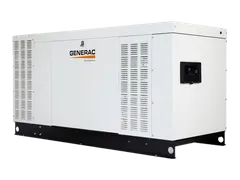
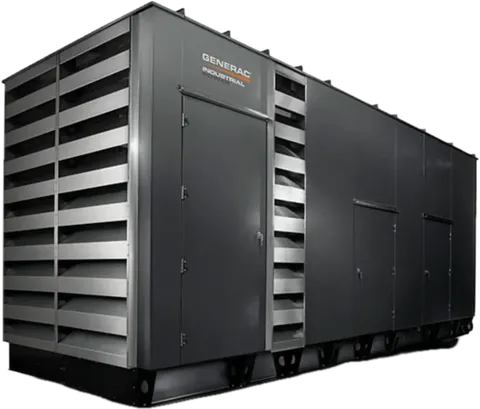
A temporary site often needs its own power. Site offices, lighting, welders, tools and pumps may all depend on one generator set.
Size the generator from the connected load, using kVA and kW with a power factor, and allow for motors that draw more current when they start. Do not size by guess. The full method is in how to size a generator. You can then compare generators that fit the number.
For pumping, the logic is just as simple. Where groundwater enters an excavation, the pump must match the inflow and the discharge height. Ask each supplier:
| Ask about | Why it matters |
|---|---|
| Pump type | Different types suit different water and debris |
| Hose length | A longer run adds friction loss, so the pump delivers less at the outlet |
| Discharge height | Water must reach the outlet, not only leave the pit |
| Power source | Fuel or an electric supply changes your site plan |
| Where the water goes | Confirm with the site owner where pumped water may be discharged |
For choosing between pump types, read dewatering pumps for excavations. You can browse water pumps once you know what you need.
Tip. If a pump runs on electricity, count its load, including its starting load, in the generator size. Forgetting it is a common reason a site loses power.
What will a larger client ask about the machine and operator?
Larger industrial and energy clients commonly ask for several things before a machine enters the site:
- third-party inspection certificates for lifting equipment
- operator competence evidence
- insurance
- sometimes a client-specific approval for the machine or the contractor
These requirements differ by client. Do not assume that one site's rules apply to the next, and do not tell a supplier that something is "required" until you have checked. Ask the site owner exactly what they require, in writing, before you book.
Then pass the same list to every supplier. The guide on how to find out industrial site equipment requirements shows how to ask the right person. Plant sites in particular are covered in equipment for Jubail and Yanbu industrial projects. Late discovery is expensive, because a machine that arrives without the right document may be turned away at the gate.
Which cranes and lifting arrangements need extra care?
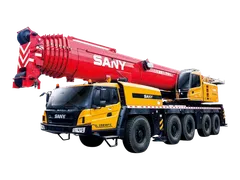
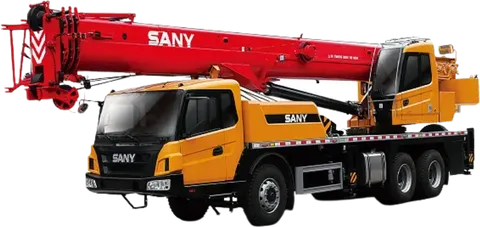
Lifting on soft or wet ground needs more thought than lifting on a hard slab. A crane's outriggers put heavy point loads on the ground. Ask the crane supplier for the outrigger loads, and ask your engineer how they will be spread and who confirms the ground can take them.
For any lift, check these points:
- The manufacturer's load chart for the exact crane set-up covers the heaviest lift at its working radius.
- The ground under the outriggers or tracks has been assessed.
- The lifting accessories are in date and marked with their limits.
- A lift plan exists, and the crew has seen it.
Because larger clients often ask for inspection certificates, ask each crane supplier for the current certificate and its expiry date. See lifting equipment inspection certificates for what to look for.
Document and readiness checklist
Use this table before you confirm any booking. It is a planning aid, not a list of legal requirements. Your client sets what applies.
| Item | Ask whom | Done when |
|---|---|---|
| Soil investigation report | Engineer or site owner | The equipment list follows it |
| Dewatering plan | Engineer and pump supplier | Pump matches inflow and discharge height |
| Connected-load calculation | Electrical engineer | Generator sized from kVA and kW |
| Client entry requirements | Site owner | Requirements are in writing |
| Inspection certificates | Equipment supplier | Current, with expiry dates |
| Operator competence evidence | Equipment supplier | Names and proofs match the operators sent |
| Insurance | Your insurer and the client | Cover matches what the client asked for |
| Client approval, if any | Site owner | Machine or contractor approved before arrival |
| Delivery and access | Supplier | Route, gate and unloading point agreed, and any transport permit for an oversize load arranged by the right party |
How to do this on Maedah
Post one request for the whole project. Add each machine and quantity, the dates, and pin the site on the map. Then state your requirements, such as driver, insurance, TÜV inspection or Aramco approval, so suppliers quote against them from the start.
Dammam and Al Khobar are neighbouring cities. Set the request's city to the one nearest your site, because the request reaches suppliers who serve that city. Confirm delivery arrangements with the supplier you pick. You can also look at Dammam or Al Khobar first.
Quotes arrive sealed and line up side by side, so compare what each includes, not only the price.