Construction equipment planning in Riyadh is mostly planning the plot, and this guide is for contractors, developers and site managers sending machines to open or undeveloped land in or around the city. A gate that is too narrow, ground that cannot carry a trailer or no water on site stops work before the machine does. Walk the plot with this list before you ask for quotes. Fencing, power and cabins are in the construction site setup checklist.
How is construction equipment planning in Riyadh different from a coastal city?
Riyadh is inland. Machines and materials that arrive through a port reach the city by a long road haul. So the first question for any machine is not the rate. It is where the machine is today.
Ask each supplier whether the machine is already in Riyadh or must be brought from another city. If it must travel, the start date and the transport arrangement both change. The guide on moving equipment from port to site covers that journey.
The second difference is ground and climate. Many Riyadh plots are dry, open and unpaved, so dust, water supply and heat shape the plan more than on a paved urban site. For the wider picture, see how equipment needs differ by region in Saudi Arabia.
Can the machines actually reach and enter the plot?
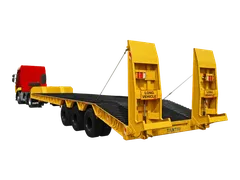
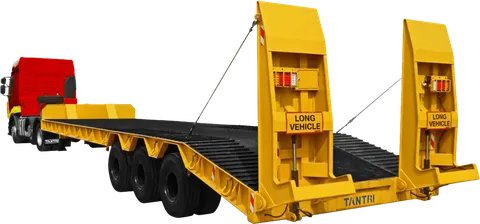
A heavy machine usually arrives on a lowbed trailer. That trailer is long, wide and low to the ground, so it cannot go where a pickup can go.
Check these on the plot with a tape measure, and photograph each one for the request:
- Access road: is there a formed road to the plot, or only a track? Can a loaded trailer use it in dry weather and after rain?
- Gate width: measure the clear opening, not the gate panel. Compare it with the width and height of the machine loaded on its trailer, which the supplier can give you.
- Turning space: a long trailer needs room to swing in and to leave. Check whether it must reverse onto the plot.
- Overhead obstructions: cables, pipes, signs and trees across the approach. Treat overhead power lines as live, and ask the line owner for the safe clearance before any tall load passes under them.
- Buried services: ask the site owner or client for the location of cables and pipes under the access route and unloading spot before grading or heavy loads.
- Unloading spot: firm, level ground, clear of trenches and soft fill, with room to drive the machine off the trailer.
Watch out. Do not book the trailer until the gate, the turning space and the unloading spot are confirmed. A trailer that arrives and cannot enter still costs a day.
Do you need to prepare the ground before the main machines arrive?
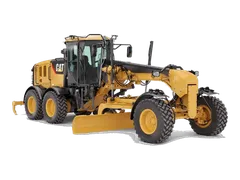
Often yes. A plot with no formed access road usually needs a motor grader early. A grader shapes and levels surfaces such as access tracks and sub-base layers. A roller or compactor then firms them.
Do this before cranes and loaded trailers arrive, not after. If heavy machines come first, they may bog down, damage the track or be unable to unload safely.
Ground also varies from plot to plot within the city. The soil report for your plot, not the city name, should guide the method. If there is no report, ask the site owner or client who can provide one before you choose earthmoving or piling equipment.
| Situation on the plot | What to plan first | Ask the supplier |
|---|---|---|
| No formed access road | Grading and compaction of a track | Grader and roller or compactor, and who supplies the operators |
| Soft or loose surface at the unloading spot | A firmed, levelled area | How the machine will be unloaded on that surface |
| Unknown soil | Obtain the soil report | Whether the method changes with the soil |
How much water will earthworks and dust control need, and how will it arrive?
Soil compaction depends on moisture, so earthworks need water on site. Dust control on dry, unpaved ground needs it too, and on an open plot that is often a daily task.
Decide early between two options:
- A water tanker on a schedule. A water tanker delivers at agreed times or on call.
- A storage tank on site. A tank is filled by deliveries and feeds a spray or a bowser as needed.
Do not guess the quantity. Ask the earthworks contractor or engineer how much water compaction and dust control need, and over how many days. Give the water supplier the same numbers. The guide on what to specify for water tanker hire lists what to agree before booking.
How should heavy machines travel to the site and be unloaded?
Work backwards from the unloading spot. Once you know the machine, its transport width and height, and the gate and turning space, you can ask for the right lowbed.
Ask the supplier:
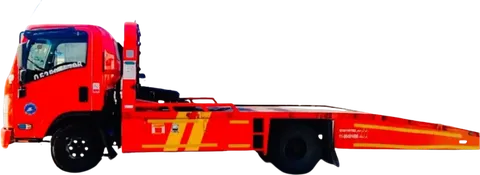
- Is the machine delivered on a trailer, or does it arrive under its own power? Many tracked machines cannot be driven on public roads.
- Who arranges the trailer, and who is responsible if the site cannot receive it?
- Who unloads, and with what? A ramp, a crane or a loading dock each needs different ground. Unloading should be done by the supplier's trained driver or operator, with a signaller if needed, and everyone else kept clear.
- Who is at the gate to receive the machine, and at what time?
Approvals for road use, working hours and site access differ by project, district and municipality. Confirm them with the site owner and the municipality (Balady) before mobilising.
How do heat, dust and working hours affect the plan?
Summer heat, dust and sand tire operators and can affect how machines run. Plan for them instead of reacting later.
- Schedule the hardest tasks for the cooler parts of the day. Rules or site practice may limit outdoor work in the hottest hours of summer, so confirm the current ones with the site owner.
- Plan operator rest and shade, and ask who provides drinking water and a rest area.
- Ask the supplier how radiators and air filters are checked at the start of the hire and how often they are cleaned in dust.
Working hours also change during Ramadan and in summer. The guide on planning machines around Ramadan and summer schedules explains how to build this into the programme.
Site-readiness checklist before mobilising
Print this as a one-page worksheet and fill it in on site. Whatever is still blank goes into the request as an open question.
| Item | What to confirm | Who can tell you |
|---|---|---|
| Access road | Formed road or track, usable by a loaded trailer | Site owner, earthworks contractor |
| Gate and turning | Clear width, turning space, overhead obstructions | You, by measuring on site |
| Unloading spot | Firm, level, clear of trenches | You and the supplier |
| Ground preparation | Grader and compaction needed before main machines? | Engineer, earthworks contractor |
| Soil report | Exists for this plot? Method matches it? | Client, site owner |
| Water | Tanker schedule or storage tank; quantity and days | Engineer, water supplier |
| Laydown area | Space for materials and parked machines; where fuel is kept | Site manager |
| Machine location | Already in Riyadh or coming from another city? | Supplier |
| Approvals | Road use, working hours, site access | Site owner, municipality (Balady) |
| Heat and dust | Rest, cooling checks, dust control | Site manager, supplier |
How to do this on Maedah
On Maedah you can post one request instead of calling suppliers one by one. Put the site on the map, add the dates, and list every machine and quantity. One project request can hold a grader, a compactor and a water tanker.
Write in what the worksheet found: gate width, unloading spot, water arrangement and approvals still pending. Add requirements such as a driver or insurance. Suppliers who offer those categories and serve Riyadh send sealed quotes, shown side by side. Check that each quote covers the same transport and operators. The full process is in how to rent heavy equipment in Saudi Arabia. You can also browse machines in Riyadh first.