The supplier asks: with operator or without? For a site manager or small contractor, the answer changes who is accountable when something goes wrong, not only the price of the quote. This guide settles wet hire vs dry hire with four questions, a table of who handles what, and a list of gaps to close in the written quote.
Wet hire vs dry hire: what is the difference?
Wet hire means the supplier sends the machine together with its operator. Dry hire (also called "bare hire") means the supplier sends the machine alone. Your own competent person operates it.
Terms vary between suppliers and between countries. In some places "wet" also means the supplier provides the fuel. So never rely on the label: the written quote must say exactly what is included.
When does an operator included make sense?
Wet hire is usually the better choice when:
- You do not have a person who is competent on this exact type of machine.
- The job is short, so finding or training someone is not worth the time.
- The work is risky, for example lifting near people or buildings.
- The hire is an occasional need, not part of your normal work.
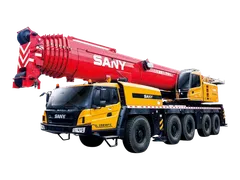
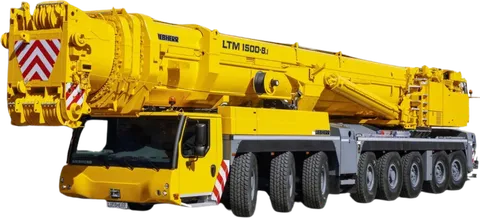
Cranes and other lifting equipment are very commonly hired with an operator, and often with a rigging crew too. Lifting is a team task: the operator, the person who attaches the load and the person who signals must work together, and competence is critical. This is common practice, not a statement of any legal rule. Requirements differ by project, site owner and insurer, so confirm them before mobilising.
When does hiring the machine only make sense?
Dry hire is usually the better choice when:
- You already employ a person who is competent on this machine and is allowed on your site.
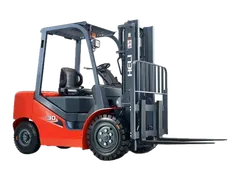
- The machine works with your team every day, such as a forklift in your own warehouse.
- The hire is long, and you want to control hours, shifts and who uses the machine.
You must make sure the person is competent, that the daily checks are done and that the machine is used safely. For how to check a person, see how to check an equipment operator's competence.
Who is responsible for what in each case?
This table is a general guide. Your contract decides the real answer, so read it.
| Item | Wet hire (operator included) | Dry hire (machine only) |
|---|---|---|
| Operator competence | Supplier provides a competent person | You provide and confirm it |
| Daily pre-start checks | Normally done by the operator, but agree who records them | You do them and keep records |
| Directing the work | You tell the operator what work is needed; the operator can refuse an unsafe lift or task | You direct and you supervise |
| Risk of damage to the machine | Depends on the contract: often shared, and some contracts treat the operator as working under your direction | Usually much more with you |
| Operator's hours and rest | Limited by the quote; agree extra hours in advance | Your own team's hours and rules |
| Fuel | Check the quote; it may or may not be included | Usually yours, but confirm |
| Operator transport, accommodation, meals | Must be stated in the quote | Not applicable |
| If the operator is absent | Ask whether the supplier replaces, how soon, and agree it in writing | You must cover it |
Watch out. Responsibility for damage and injury depends on the contract and the insurance. Settle it in writing before the machine arrives. See insurance questions to settle before a machine arrives.
What does "operator included" really cover?
The word "included" can hide many gaps. Ask the supplier to write down each of these:
- Hours: how many working hours per day are in the quote, and which days?
- Overtime and rest days: how they are handled, and who approves them before they happen.
- Fuel: included, or supplied by you?
- Operator transport: how the operator gets to site every day.
- Accommodation and meals: who provides them, especially for remote sites.
- Helpers: a rigging crew or signaller, if the work needs them.
- Absence: what happens if the operator is ill, leaves the site or is not allowed on it.
An operator's included hours are limited by the quote. If your job needs long days, agree overtime and rest days in advance, or you will argue about it on site.
For example, ask for one clear line in the quote: "Operator, fuel, transport, accommodation and meals included for 8 hours a day, 6 days a week." Any item missing from that line is probably not included.
Tip. Ask one more question: "If the operator is absent, do you send a replacement, how soon, and is hire time still charged meanwhile?"
Which machines are rarely hired without an operator?
Some machines are most often hired with an operator because the work is specialised or the risk is high:
- Cranes, especially mobile and tower cranes, usually come with an operator and often a rigging crew. See how to rent a mobile crane in Saudi Arabia.
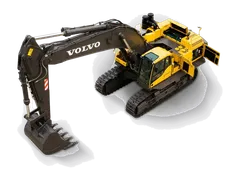
- Excavators on earthworks, trenching or work near buried services are often hired wet, because skill decides both speed and safety.
- Large piling and drilling rigs are specialist machines, so they too are often supplied with the supplier's crew.
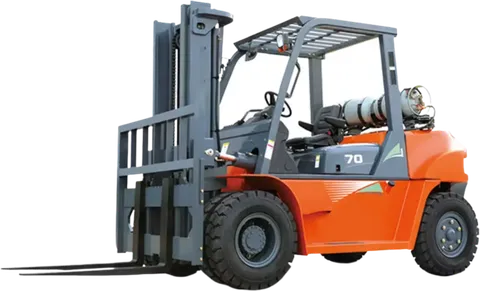
Other machines are often hired dry. A forklift is the usual example, because your own trained, authorised driver works with it every day. See how to hire a forklift for capacity, mast height and aisles.
This is common practice, not a rule. Your site owner or insurer may decide otherwise.
How do I decide: four questions?
Answer these in order. Write the answers down.
- Do I have a competent operator for this exact machine? Competent means trained, experienced on this type, and accepted by the site. If the answer is "maybe", choose wet hire or check the person first.
- Who carries the risk? If damage to the machine, to property or to people would be a heavy burden for you, wet hire may move more of it to the supplier, but not always: some contracts treat the operator as working under your direction. Check what the contract and insurance say.
- What happens on a day the operator is absent? With dry hire, you need a second competent person or the machine stands idle. With wet hire, you need the supplier's written replacement promise.
- How long is the hire? For a few days, wet hire avoids training and paperwork. For many months, your own operator may suit you better. If you are asking whether to hire at all, read rent or buy heavy equipment.
For example, say a contractor needs a crane for two days to place steel beams and has no lifting staff. Questions one and two both point to wet hire, with a rigging crew. Now say a warehouse needs a forklift for six months and already employs two trained drivers. Questions one and three point to dry hire.
How to do this on Maedah
When you post a request, state whether a driver or operator is required. Suppliers then quote with or without the operator, so the quotes arrive on the same basis.
Add the period, working hours and the site on the map. Then compare the quotes side by side. Check what each says about the operator, fuel, hours, transport and meals, and ask in the quote chat about replacement. Agree price and payment with the supplier directly; Maedah does not process payments.