You need a machine on site soon, and either you have not hired one before or your last hire went wrong. This is how to rent heavy equipment in Saudi Arabia in the right order. Most problems start when a step is done late or skipped. Each step below ends with the question that settles it and points to a deeper guide.
What are the steps to rent heavy equipment in Saudi Arabia?
The table is the whole process on one screen. Steps 1 and 2 are covered on this page. Each later step has its own guide, linked in the section for that step.
| Step | Decision to make | Question to ask | Deeper guide |
|---|---|---|---|
| 1. Define the job | What must the machine do? | What is the hardest task? | Below |
| 2. Choose type and size | Which machine, how big? | What does the job need at its worst point? | Below |
| 3. Operator or not | Wet or dry hire? | Who runs it, and who is responsible? | Wet hire vs dry hire |
| 4. Request quotes | What do suppliers need to know? | Is my request complete? | What to write in a rental request |
| 5. Compare | Which quote is really better? | Are they on the same terms? | Compare quotes on the same terms |
| 6. Agree terms | What is written down? | What exactly is included? | Rental agreement checklist |
| 7. Receive and inspect | Is this the machine we agreed? | Does it match the listing? | Handover checklist |
| 8. Use | Who may operate it, and where? | What are the daily checks? | Same handover checklist |
| 9. Return | In what condition, and when? | What was the starting condition? | Same handover checklist |
What should the machine do, and what size fits? (steps 1 and 2)
Start with the work, not the machine name. Write down what must be lifted, dug, moved, powered or poured, how much, how often and for how long. Then note the hardest case:
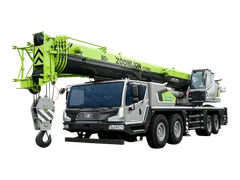
- Crane: the heaviest load, including the rigging, and the radius it is lifted at.
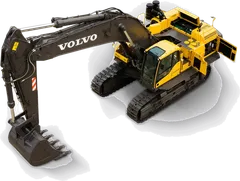
- Excavator: the deepest dig and the furthest reach.
- Generator: the total connected load and the largest motor it must start.
Also write down what limits the machine on site: access width, ground condition, overhead lines, underground services, working space and the dates. For example: "Excavator, about 20-tonne class, 4 m deep trench in hard clay, 3 weeks from the 1st, 10 hours a day, site in Jeddah, gate 3 m wide." That one line saves two or three calls with every supplier.
Then size to the hardest task. A machine that cannot do it is wrong at any price, and an oversized one costs more to move and may not fit your site.
- Cranes and lifting machines: size by the heaviest load at its radius, read from the manufacturer's load chart for the exact configuration, not from the number in the machine's name. See lifting equipment.
- Excavators and loaders: size by dig depth, reach and material, for example soil, rock or debris. See excavation equipment.
- Generators: size by the connected load. Allow for motors that draw more current when they start. Ask the supplier whether the set is rated standby, prime or continuous, and what load it can carry; see prime, standby and continuous generator ratings.
Tip. If you are between two sizes, ask the supplier which one they would send for your hardest task, and why. A good supplier answers with your job, not their stock.
Do I need an operator, or will my own team run it? (step 3)
Wet hire means the machine comes with an operator. Dry hire means the machine only. Dry hire suits a team that already has trained, authorised operators for that machine type. Wet hire suits short jobs, specialist machines and first-time hirers.
In both cases, ask who is responsible for the work and for site safety. For any crane lift, ask who prepares the lift plan and who supervises the lift. Do not start without both.
Fuel, maintenance and transport are handled differently by different suppliers, so get each one in writing. The wet hire vs dry hire guide lists the questions to ask for each option.
What do I tell suppliers so the quotes come back usable? (step 4)
A vague request gets vague quotes. Give every supplier the same facts:
- Machine type, size and quantity.
- City and exact site location.
- Start date and how long you need it.
- Working hours per day and days per week.
- With or without operator.
- Requirements, such as insurance, an inspection certificate or client approval for the site.
Requirements differ by project, site owner and municipality. Confirm them before mobilising and tell suppliers early. What to write in an equipment rental request gives a full example.
How do I compare the quotes I receive? (step 5)
A quote is only comparable with another when these are stated the same way:
- Hire period and working hours.
- Operator included or not.
- Fuel included or not.
- Transport to and from site.
- VAT: inside the figure, or added on top.
Watch out. The lowest number on the page can be the quote that leaves something out. Fill the gaps first, then compare.
For example, say two quotes for the same excavator differ a lot. One includes transport and fuel, the other does not. Once you add the missing items to the second, the gap may disappear. After the terms match, weigh the supplier's response time, rating, the machine's age and how directly they answered your questions. The guide to comparing rental quotes on the same terms goes further.
What do I agree before the machine moves? (step 6)
Get the agreement in writing, even if it is a clear message thread or a simple form. Cover at least:
- The machine's make, model and year and, where the type needs one, its current inspection certificate with the expiry date.
- Hire period, working hours and what happens if you need more time or return it early (see extensions, early return and deposits).
- Who provides the operator, fuel, maintenance and transport.
- Who is responsible for damage, breakdown and replacement, and whose insurance covers the machine, the operator and third parties. Ask your insurer and the supplier to confirm.
- Delivery date, site address and who meets the machine.
- Price and payment terms, agreed between you and the supplier.
Ask for the certificate before the machine is booked, not on the day it arrives. The equipment rental agreement checklist goes through each term.
What happens on delivery, during the hire and at return? (steps 7 to 9)
On delivery, check the machine against what was agreed: make, model and year, the certificate and its expiry date, condition, attachments and fuel level. Take dated photos. Have any damage noted before the machine starts work.
During the hire, do a daily pre-start check: leaks, tyres or tracks, fluid levels, controls, safety devices and lights. In Saudi heat and dust, also watch cooling, filters and tyre condition. Only trained, authorised people operate the machine, and a machine with a safety fault stays parked until it is fixed. Report faults to the supplier at once and keep a record.
At return, compare the machine with your arrival photos. Agree the end time and the condition together. Keep your notes until the final invoice is settled. The handover and return checklist is a list you can save on your phone.
How to do this on Maedah
Browse listed machines as a guest, with photos, specs and city. To ask for quotes, sign in and post a request once: machines and quantities, the city and site on the map, dates and requirements. One request can hold several machines for the same project.
Suppliers who offer that category and serve that city receive it. Their quotes arrive sealed, so suppliers do not see each other's prices, and they line up side by side. Chat with a supplier about anything missing, then accept one. That creates a booking and closes the other quotes.