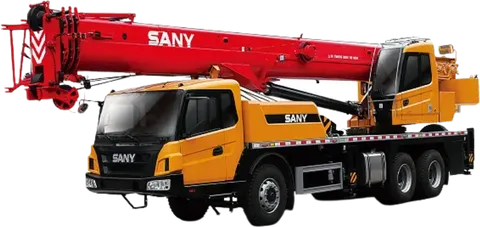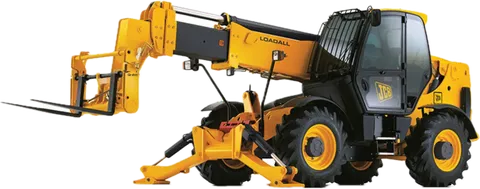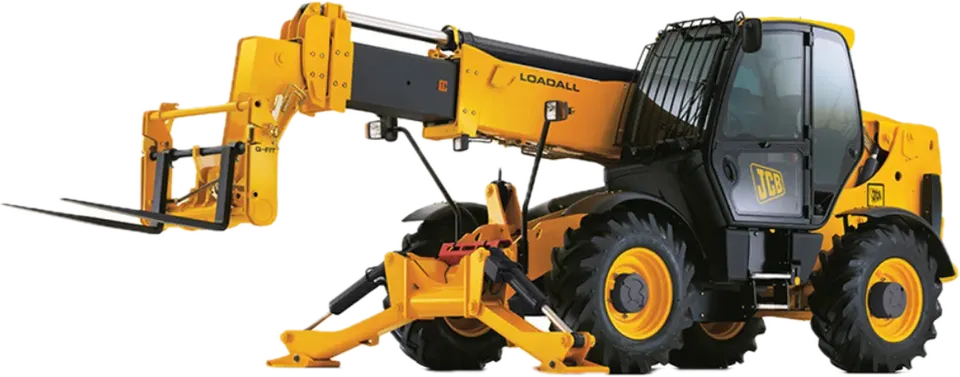
This guide is for contractors, farm owners and workshop owners who keep renting the same machine and wonder if owning one would pay. It helps you decide rent vs buy heavy equipment with a short test: days of use, length and certainty of the need, and who carries the ownership burden. You need your job records, one rental quote and a sale price for the same machine.
Rent vs buy heavy equipment: what is the real question?
Most people start with price. But a machine that is cheap to buy is still a bad purchase if it sits idle most of the year. The real question is: how often will it work? Utilisation means the days or hours per year the machine does paid or useful work. For example, working 60 days a year means about 300 days when the machine earns nothing and still needs space, insurance and care.
Watch out. Common mistake: comparing one day's rental rate with the purchase price. Compare a full year of your real use with a full year of owning.
What does owning add that renting does not?
Owning gives you a machine that is always there. It also brings costs and tasks that a rental usually moves, wholly or partly, to the supplier:
- Money tied up and loss of value. The purchase cost sits in the machine whether it works or not.
- Storage or yard space, and a secure place for it to stand.
- Scheduled maintenance and repairs, including downtime while it waits for a part, when you often have to rent a replacement anyway.
- Insurance for the machine and its use, which you should confirm with your insurer.
- An operator on the payroll, or a plan to find a qualified one each time, with the training and certificates your site owner requires.
- Inspections and certification, where the machine type needs them. Lifting equipment is the clearest case. Requirements differ by site owner, municipality and insurer, so confirm them before you buy.
- Transport between sites, often on a lowbed or trailer that you also need.
Renting turns much of this into a quote per project. What the quote covers varies, so ask whether the operator, insurance, delivery and fuel are included.
When does renting win?
You can usually end the hire when the job ends, so check the minimum hire period first. It also suits specialised one-off work: a crane for a single heavy lift is rarely worth owning.
Renting is not only a day rate. A longer hire may carry a lower daily cost, but not always (see what an equipment rental rate includes), and suppliers on Maedah list daily, weekly and monthly rates. A hire of a few months is the middle path.
When does buying win?
An owned machine is there in the busy season, when every other site is also asking for one, and you control its condition.
Buying does not end renting: buy for the work you have every day, and rent for busy periods, breakdown cover and one-off jobs. A standard type that stays useful across your jobs is the best candidate, such as a generator that runs a camp or a plant every day. Check the unit is rated for prime or continuous duty (made to run for long hours every day), not only standby (for emergencies); see prime, standby and continuous generator ratings.
Rent vs buy: which questions point where?
| Question | Points to renting | Points to buying |
|---|---|---|
| How long is the need? | Weeks or months | Years |
| How predictable and varied is it? | Uncertain, seasonal, different sizes | Steady, planned, one standard machine |
| Would a monthly hire cover it? | Yes, for the months you need | No, you need it every working day for years |
| Do you have a yard, a workshop and an operator? | No, or only sometimes | Yes, trained |
| How much idle time is likely? | A lot | Very little |
| Can you accept breakdown risk? | Prefer the supplier carries it | You can repair and cover downtime |
If most answers sit in one column, that is your direction. If they are split, renting first is the safer way to find out.
Should you rent first, or buy used?
Without records, renting first is a sensible way to get them: rent the same type for a season and log the days it works.
Buying used lowers the starting commitment but adds uncertainty about condition and history; see new or used equipment: how to decide. Cash flow and tax depend on your own situation, so take them to your accountant, with the questions in buying equipment: cash, finance or rent.
A worked example
This is an invented example in abstract units, not currency. Say owning costs 120 units a year in fixed costs, including the yearly loss of value. Hire is 2 units a working day, and your own running cost is 0.5 a day.
Break-even = 120 ÷ (2 − 0.5) = 80 days a year. At 60 working days a year, owning costs 150 (120 + 60 × 0.5) against 120 for hiring, so rent. At 200 days, owning costs 220 against 400, so buying deserves a look.
Now take a 20-tonne excavator. A small contractor with three jobs a year of two to three weeks sits far below any sensible break-even. A firm on a multi-year maintenance contract, with a yard, a mechanic and an operator, sits far above it.
How do you run the decision in practice?
Do these in order and write the answers down.
- Pull your records. Count the days a similar machine really worked in each of the last few seasons, and mark the idle days and the weeks when two machines were needed at once. Then go through the table above and note which column each answer falls in.
- Get one real rental quote for the same machine. Ask for the rate for the length of hire you would really need, weekly or monthly, not only daily. Note exactly what it includes: operator, fuel, insurance, delivery.
- Get a sale price for the same machine (a sale listing is a fair first reference). Work out the yearly cost of the money tied up in it: the interest, or what that money would earn elsewhere.
- Estimate the loss of value per year: purchase price minus a cautious resale value, divided by the years you will keep it. Test again with resale at zero. If buying only wins when resale is high, it does not win.
- Add the other yearly fixed costs: insurance (ask your insurer for a figure for this machine), yard space, and an operator if you employ one. Make this cover the same scope as the quote: if the quote includes the operator, fuel or delivery, add those to the owning side too.
- Work out your own daily running cost: fuel, wear and repairs. These rise with every working day, so they are not part of the fixed cost.
- Work out the hire cost per working day for the hire length you would really use: a weekly or monthly rate divided by the days you would actually need the machine in that period. Add the yearly costs from steps 3, 4 and 5, then divide by this hire cost minus your daily running cost. The result is your break-even.
- Compare it with your honest days of use. If they are well above the break-even and you can carry the burden, buying deserves a look. If they are below it, rent.
For the running costs behind these answers, see what drives heavy equipment operating costs.
How to do this on Maedah
Maedah lists machines for sale and for rent in one place. Browse rental and sale listings of the same machine type as a first reference for the rates and the sale price you need in steps 2 and 3.
When you want a firm figure for your dates and site, post a request with the machine, quantity, city, site on the map and dates. Sealed quotes line up side by side, and you agree price and payment with the supplier. See how to rent heavy equipment in Saudi Arabia.