This guide is for contractors, project coordinators and students who plan or follow a road or access-road job. It lists the road construction equipment in order of use, so you know which machine arrives when, what it must finish, and what the next crew needs from it. Layer thicknesses and density targets are not here: your design and specification set those.
What are the stages of building a road, from clearing to marking?
Road building follows a sequence. The names change from project to project, but the order does not:
- Clearing and earthworks (cut and fill).
- Subgrade preparation.
- Sub-base and base layers.
- Prime coat or tack coat.
- Asphalt layers.
- Drainage finishing, signs and line marking.
Utilities and drainage are normally done before the base is closed. If a pipe or duct has to cross the road later, the finished layers must be cut open and rebuilt.
| Stage | Main machines | Must be achieved before the next stage | Hand-off |
|---|---|---|---|
| Clearing and earthworks | Excavator, bulldozer, dump truck | Ground cut and filled to the designed levels | Survey check of levels |
| Subgrade | Motor grader, roller, water tanker | Shaped to levels and crossfall, compacted | Compaction and level check |
| Sub-base and base | Dump truck, grader, roller, water tanker | Each layer compacted to the specification | Layer-by-layer check |
| Prime or tack coat | Asphalt distributor, sweeper | Even, clean, correctly sprayed surface | Surface clean and dry enough to bond |
| Asphalt layers | Paver, trucks, rollers | Mix spread and compacted while workable | Layer check, then next layer or opening |
| Finishing | Road marking machine, hand crews | Surface complete and clean | Line marking and signs |
Which machines clear, cut and fill: excavators, bulldozers and dump trucks?
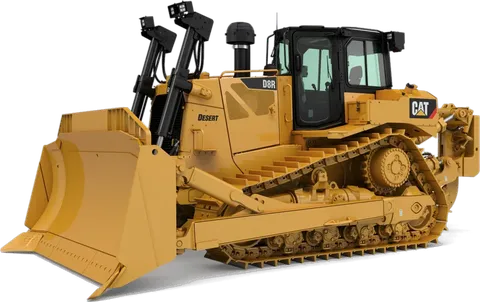
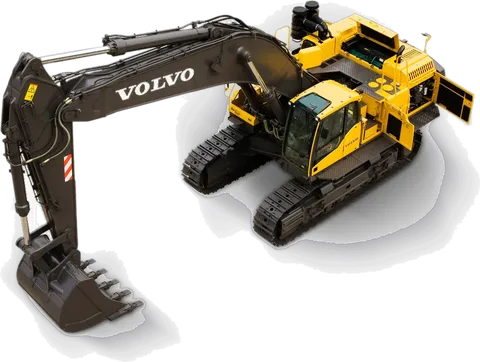
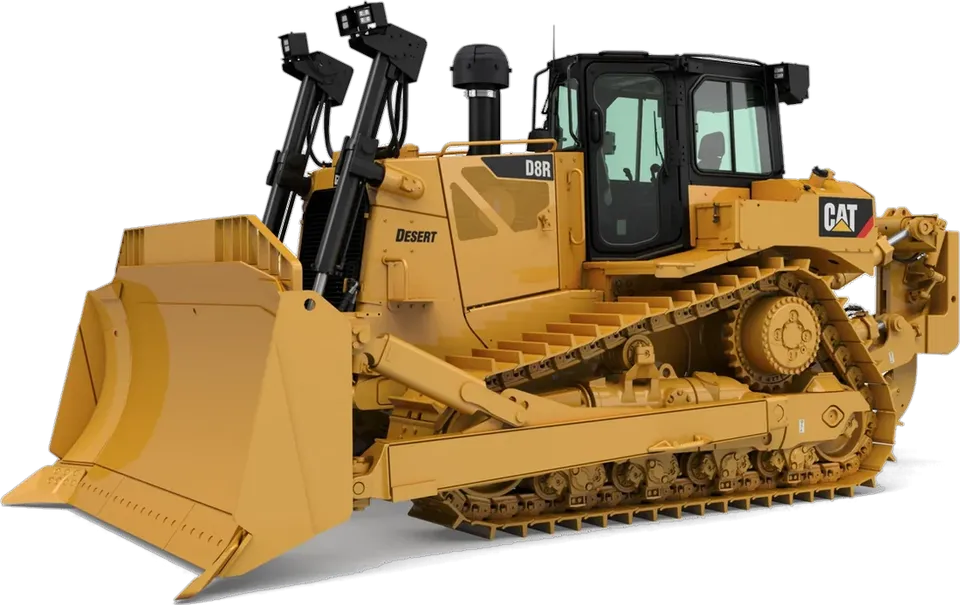
Earthworks set the shape of the whole road, so mistakes here carry into every layer. Excavators dig trenches and load trucks. Bulldozers clear vegetation, push and spread material, and rough-level the ground. Dump trucks carry cut material away or bring fill in.
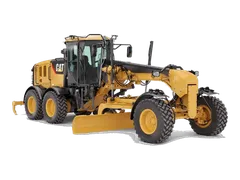
A motor grader normally joins later, once the bulk earthwork is in place. If you are unsure which earthmoving machine suits which task, read which earthmoving machine does what. For hauling, rigid and articulated dump trucks suit different ground and haul distances.
Tip. Match truck numbers to the loading machine. Too few trucks leave the excavator idle. Too many queue on site and cut up the ground you just shaped.
How is the subgrade shaped and compacted: graders, rollers and water tankers?
The subgrade is the ground the road sits on. A motor grader shapes it to the designed levels and crossfall. Crossfall is the side-to-side slope that lets water run off the surface.
Rollers compact the material to the density the specification requires. A water tanker (see water tanker hire) brings the material to the moisture it needs for compaction. Material that is too dry or too wet often cannot reach the required density, however many passes the roller makes. The specification and the site laboratory define the right moisture range.
Typical hand-off: the subgrade is checked for level and compaction, and only then is the first layer above it placed. If the check fails, the fix happens now. It is far cheaper than a failure after asphalt.
How are the base layers laid and compacted?
Sub-base and base layers are placed in layers, not all at once. A common pattern for each layer:
- Trucks tip the material in the planned spacing.
- The grader spreads and shapes it.
- The water tanker adjusts moisture where needed.
- Rollers compact it.
- The layer is checked on site before the next one goes on top.
The sequence repeats until the base is complete. Layer thickness, materials and compaction targets are in your specification, so do not copy them from another project.
Roller type and size matter, and the choice depends on the material and the space. For that decision, see plate compactor, rammer or roller.
What do the asphalt distributor, paver and rollers each do?
An asphalt distributor sprays bitumen. It is used as a prime coat on an unbound base, or as a tack coat between asphalt layers. The aim is the same: the layers must bond, so the surface does not slip or peel later. The surface should be swept clean first.
The asphalt paver then spreads the hot mix to a controlled thickness and level. Rollers follow close behind, because the mix must be compacted while it is still hot enough to work. This is why paver, trucks and rollers work as one coordinated train:
- Trucks must arrive steadily and tip into the paver without gaps.
- The paver should move at a steady pace, with as few stops as possible.
- Rollers must keep up and must not wait for the mix to cool.
Rolling is usually split into roles: a first roller close behind the paver, a second that follows, and a finishing roller that removes marks. Ask the supplier how many rollers your layer and mix need.
The weak link sets the pace for all three. Check the truck count, the plant's output and the haul distance before laying day, not on the day.
Line marking comes last. A road marking machine applies the lines once the surface is complete and clean, and hand crews finish signs and drainage details around it.
Watch out. Hot mix does not wait. A breakdown of one machine in the train can mean lost material, so ask each supplier about backup machines and operators. Bitumen and hot mix are hot: keep people and vehicles clear of working machines, and follow the site's traffic and safety rules.
Which machines are used for repair and resurfacing: milling, sweeping and tack coat?
Resurfacing starts by removing material instead of building up. A milling machine removes the worn surface to the required depth. A road sweeper then cleans the surface of dust and loose material. After the tack coat, the new layer is laid with the paver and rollers.
| Step | Machine | Purpose |
|---|---|---|
| 1 | Milling machine | Remove worn surface to the required depth |
| 2 | Road sweeper | Clean the surface so the new layer bonds |
| 3 | Asphalt distributor | Spray the tack coat |
| 4 | Paver and rollers | Lay and compact the new layer |
Milled material is usually trucked away, so plan the dump trucks as well as the milling machine.
What delays a road job, and how do you keep the machines busy in sequence?
Most delays are hand-off problems, not machine problems:
- Failed layer check. A layer that fails compaction or level is reworked before the next stage starts. Every machine behind it waits.
- Late utilities. Pipes or ducts added after the base is closed mean cutting and rebuilding it.
- Dirty or wet surface. A tack coat on dust or standing water does not bond. Sweeping is not optional.
- Paving train gaps. Too few trucks, or a roller that arrives late, wastes the hot mix.
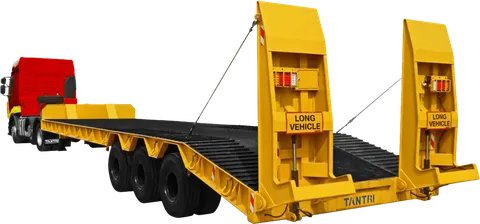
- Mobilisation. Large machines such as pavers and milling machines often travel on low-loaders. Oversize-load rules and permits differ by route and authority, so plan the route and permits early; moving equipment from port to site explains what to plan.
- Heat and dust. In summer, check working hours and rest breaks for operators (Ramadan and summer scheduling). Rules and site policies differ, so confirm them with the site owner. Dust affects sweeping, bonding and machine filters (protecting machines from dust and heat).
To avoid paying for idle machines, hire per stage. Book each machine for its stage and ask the supplier for a start date that matches your hand-off date. Planning equipment by construction phase shows how to build that schedule. Requirements differ by project, site owner, municipality and insurer, so confirm them before mobilising.
How to do this on Maedah
Post one request with the machines for the stage you are about to start, the quantity, the city, the site on the map and the dates. If you need several machines, such as a grader, rollers and a water tanker, put them in one project request. Add requirements such as an operator, insurance or an urgent start.
Suppliers who offer those categories and serve your city send sealed quotes, shown side by side. Compare what each includes (operator, transport, fuel arrangements), the response time and the rating, then agree the details with the supplier.