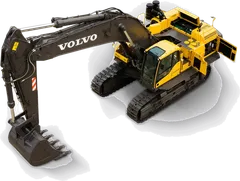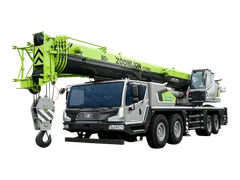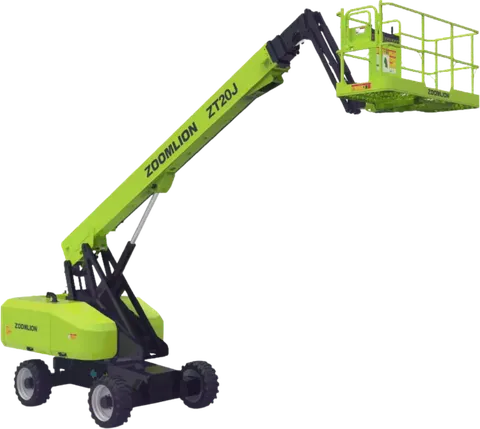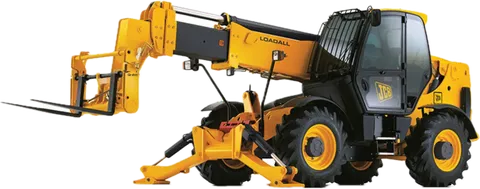
Use this equipment rental agreement checklist after you pick a quote and before you sign, or reply "confirmed" to a message. The terms are grouped by when they start to matter: before delivery, during the hire, when something goes wrong and at return. Each one comes with a question for the supplier.
Why put an equipment rental agreement in writing?
A rental contract is the agreement between you and the supplier. If it is vague, each side fills the gaps with its own assumptions: one thought fuel was included, the other did not.
It does not need to be long. One page, or a clear exchange of messages that both sides confirm, is a sensible minimum for a short, simple hire, as long as every term below has an answer someone can read later. Write the terms in a language both sides read, and keep a copy each.
Note. For large or long hires, ask a qualified person to review the contract. This checklist helps you ask the right questions. It does not replace that review.
Who, what and where: the basics every contract names
These terms matter before delivery. Get them wrong and the wrong machine arrives, or none.
| Term | Write down | Ask the supplier |
|---|---|---|
| Parties | Legal names, and the commercial registration and VAT numbers of each company, and who is authorised to sign | "Which legal entity signs and invoices?" |
| Machine | Make, model, year, plate or serial number | "Which exact unit will arrive?" |
| Site | Full address, a map location and the access route. Overhead lines and buried services need checking before delivery; agree who does it | "Who confirms the access route and that the ground and space can take the machine?" |
| Dates | Start date and time window, end date | "How is the period counted: calendar days or working days?" |
| Late delivery | What happens to the start date | "If the machine arrives late or not at all, what happens to the start date and what can I do?" |
| Site access | Gate pass, induction or papers the site owner requires | "Does your driver or operator need anything to get in?" |
| Contacts | A named person and a phone number on each side | "Who do I call on site, and who do you call?" |
The serial number matters most. It helps stop a smaller or older machine from being swapped in without you noticing, and it lets you check the machine against its papers. At handover, photograph the machine on all sides with the hour meter showing; the handover checklist lists what to record.
Money terms: rate basis, hours and payment
These terms matter during the hire and when you are invoiced. For a full list of what a rate may cover, read what an equipment rental rate includes and leaves out.
Agree these points in writing:
- Rate and unit. Is the rate per hour, per day, per week or per month?
- Working hours. How many hours count in one day? What counts as a working day?
- Overtime. How is time beyond the agreed hours charged?
- How hours are counted. By hour meter, by daily timesheet signed by both sides, or by hours on site? Agree which, and who signs each day. Ask: which reading or sheet do we invoice from?
- Idle time. Are days with no work, for example because of weather or a site delay, charged?
- VAT. Is it included in the rate or added on top? ZATCA publishes the VAT rules, so ask your accountant if you are unsure.
- Payment. How and when is payment made: before, monthly or after return? On what document?
A common mistake is to compare a daily rate with a monthly rate without checking the hours behind each.
Operator, fuel, transport and daily care: who provides what
Each of these can add cost or delay on the first day. Write a name next to each item.
| Item | Options | Question to ask |
|---|---|---|
| Operator | Supplier's operator, or your own | "Is the operator included? For how many hours a day?" |
| Fuel | Supplier supplies, or you supply | "Who fills the tank, and who pays?" |
| Transport | Supplier delivers and collects, or you arrange | "Is transport in both directions included?" |
| Attachments | Bucket, breaker, forks, spreader bars and similar | "Which attachments come with the machine?" |
| Accessories | Slings, shackles, outrigger pads, keys | "What exactly is on the delivery list?" |
| Routine care | Your crew or the supplier's | "Who checks oil, water and grease daily?" |
| Permitted use | This site and this work only, or wider | "Is sub-hire or work at another site allowed?" |
If you bring your own operator, ask the supplier to confirm in writing that the operator is accepted and the machine's insurance still applies.
Wet hire usually means the machine comes with its operator; dry hire means the machine alone. Some suppliers also count fuel under "wet", so ask which one the quote is and write down what it includes. See wet hire vs dry hire.
Safety, certificates and insurance
For machines that need inspection, such as cranes and other lifting equipment, ask for the supplier's current inspection certificate. Write down its expiry date. Agree what happens if it expires during the hire: who arranges the new inspection, and that the machine stays idle until a valid certificate is in place.
Also ask for:
- The operator's licence or competence papers, where an operator is supplied. For a crane or other lifting work, also ask who prepares the lift plan.
- The site owner's requirements. Requirements differ by project, site owner, municipality and insurer. Confirm them before mobilising.
- Any manuals or load charts that must stay with the machine.
Next, agree who is responsible for damage to the machine, loss or theft, and claims by third parties. Ask what insurance each side holds, and ask the insurer directly what is covered while the machine is on your site. The guide on insurance questions to settle before a machine arrives lists what to ask.
What if the machine breaks down or is damaged?
- Response. How fast must the supplier respond to a breakdown report? Who do you call, and at what hours?
- Replacement. Will the supplier provide a replacement machine? How soon, and of the same type?
- Hire time. Is the rate still charged while the machine is down? From which hour is it paused?
- Cause. Who decides if the fault comes from wear or from misuse? What evidence is used, such as photos and the operator's report?
- Notice. How must a fault be reported (phone, message, to whom), and does the message count as the official report?
The steps on site are in what to do when a rented machine breaks down.
Cancellation, extension, early return and disputes
Agree these before the machine moves. Once it is on site, they are hard to settle.
- Cancellation. Can you cancel before delivery, and is anything charged?
- Minimum hire. Is there a minimum period? What happens if you finish earlier?
- Extension. How much notice is needed? Is the rate the same, and will the machine still be available?
- Early return. Can you return it early, and is any part of the period still charged?
- Deposit. Is one required? When and how is it returned, and what can be deducted from it?
- Return condition. In what state, with what fuel level and cleanliness, must it come back?
- Collection. Who collects it, and when does the hire stop: at the site or at the yard?
- Changes. Who on each side may agree a change, such as extra days, a new site or an extra attachment? Confirm every change in writing.
- Disputes. Who do you contact first, and how are disagreements raised?
The detail on each of these is in rental deposits, extensions and early return.
How to do this on Maedah
When you post a request, enter the machine, quantity, city, site on the map and dates. Add requirements such as a driver, insurance or TÜV inspection.
When quotes arrive, compare them side by side and check what each supplier included. Use chat to ask the questions in this guide. Accepting a quote creates a booking and closes the others. Maedah does not process payments or write the contract: you agree terms and payment with the supplier.