You have the drawings and a programme, and now you need a hire list that matches the work. This guide is for contractors, developers and project managers on a steel-frame warehouse or light factory shed. It takes the equipment for warehouse construction in build order and names the one fact that decides each big hire.
What are the stages of a steel-frame warehouse build?
A steel-frame building arrives as fabricated members (columns, rafters, purlins) plus sheeting. They are erected on prepared foundations with anchor bolts, following the erection plan from the steel supplier or the engineer. Each big hire is tied to one stage, so if a stage slips, the hire behind it slips too.
| Stage | What drives the equipment | Machines usually involved |
|---|---|---|
| Site preparation | Levels, fill and access | Excavators, loaders, tippers, rollers, water tankers |
| Foundations | Soil report and design | Excavators; piling rigs only if the engineer requires them |
| Floor slab | Slab size and pour method | Concrete pump, power trowels, floor saw |
| Steel erection | Heaviest and longest member | Crane, access lifts, forklift or telehandler |
| Roof and cladding | Height and edge access | Boom lifts, scissor lifts, telehandler |
For all building types, see how to plan equipment by construction phase.
What does site preparation and earthworks need?
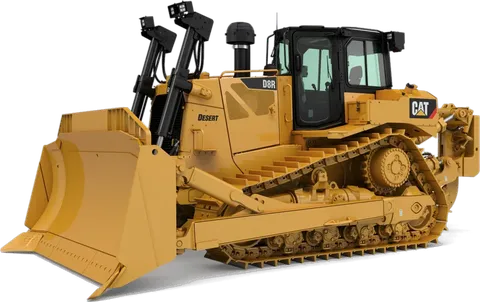
Earthworks set the platform. Typical machines are excavators, wheel loaders and tipper trucks for moving soil, rollers for compacting fill, and water tankers for compaction and dust control. The engineer sets the fill, the layer thickness and the compaction requirement, so do not size the roller fleet from habit.
Tip. Plan the crane's standing area now: firm, level ground is easier to build in this stage than to fix later. Ask the crane supplier for the outrigger loads, and ask the engineer whether the ground can carry them.
Foundations: when do you need piling instead of simple footings?
Anchor bolts set in the foundations hold the steel down. Check their positions against the steel drawings before the steel arrives. A wrong bolt is hard to fix once the concrete has set.
Piling is used when the soil investigation, also called the geotechnical report, shows that shallow footings are not enough. The engineer makes that decision, and the drawings and the report then decide the pile type and the rig. Piling rig types: bored, CFA and driven piles explains the differences, and pile drivers lists suppliers.
Ask the piling supplier what access and working platform the rig needs, and what support machines come with it, such as a crane or a concrete supply.
What does the floor slab need: pump, trowels and saw?
Large floor slabs are poured in bays. Each bay is finished with power trowels, and the joints are cut with a floor saw at the time the specification gives. In hot weather the specification may set pouring and curing rules, so ask the engineer before you plan pour times.
A pump earns its place in three cases: mixer trucks cannot reach the bays, a bay is too far from truck access, or the pour rate must be held. If trucks can reach every bay and discharge by chute, you may not need one. A pump needs access for itself and for the mixer trucks, a firm stand, and a clear line of placing. To match the pump type to the slab, read boom pump vs line pump.
The number of trowels follows the bay size and how fast the concrete sets, and heat shortens the finishing window. Ask the slab contractor for their trowel and pour plan before you book, because they may bring their own finishing machines. Have the floor saw, fuel and spare blades ready for the joint-cutting time.
Steel erection: which crane and which access equipment?
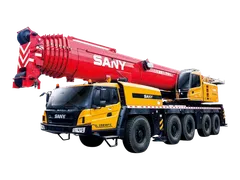
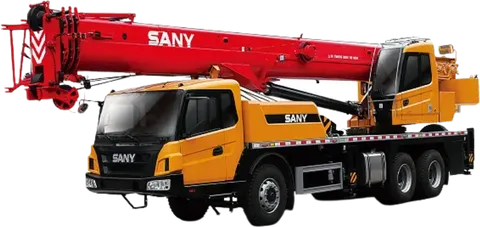
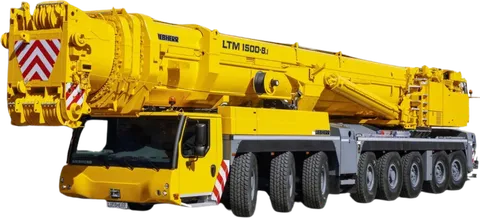
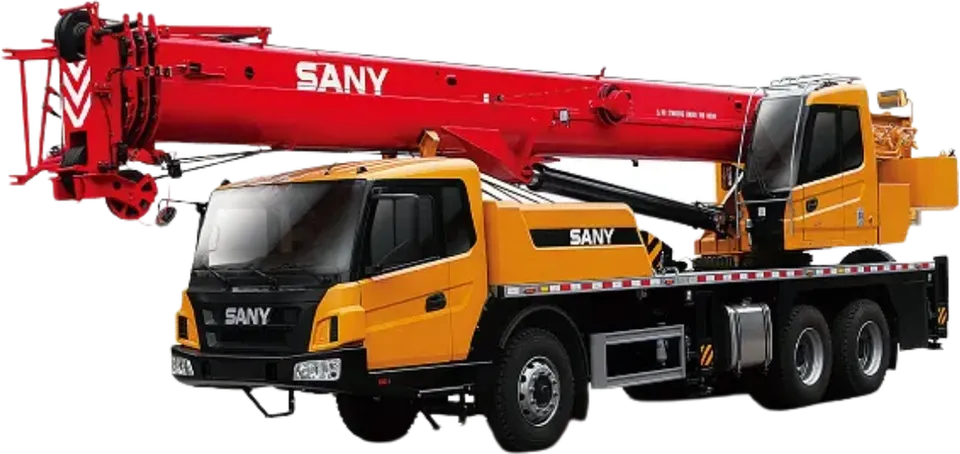
This stage is often the biggest single hire. The crane is chosen by the heaviest lift and the longest member, and by the radius and height it must reach from where it can stand.
For example, say the heaviest lift is a long rafter placed at the ridge, and the only firm standing ground is outside the building line. The radius from there, not the weight alone, may then decide the crane. How to choose crane capacity for your heaviest lift shows how to read the rating. Browse cranes once you have the numbers.
Send the crane supplier these facts with your request:
- The weight of the heaviest and the longest member, from the steel erector.
- Where each is picked up and where it lands, so the supplier can work out the radius.
- The height of the eaves and ridge.
- The ground where the crane will stand, and what it is made of.
- The erection start and finish dates.
Plan boom or scissor lifts for bolting up, and a forklift or telehandler for smaller members and bundles, at the same time.
Ask for the crane's current inspection certificate (what to check on it) and the operator's valid certificate, as the site and client require. Also ask who prepares and approves the lift plan (crane lift plan checklist), and confirm it in writing with the crane supplier, the steel erector and the site safety lead.
Roof sheeting and cladding: lifts for work at height
The choice of lift depends on where the work is.
| Lift | Suits | Watch out for |
|---|---|---|
| Boom lift | Reaching along eaves and over obstacles outside | Firm, level ground for the base |
| Scissor lift | Level floors; work on the underside of the roof (purlins, bracing, services) | Wheel loads on a new slab |
| Telehandler | Lifting sheet bundles to the eaves | Its load chart at full reach, a secured load and the ground at the unloading point |
A scissor lift on a new slab puts concentrated wheel loads on it. Ask the lift supplier for the machine's wheel loads, then ask the engineer or slab contractor whether the slab, at its age, can carry them.
Tip. Wind limits apply to lifts, telehandlers and cranes, and sheets catch the wind. Ask each supplier for the maker's wind limit for the machine, agree who may stop the work, and plan roof work for calmer hours. Dust and summer heat also affect working hours, so confirm site rules before planning shifts.
All roof and eave work needs edge protection and fall-protection arrangements set by the site safety plan. A lift does not replace them. For a full comparison, see scissor lift or man lift: which do you need.
Deliveries, power and site facilities
Structural steel and cladding arrive on trailers. Decide who unloads, with which forklift, telehandler or crane, and where the loads are laid out before the first trailer arrives.
A common mistake is to book the crane for erection only, so trailers queue with no machine to unload them.
- Power: a generator for welding, tools and site lighting, if the grid connection is not yet available.
- Site facilities: site cabins for the office, storage and welfare.
- Laydown area: firm, level ground for steel, within the crane's reach but clear of its travel path and of people and traffic. Agree the layout with the steel erector and the crane supplier, because pick-up points set the radius.
How to do this on Maedah
Post one project request for the stage you are about to hire: machines and quantities, the city and site on the map, the dates, and requirements such as operator, insurance or inspection certificates. Suppliers who offer those categories and serve your city send sealed quotes, side by side, so you can compare what is included, the response time and the rating. Post a request, then agree the price and payment with the supplier you choose.