The types of piling rigs follow the pile method, so quotes only compare when every contractor prices the same one. This guide is for developers, project engineers and buyers who collect piling quotes. It shows how each pile type is made, what it needs from the site and what to ask.
What does a pile do, and who chooses the pile type?
A pile carries a building's load down through weak or loose ground to firmer soil or rock. It does this in two ways. In end bearing, the pile tip rests on a firm layer. In friction, the load passes into the ground along the shaft. A pile can use both.
The structural and geotechnical engineers choose the pile type, length and diameter from the ground investigation. The rig supplier does not. Your task is to match the rig to the design, not to change it.
Watch out. Common mistake: asking for "a piling rig" with no pile type. Suppliers then quote different methods and you cannot compare them. Send the pile type, diameter and length from the drawings.
Bored piles: how are they made?
A bored pile is drilled with a rotary rig. Where the ground is unstable, the hole is held open by steel casing or by drilling fluid. Then the work follows this order:
- The rig drills to the design depth.
- The reinforcement cage is lowered into the hole.
- Concrete is placed from the bottom by a tremie pipe where the hole holds fluid or water. The concrete pushes that fluid or water upwards and out.
- Any temporary casing is withdrawn as the concrete rises.
Vibration is usually lower than with driving, which can suit sites near existing buildings. Installing and withdrawing casing can still cause some, so ask the contractor. The trade-off is spoil: every hole brings up soil that must be handled and carried away. If drilling fluid is used, it also needs mixing, storage and cleaning, which takes space on site. Bored rigs can be fitted with rock tooling to drill into hard layers, which is why they are often considered where CFA or driving would stop; the engineer decides from the ground report. Open pile holes are a fall hazard: ask how they will be covered or barricaded until they are concreted.
How do CFA piles work?
In continuous flight auger (CFA) piling, a hollow-stem auger is drilled to depth in one continuous action. Concrete is then pumped through the hollow stem as the auger is slowly withdrawn. The reinforcement cage is pushed into the fresh concrete afterwards.
CFA needs no casing or drilling fluid, because the auger stays in the hole and supports the ground until concrete replaces it. In exchange it needs a steady concrete supply. If the concrete supply is interrupted, or the auger is withdrawn at the wrong rate, the pile can have a defect. The rig's depth and diameter limits must also cover the design.
Very hard layers or obstructions in the ground can stop an auger, and these are usually the real limit on where CFA works. See the piling rigs category for machines listed with their specifications.
Driven piles: what are they, and why do noise and vibration matter?
Driven piles are made before they reach the site: precast concrete, steel H-section or steel tube piles. They are driven into the ground by a drop hammer, a hydraulic hammer or a diesel hammer. A vibratory hammer can also place some piles.
A driven pile mostly displaces the ground instead of removing it. That means little spoil, but it also means noise and vibration. Check with the design engineer and the site owner whether nearby buildings, services or neighbours limit what is acceptable.
Driven piles are normally checked against driving records. One is the set: how far the pile sinks per hammer blow (or per group of blows) at the end of driving. Ask the contractor how they will record and report it. Hammer rigs are listed under pile drivers. A driven pile can stop short on a hard layer; the engineer decides what happens then.
Precast piles must be stored and lifted, so allow space and a crane for handling.
Types of piling rigs compared: ground, vibration, risk and spoil
Use this table to understand the differences.
| Bored | CFA | Driven | |
|---|---|---|---|
| Ground | Many ground types, with casing or fluid where unstable; rock tooling can drill into hard layers. | Many soil types, including loose or wet ground, without casing; very hard layers and obstructions are the limit. | Ground is displaced; the engineer confirms it suits. |
| Vibration and noise | Usually lower than driving; rig noise. | Usually lower than driving; rig noise. | Usually the highest; hammer noise is the main concern. |
| Spoil | Yes, from every hole; fluid plant if used. | Yes, from the auger. | Little compared with drilled piles. |
| Concrete | Placed by tremie pipe where the hole holds fluid or water. | Pumped steadily through the stem. | Piles arrive already made; concrete is not placed to form them (tube piles may be filled afterwards if the design says so). |
| Main risk | Hole collapse; open holes. | Interrupted concrete supply; obstructions. | Vibration; piles stopping on hard layers. |
| Access | Rig plus support plant and spoil route. | Rig plus pump and concrete trucks. | Rig plus pile storage and handling. |
Coastal sites, high groundwater and sabkha: what changes?
Open holes can collapse in loose ground, and water in the hole changes how concrete is placed. Salts in sabkha and coastal groundwater can also attack concrete and steel, so the engineer specifies the concrete mix and any protection.
For example, say a warehouse is planned on loose sand near the coast with shallow groundwater. A bored method may need casing or fluid, CFA relies on the auger to support the hole, and a driven pile displaces the ground. The engineer decides which is acceptable.
Requirements differ by project, site owner, municipality and insurer, so confirm them before mobilising.
What does the rig need on site, and what should you ask?
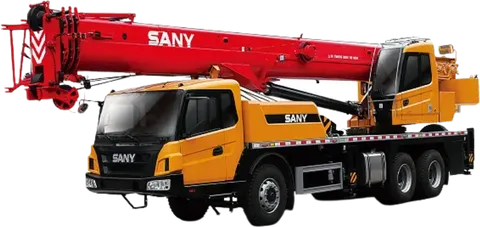
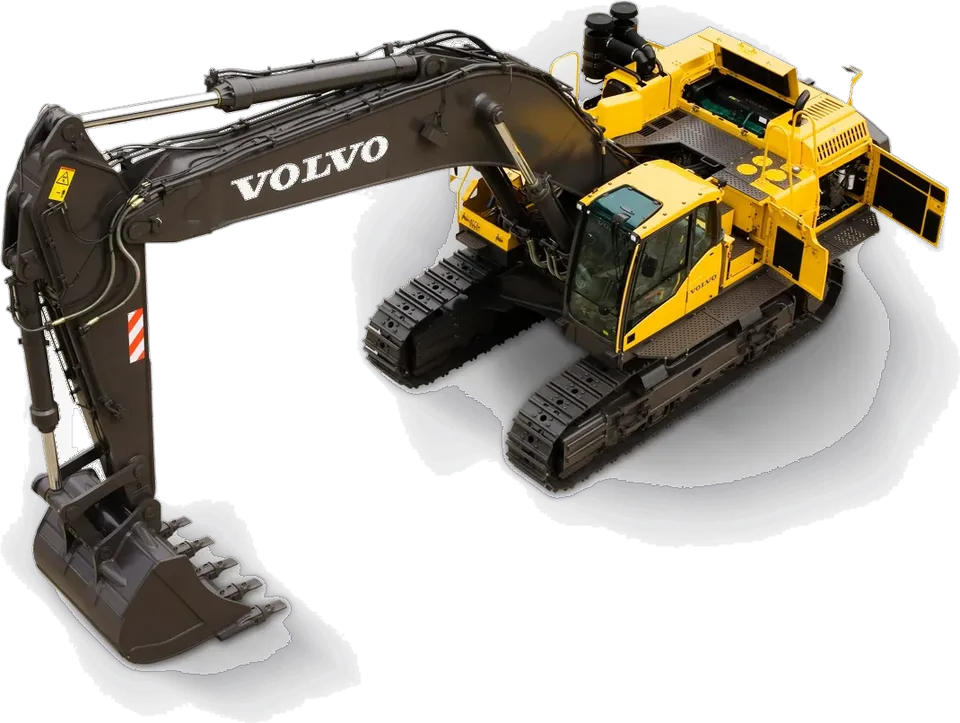
Piling rigs are heavy and top-heavy and need a firm, level working platform. Ask who designs and builds it and who signs it off. Also check for overhead lines and underground services before the rig moves.
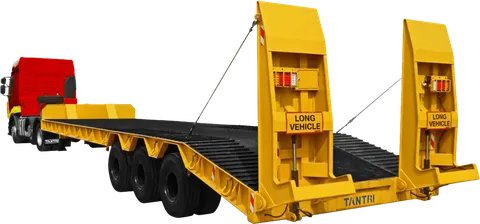
A large rig often arrives in parts and is assembled on site. Read the lowbed pre-trip checklist for the route and delivery.
The rig is rarely the only machine to arrange:
- A crane or excavator to lift the cage and move spoil.
- A concrete supply that matches the rig's pace, with hot-weather planning in summer.
- A way to remove spoil from site, and somewhere to put it.
- Space for storing cages or precast piles.
Send every supplier the same pack: pile type, diameter, length and number of piles from the drawings, the geotechnical report, and a site plan showing access, overhead lines and services. Then ask each supplier:
- Which pile type, diameter and length is the quote for?
- What are the rig's maximum depth and diameter, and do they cover the design with margin?
- Is the operator included, and are the support machines?
- What working platform and access does the rig need?
- Can you send a method statement for this ground, and who does any test piles?
- How will pile records be kept and handed over?
- What does the quote assume about ground and groundwater?
- Are mobilisation, spoil removal and demobilisation inside the price or separate?
For the whole machine list, see finding industrial site equipment requirements and equipment for a warehouse build.
How to do this on Maedah
Post a request once: the piling rig or pile driver, the support machines, the city, the site on the map and the dates. In the notes, give the pile type, diameter and length from the drawings. Several machines can go in one project request.
Suppliers who offer those categories in your city send sealed quotes. Compare them side by side: what is included, response time and rating. Chat about the ground report, then agree price and payment with the supplier directly.