This guide is for subcontractors, site planners and developer teams writing the equipment list for a large solar site. It settles which machines each stage needs, how to size them when one task repeats across the whole field, and what a remote, hot, dusty site must supply for itself. Solar farm construction equipment is planned as a moving wave of crews, not as a building-site sequence.
Which solar farm construction equipment does each stage need?
A large solar site is built in stages. The usual order is:
- Survey and clearing
- Grading and roads
- Foundations for the mounting structures
- Cable trenching
- Structure assembly
- Module installation
- Electrical stations
- Testing and commissioning
| Stage | Main machines | Plan for |
|---|---|---|
| Survey, clearing, grading, roads | Survey instruments, dozers, graders, excavators, tippers | Finished surface from the designer; water for compaction |
| Foundations | Piling rigs, survey instruments | Pile accuracy; who feeds the piles |
| Cable trenching | Trenchers, excavators, compactors | Existing buried services; backfill in layers |
| Structures and modules | Rough-terrain telehandlers and forklifts | Soft ground; load charts and attachments |
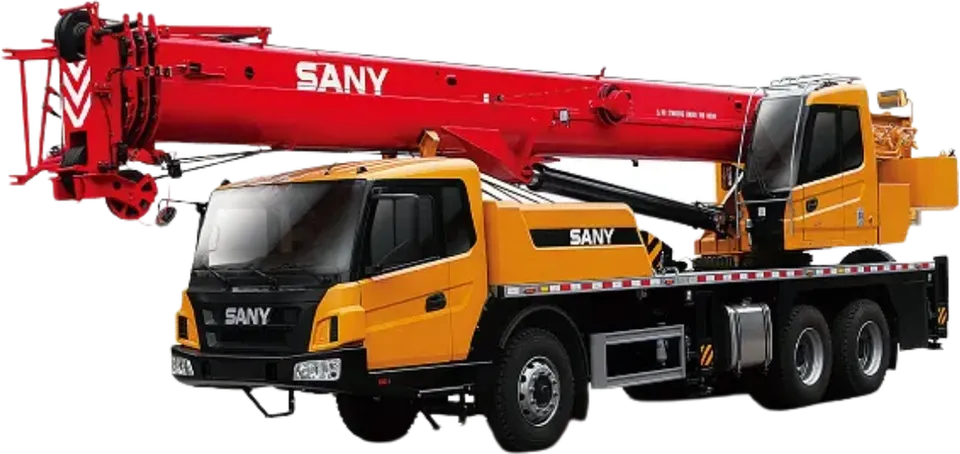
| Electrical stations | Mobile crane, trailers | Weight from delivery documents; lift plan |
| Testing and commissioning | Mainly electrical test work | Site power and access roads |
In practice the stages overlap. One crew may be piling a block of the field while another trenches behind it and a third assembles structures further on. So equipment is not needed one stage at a time: it moves across the field in a wave.
Because the same task repeats many times, the number of machines comes from a daily production target. Decide how much of a task, such as piles set or trench length dug, the crew must finish each day, then divide by what one machine achieves. Add a plan for breakdowns. The method is in how to estimate how many machines a project needs.
For the general method of matching machines to phases, see how to plan equipment by construction phase.
Site preparation: clearing, grading and access roads
The first machines are the ones that make the land workable: dozers, graders, excavators, loaders and tipper trucks. Compactors and a water tanker are needed once roads and working platforms are formed.
Two points are special to solar sites:
- The ground must be graded to suit the design, so ask the designer or site owner what finished surface is required before you choose machines.
- Access roads carry heavy deliveries for the whole job, so they need proper compaction, and compaction usually needs water.
Foundations: which piling machines and survey tools do you need?
Mounting structures commonly sit on driven steel piles. Screw piles or concrete footings are used in some places, depending on the soil and the design. The geotechnical investigation and the designer decide which one, not the equipment supplier and not the crew.
What you control is the accuracy of the work. Pile position, height and plumb must be right, because the structures have to line up across the field. That is why surveying instruments are used to set out the piles and then check them. Plan the survey team and its instruments with the same care as the piling machine.
For piling machines, see the pile drivers category. To understand how driven piles differ from bored and CFA piles, read types of piling rigs explained.
Ask the piling supplier:
- Which pile type and size can the machine drive, and does that match the design?
- What happens if it meets refusal, and who decides how to proceed?
- Who supplies the operator and the crew who feed the piles?
Watch out. This guide gives no pile or structural design advice. Pile type, size and depth come from the designer.
Cable trenching and backfill
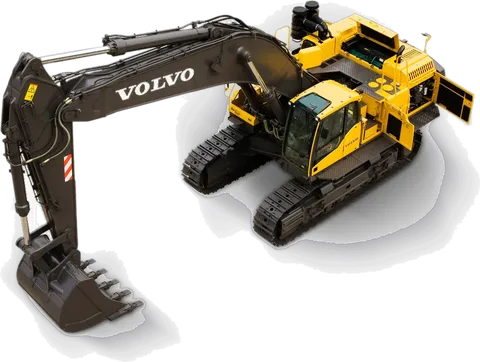
Cable trenches are dug with trenchers or excavators. A trencher suits long, straight runs in soil it can cut. An excavator suits short runs, junctions, awkward soil and the places a trencher cannot reach.
Depth, bedding and backfill follow the design specification. This guide names the machines only; the specification gives the details, so hand it to the supplier.
Watch out. Before any digging, find out where existing buried services and cables run, and follow the site's excavation and trench safety rules.
| Machine | Good for | Watch out for |
|---|---|---|
| Trencher | Long, straight cable runs | Hard or rocky ground; ask what soil it can cut |
| Excavator | Short runs, turns, junctions, difficult soil | Slower on long straight runs |
| Compactor and water supply | Backfill in layers | Needs water on site |
Ask the trencher supplier what ground conditions the machine can cut and what width the cutting chain makes, then compare that with the specification.
Structures and modules: handling on rough ground
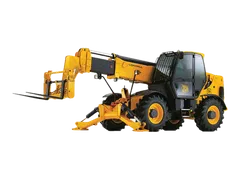
Structural parts and module pallets must travel around the field on soft, uneven ground. A standard warehouse forklift will struggle there. Rough-terrain telehandlers and forklifts are the common answer, because they have the tyres, ground clearance and reach for the job.
Match the machine to the load:
- Check the weight and size of a pallet of modules or structural parts against the machine's capacity at the reach you need. Capacity falls as the boom extends, so read the machine's load chart, not its headline capacity.
- Ask for the right attachments, such as forks that suit the pallets, and confirm they are rated for the load.
- Load charts assume the machine is on firm, level ground. Soft or sloping ground reduces what is safe, so grade and compact the routes the machine will use.
See the telehandlers category for what is listed. Also ask whether the operator is trained and certified on that machine type, as your site rules require (how to check an operator's competence).
Inverter and transformer stations: heavy lifts and transport
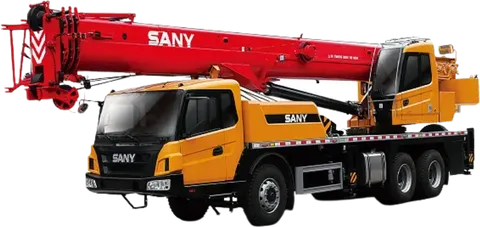
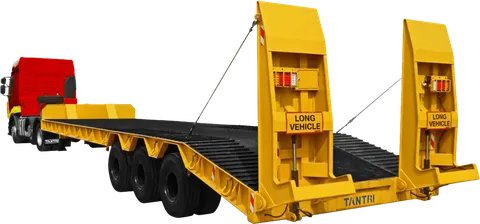
The inverter and transformer stations are among the heaviest items on the site. They usually travel on trailers and are set down with a mobile crane.
Size the crane from the weight on the delivery documents, then check the lifting radius, the ground under the crane and the route into the station position. Do not use a figure from memory or from a similar job.
Before booking, confirm:
- The station weight and the position of its lifting points, from the supplier's documents
- The trailer type and whether the access road can take it
- The crane's capacity at the radius you need, shown on its load chart, and the ground bearing and outrigger requirements
- Who prepares the lift plan (checklist) and who gives the signals
- The crane's current inspection certificate (what to check) and the operator's certification, as your client requires
Remote-site support: water, power, light and cabins
Remote sites normally need self-supplied power, water, fuel, cabins and toilets. Plan these early, because the field crews depend on them.
- Power: generators for tools, welding, offices and light. See how to rent a generator for a site.
- Water: for dust control and for compaction. See water tanker hire for construction sites.
- Fuel: a safe way to store it and a way to get it to machines in the field.
- Cabins and toilets: shade, drinking water and a place to rest are essential in the summer heat, and requirements differ by project, site owner and municipality, so confirm before mobilising.
- Light: if work runs outside daylight hours, plan tower lights.
Heat and dust can also shorten machine service intervals. Ask each supplier how they will service machines in the field, who changes filters and how often, and what the plan is if a machine breaks down far from a workshop.
How to do this on Maedah
Post one project request with every machine in the table: piling rig, trencher, telehandlers, crane, generators and water tanker. Put the city and the site pin on the map, since the site is remote. Add dates and requirements such as operator, insurance or an approval your client requires.
Suppliers who offer those categories and serve your city send sealed quotes, side by side. Compare what is included, such as operators and field servicing. Use the quote chat to settle site access. You agree price and payment with the supplier directly.