This guide is for rental companies, owner-operators and dealers who keep losing quotes to cheaper offers and feel pushed to cut. It gives you a cost checklist and a way to turn it into a floor rate, a table for choosing the rate structure, and five ways to win work without touching the headline rate. Use it before you answer the next quote.
Why does cutting the rate usually backfire?
A lower rate is the fastest thing to change, so it feels like the natural answer to a lost quote. But the costs stay the same when you cut the rate. Depreciation or finance, servicing, insurance and certification continue whatever the machine earns.
A customer who chooses you for the lowest number will compare the next quote the same way. A deep cut can also bring the wrong work: short, rushed or difficult jobs where the machine may take more wear. The lower price may not cover the extra repairs, downtime and disputes these jobs bring.
What must a rate cover? Build your floor from costs, not from competitors
Your floor rate is the lowest rate that covers your costs and leaves a margin, so the business can replace the machine. It is not a break-even figure. Write every cost down in words before you think about any number. A rate set only by looking at competitors skips most of this list.
Split the costs into two groups, because they are handled differently.
Fixed yearly costs. These continue whether or not the machine is hired:
- depreciation, or the finance cost if you borrowed to buy it
- maintenance and wear parts, including the major service that is coming, not only the last one
- insurance
- inspection and certification
- the yard and the workshop
- a margin
Costs that depend on the job. Price these as separate lines, or add them per job:
- the operator, when you supply one
- fuel, when you supply it
- transport to and from site
If you do not know a figure on the first list, ask the people who know it: your insurer for the renewal cost, your workshop for the next major service, and the inspection body for the certificate renewal. Idle days are not a separate cost line. They are covered by dividing by the days you can really hire the machine out, not by 365.
How do you turn the cost list into a floor rate?
Use one rule in words: floor day rate = fixed yearly costs, including the margin ÷ the days the machine really works in a normal year. Then add the job costs as their own lines or per job. That way you neither double-count the operator and transport nor leave them out. For the cost per hour of running, use the formula in heavy equipment operating cost factors.
The common mistake is the days you divide by. Owners divide by every day of the year, or by their best season. Use the days the machine really works in a normal year. If you cannot say how many days that is, find out before you set any rate.
For example, say the fixed yearly costs are X and the machine really works 150 days: the floor is X ÷ 150. If it works only 100 days, the floor is X ÷ 100, which is higher.
How should you structure rates: daily, weekly, monthly, per trip?
The structure should follow how your machine really earns. Longer hires usually carry a lower per-day equivalent, because you avoid idle gaps and the cost of finding the next customer.
| Structure | Suits | Watch out for |
|---|---|---|
| Daily | Short, urgent or uncertain jobs | The idle days around it are yours to carry |
| Weekly | Jobs with a known short duration | A weekly rate that is not a clear step down from the daily rate |
| Monthly | Long projects and steady work | Hours or working days that are vague; state them |
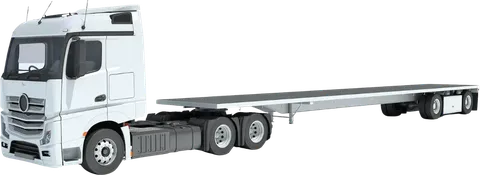
| Per trip | Transport and haulage work | Waiting time and difficult sites not mentioned |
Keep the steps clean: each longer period is an explainable step down from the shorter one, never an arbitrary number. Rates may also differ by season, urgency or site difficulty. That is fair, but say the reason plainly in the quote, because a rate the customer cannot explain looks like a guess.
How do you decide between a lower rate and a better package?
Use this rule: lower the rate only when it stays above your cost floor and buys you something in return. If it does not, change the package, not the number.
A discount is a trade. Good trades are a longer hire, regular repeat work, or a gap that would otherwise sit idle between two jobs. A rare gap-filling job may be priced below it only if it still covers the costs you pay because of that job (operator, fuel, transport, wear), you do it knowingly, and it does not become the rate you quote the next customer.
Quotes on Maedah are sealed: suppliers cannot see each other's prices. The customer sees all quotes side by side, comparing price with what is included, response time and rating, and a best-value quote is marked. So what you include and how quickly you reply count alongside the number.
A quick test before you cut:
- Does the new rate stay above your floor? For a deliberate gap-filler, does it at least cover the costs this job causes?
- Would a clearer package answer the customer's real worry?
- Is this a one-off job or the start of regular work?
- Would you be happy to quote this rate to the next customer?
If the answer to question 1 is no and it is not a deliberate gap-filler, do not cut. Change the package instead.
Watch out. Compete on your own offer. Do not look for ways to see competitors' sealed quotes, and do not agree prices with other suppliers.
Five ways to win without cutting the headline rate
- Reply quickly and ask the key questions. A fast answer that asks the right questions shows you are organised. See how to respond to rental requests for what to ask and how to write the reply.
- Make the listing accurate. Show real photos of the actual machine, correct specifications and in-date certificates, so doubts are answered before the customer asks. How to get rental enquiries as an equipment owner shows what to check.
- Offer flexible start dates. If the machine can start a day earlier or later, say so. Flexibility has real value to a site manager.
- Give a clear delivery and return plan. Explain who delivers, who loads, and how the machine comes back. A site with no surprises is worth more than a small saving.
- Be explicit about what is excluded. State whether an operator is supplied and who provides fuel. Then list the usual exclusions: fuel, operator overtime, waiting time, damage beyond fair wear, and delivery to difficult sites. A cheap quote with hidden extras leads to disputes and low ratings. For a full list, read what an equipment rental rate includes and leaves out.
When is it right to say no to a job?
Not every request is worth quoting. Decline politely when:
- the machine is wrong for the job, for example the capacity or reach will not fit the work
- you cannot reach the site safely
- the terms do not cover your costs, even after a fair adjustment
- the dates would leave you unable to serve a customer you already agreed with
A short, polite decline, with a reason, protects your reputation. Planning around busy periods also helps you choose; see planning machines around Ramadan and summer schedules.
How to do this on Maedah
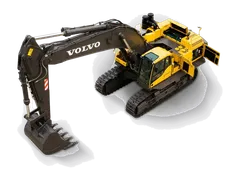
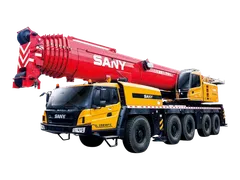
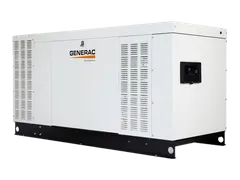
List each machine in its category, for example excavators, cranes or generators, with true photos, specifications, certificates and your daily, weekly and monthly rates. Set your categories and cities, so matching requests reach you as opportunities, and see what customers ask for in the request form. Answer with a sealed quote that states what is included, the operator and fuel arrangement, and any exclusions. Maedah does not process payments: price and payment are agreed with the customer.