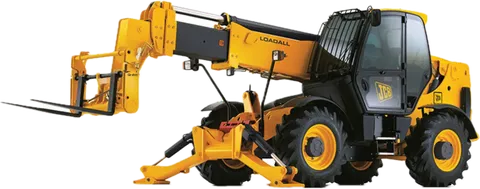
This guide is for owners and fleet managers who have an excavator, loader, crane or similar machine and want to sell used heavy equipment to a serious buyer. Buyers tend to ask the same questions in a similar order. The guide follows the sale in that order, from the first decision to the day the keys change hands, and puts those questions in one table.
Is it the right time to sell, keep or rent out?
Do not list a machine just because it is idle. Compare three numbers from your own books.
- What the machine earns on rent after costs: operator, fuel, servicing, transport, insurance and idle days.
- What you would get if you sold it now.
- What a replacement would cost you.
If rent after costs is steady and replacement is expensive, keeping it may win. If it is mostly idle, or a big repair is close, selling may make more sense. For the buyer's side, see renting versus buying equipment.
How do you prepare to sell used heavy equipment?
- Prove it is yours to sell. Have the ownership or registration papers ready and in the seller's name.
- Clear any finance or lien. If a bank or lender has a claim on the machine, settle it, or agree with them in writing how it will be cleared at the sale, before listing.
- Collect the records. Service and maintenance history, inspection certificates with their expiry dates, and the operator manual.
- List what comes with it. Buckets, forks, breakers, outrigger pads, keys, tool kit, spare parts. Write exactly what is included.
- Fix or disclose known faults. A small repair done before listing often costs less than a price cut forced by a buyer who finds the fault.
- Clean it. Wash the machine so leaks, cracks and wear are visible, not hidden.
Do this before the first photo. A buyer who asks for the registration or the last service record should not wait days for the answer.
Buyers work from a checklist such as how to check ownership of used heavy equipment. Read it as a seller and pass every point.
Watch out. Never hide a fault and never change what the hour meter shows. An inspector can often spot hours that do not match the wear and the service records, and a lie found on inspection ends the sale and damages your name.
What do buyers ask first?
Answer these in the listing and you save everyone a call.
| Buyer question | What to have ready |
|---|---|
| Is it yours to sell? | Ownership or registration papers in your name; finance cleared |
| How many hours has it worked? | Hour meter reading, and the service records that support it |
| How was it used? | Working history: type of work, sites, previous owners |
| What is worn? | Condition of undercarriage or tyres, bucket or forks, pins and bushings, hydraulics |
| Is it certified? | Inspection certificates with expiry dates |
| What is included? | A written list of attachments, keys, manuals and spares |
| Any known faults? | A short, honest list, with what you have already repaired |
Buyers weigh hours against age. Read how buyers compare hours and age and present your numbers the way they will read them.
How do you list it so serious buyers contact you?
A good listing answers the table above before anyone asks. Use the specs and documents guide for the details and the photo shot list for the pictures.
Start the title with make, model, year and machine type. File it under the right category, such as excavators, loaders or cranes, because buyers browse by category. Then follow these rules in the description:
- State the hours as read from the meter, and the date you read them.
- Name what is included, from your written list.
- Say where and when the machine can be seen.
- Answer the seven questions in the table above, in plain sentences.
- Show wear parts in the photos: tracks or tyres, bucket or forks, pins, and any leak or crack you disclose.
How do you handle viewings, test runs and inspections?
Serious buyers often bring an inspector or a mechanic.
- Run the machine yourself first, with a competent operator, a day or more before the viewing. Work every function, listen and look, so you know every result before the buyer does. Then leave it to cool overnight.
- Let the buyer see a cold start. An engine that starts easily when warm can hide problems when cold. Do not start it before the buyer arrives.
- Let them see every function work. Travel, swing, lift, dig, tilt, steering, brakes and attachments, operated by a competent operator authorised for that machine type.
- Let them check the wear parts. Isolate and secure the machine before anyone goes near tracks, booms or attachments.
- Keep the papers on the table. Show records and certificates without being asked.
Note. In the Saudi summer, early morning suits a viewing: the engine is truly cold, and heat is easier on people and on the machine. Choose a safe, level place with room to move and keep bystanders clear of the work area.
Watch out. If the machine is a crane, a lifting test needs a lift plan, a competent, authorised operator and the manufacturer's load chart. Never lift a load just to impress a buyer, and never test beyond the rated capacity.
How do you price it and agree the terms?
Set the price before the first call, not during it.
- Base the asking price on comparable listings of the same make, model, year, hours and condition, not on what you paid.
- Decide your lowest acceptable price before you talk to anyone.
- Answer a low offer by pointing to the condition and the records. Move on price only for reasons you can show, such as a fault the inspector found or a missing attachment.
Negotiation is easier when facts are already agreed. Once you settle the price, put these in writing, even if the buyer is a friend of a friend.
- The price and the currency, and whether VAT applies. Confirm that with your accountant or ZATCA.
- What is included, from your written list.
- The condition as inspected, including any faults you disclosed.
- The handover date and the place.
- The payment method and timing.
Maedah does not process payments. Price and payment are agreed and settled between buyer and seller, so write down who pays what, when and how, before you promise a date.
Be careful if a buyer wants to skip the inspection or rushes you. They may dispute the condition afterwards, or they may not intend to pay. Do not release the machine until payment is confirmed.
How do you hand over safely and close the sale?
On the agreed day, do things in this order.
- Confirm the money has actually reached your account. A screenshot or transfer receipt is not payment.
- Hand over keys, documents and attachments against that payment.
- Complete the ownership transfer or registration procedure that applies to that type of machine, if any. Requirements differ by machine type and may differ by authority, so confirm the procedure before the day.
- Walk round the machine with the buyer and note the hour meter reading and the condition.
- Sign a handover record that both sides keep.
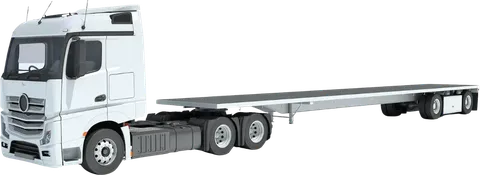
If the machine goes by trailer, agree who arranges and pays for it and who is responsible during loading. Use a competent operator and driver.
How to do this on Maedah
On Maedah you list the machine with photos, specs, certificates and a sale price, in the right category and city, and buyers contact you. Fill every field, using the table above as your checklist, then agree the terms with the buyer you choose and settle payment between yourselves. If you are also looking for a replacement machine, you can post a request and compare quotes.