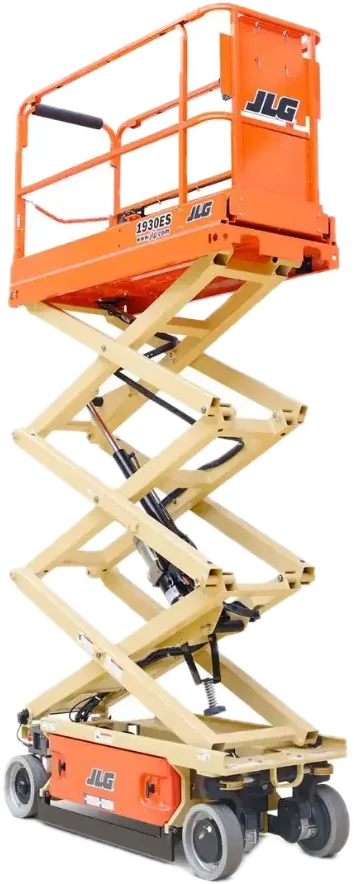
Scissor Lift vs Man Lift: Which Do You Need?
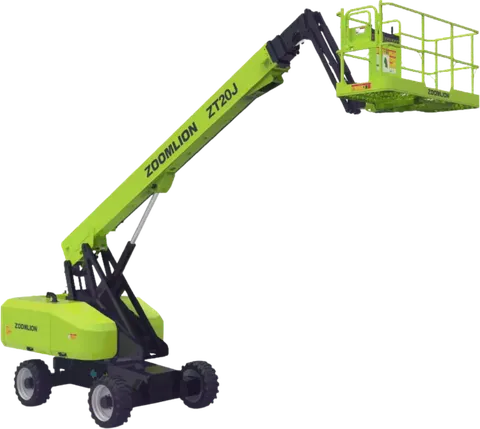
Ask whether your work point is directly above a place the machine can stand. If yes, a scissor lift. If you must reach over something, a boom lift. If access is tight, a spider lift.
Plain-language guides for contractors, site teams and equipment owners, from choosing the right machine to comparing the quotes you receive.

Ask whether your work point is directly above a place the machine can stand. If yes, a scissor lift. If you must reach over something, a boom lift. If access is tight, a spider lift.
Choose by five things and write them in your request: work height, platform load and size, floor or ground, electric or engine power, and the route to the work area.
Choose frame scaffold for straight, repeated facades, tube and coupler for complex shapes, and cuplock when you need rigid, modular scaffold in between.
Look at a scaffold from the ground up before you climb: base, frame, platform, edges, access and load. Any doubt means stop and call the scaffolder.
Choose formwork by how often the same shape repeats, whether a crane is on site and how fast the cycle must be. Then have the props designed for the real load.
Do a walk-around and a function test before the platform leaves the ground, then work inside the limits in the manual and site rules. A defect means tag out.
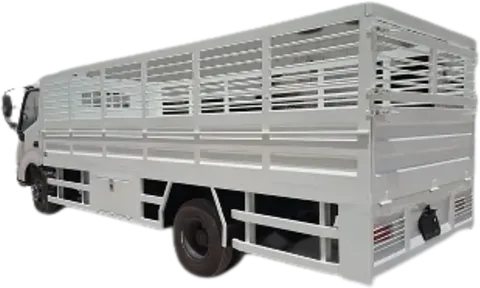
Group vehicles by what they carry: machines, bulk material, liquids, or people and small loads. Then check payload before you ask for quotes.
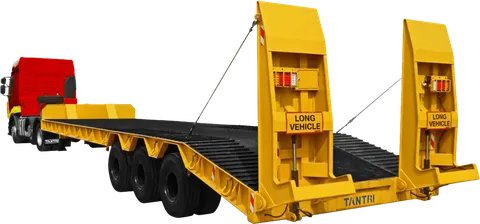
Weight, loaded height and deck size choose the trailer. A flatbed suits light, low machines, a lowbed suits tall or heavy ones, and a modular trailer suits very heavy or very long loads.
Confirm the machine's travel size and the route first, then prepare the ground, the machine and the lashing in that order. Each line says why it matters.
Rigid dump trucks suit roads and prepared haul routes, articulated trucks suit soft or uneven ground, and mining haulers stay on quarry and mine roads.
Start from what the water is for, not the tanker size. Then settle quality, outlet, filling point and site access so the truck does not make a wasted trip.
Book a vacuum truck by telling the supplier what is in the tank, where the cover is, how far the hose must reach and where the truck can stand.
Split the move into seven legs, name one owner for each in writing, and settle the vehicle, permits and site readiness before the cargo is released.
A pour is a chain of machines: make, carry, place, compact, finish and cut. Plan it as one sequence, because concrete starts to stiffen the moment it is batched.
Choose a boom pump when the truck can stand close and reach every pour point. Choose a line pump when access is tight, the pour is small or the run is long.
Work out the volume, give the supplier every detail, space the trucks to your placing rate, and check access, crew and vibrators the day before.
A road is built in a fixed order: earthworks, subgrade, base, bitumen coat, asphalt, then marking. Each stage has its own machines and a check before the next begins.
Start from the soil and the work area. Use a plate compactor for sand and gravel, a rammer for trenches and clay, and a roller for large areas and road layers.
Fence and gate the plot first, then place cabins and storage, connect power and water, and bring the production machines last. Settle one question at each step.
Choose a portable cabin when people will work or rest inside, and a container when you need strong, lockable storage. A modified container can do both, but it is a different product.
Pick the tool by material and task: a rotary hammer for concrete, a breaker for demolition, an angle grinder with the right disc, and a welder your power supply can run.
Choose a dewatering pump from three numbers: the flow you need, the total head and what is in the water. Then set up the sump, hose and power correctly.
Core drill round holes, saw straight edges and break only what is irregular or heavy. Scan for steel and services and get the engineer's approval first.
Check the ground, the outside, the fluids and then the cab in the same order every shift. Sort each defect as stop, report today or note for service.