Cranes & Lifting
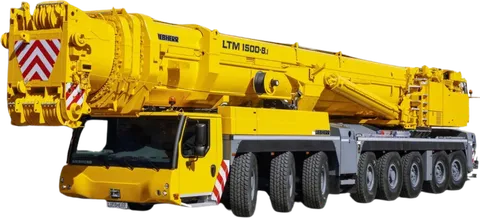
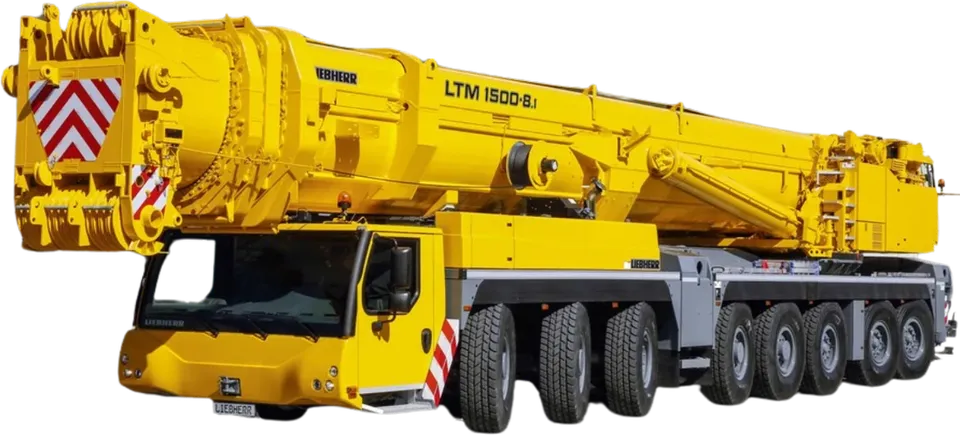
How to Rent a Mobile Crane in Saudi Arabia: 6 Steps
Six steps from lift data to a booked crane: ask every supplier to quote the same scope, then compare capacity at your radius, crew, certificates and hire terms.
Plain-language guides for contractors, site teams and equipment owners, from choosing the right machine to comparing the quotes you receive.
Six steps from lift data to a booked crane: ask every supplier to quote the same scope, then compare capacity at your radius, crew, certificates and hire terms.
Choose by the job: excavators dig, loaders load, bulldozers push and spread, and trucks haul. Each machine has one weakness, and that decides the choice.
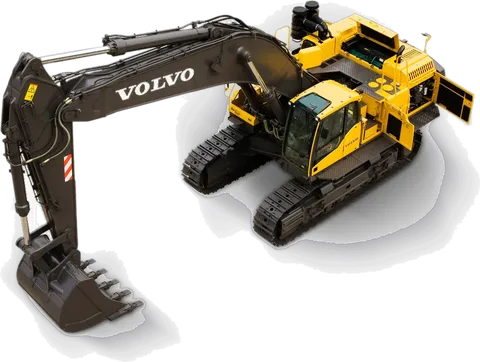
Choose the excavator from the job, not from the tonnes: depth and reach, truck loading, lifting, access, space, ground and transport decide the size class.
Hire a mini excavator for precise digging in tight or soft ground. Hire a backhoe loader (JCB) when one machine must dig, load, carry and move between sites.
Hire a skid steer (bobcat) for tight space and attachments, and a wheel loader (shovel) for loading trucks from a stockpile. Check the bucket load against the rated capacity first.
Choose the bucket, breaker or auger by the job, then confirm the coupler, hydraulic supply and weight with the supplier before the machine is hired.
Match the method to the rock, the volume and what is nearby. Ripping suits weak rock, a breaker suits precise work, and drilling prepares rock for splitting or blasting.
Bored, CFA and driven piles use different rigs and suit different ground. Engineers choose the pile; you check the site can take the rig and every quote covers the same pile.
Before you hire a drilling rig, confirm the permission, prepare the access and working area, and get the driller to explain method, casing, testing and dry-hole terms in writing.
Add the kW of the loads that run together, divide by 0.8 to get kVA, check the largest motor start, then add headroom. The supplier confirms the final set.
The same generator set carries a higher kVA number as standby than as prime. Compare quotes only on the same rating, then compare the kVA.
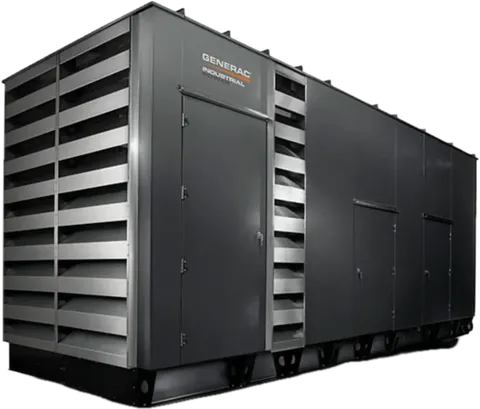
Choose a silent (canopy) generator when people live or work close by or the set stands outdoors in dust and rain. An open set suits remote, supervised, sheltered sites.
Divide the usable tank volume by the set's consumption at your real load, then choose a built-in tank, an extra tank or a tanker and refuel with a reserve left.
You need an ATS when a generator must take over from mains with nobody at the switch. Consider paralleling when one set is too small, or you need a spare if one fails.
Know your load, supply type and running hours first. Then make every supplier state the rating, fuel, service and connection terms, so quotes match.
Plan tower lights from the layout, not the catalogue: mark the work zones and danger spots, light each from two directions, then choose lamps, power and runtime.
Read each tool's air use and pressure from its data plate, add up the tools that run together, add a margin, then match the total to the compressor's delivered air.
Choose by three things: what you move, what surface you move it on, and how high it must go. The type name comes after those answers.
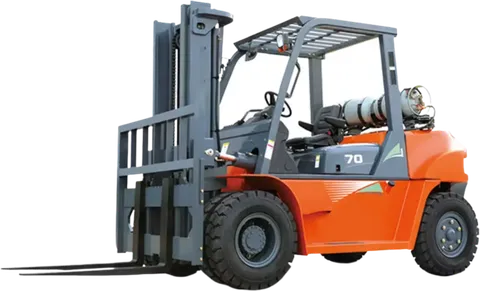
A forklift's rated capacity holds only at one load centre and up to one lift height. Measure your load's centre, then ask the supplier for the reduced figure.
Match the power type to the worst place the truck works and the shifts it runs, then order its support: ventilation, a charging point, gas storage or fuel.
Choose a forklift for repeat pallet moves on firm ground. Choose a telehandler when the load must go up, forward or over an obstacle, and read its load chart first.
Measure the heaviest load, the lift height, the lowest doorway and the aisle width first, then write them into your request so every quote is for the same truck.
Check the forklift in walking order: outside, power source, seat, then a lift test. Tag out and report any truck with a safety defect.
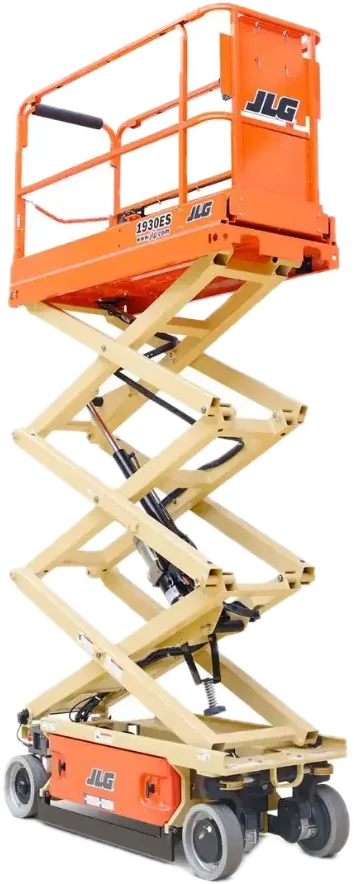
Choose work at height equipment from the job: how long it lasts, how many people work, how much material they need and where equipment can stand.
Browse equipment for rent and sale, or post one request and compare written quotes from suppliers.